|

DOCUMENTARY
ANNEX
TO ACCOMPANY
ARTICLE IN
THE JOURNAL
DIALECTICAL
ANTHROPOLOGY
DEC 2012
|
|
DOCUMENTARY
ANNEX
ON SANDINO'S ACQUISITION
OF ARMS NEAR PUERTO CABEZAS IN JANUARY 1927

|
|
 THIS IS THE HOMEPAGE
for over 2,300 digital
images of hitherto unpublished archival documents
relating to Nicaragua's East Coast region (or Atlantic
Coast, or Caribbean Coast) in the
time of the Sandino rebellion. The collection houses
materials from the following repositories:
THIS IS THE HOMEPAGE
for over 2,300 digital
images of hitherto unpublished archival documents
relating to Nicaragua's East Coast region (or Atlantic
Coast, or Caribbean Coast) in the
time of the Sandino rebellion. The collection houses
materials from the following repositories:
•
US NATIONAL ARCHIVES,
RECORDS OF THE US DEPT OF STATE (RG
84), THE US MARINES & GUARDIA
NACIONAL (RG127) & THE MILITARY
INTELLIGENCE DIVISION (RG 165)
•
MARINE CORPS RESEARCH CENTER,
QUANTICO VA
•
LIBRARY OF CONGRESS,
WASHINGTON D.C.
•
MORAVIAN CHURCH ARCHIVES,
BETHLEHEM, PA
•
PUBLIC RECORD OFFICE,
LONDON, UK
•
VIRGINIA MILITARY INSTITUTE,
LEXINGTON VA
•
TULANE UNIVERSITY,
NEW ORLEANS, LA
•
HEMEROTECA NACIONAL RUBÉN
DARÍO, MANAGUA
•
THE INSTITUTO DE ESTUDIO DE
SANDINISMO, LATER ABSORBED
BY THE IHNCA-UCA, MANAGUA
•
ALSO INCLUDED ARE
NEARLY 100 DIGITAL IMAGES OF
RELEVANT PUBLISHED MATERIALS, MANY
FROM SANDINO'S WRITINGS RELATING TO
THE COAST
•
WITH LINKS TO
HISTORICAL PHOTOGRAPHS OF SOME OF
THE EPISODES DESCRIBED HERE, HOUSED
IN
ATL-COCO
IN THE PHOTO PAGES
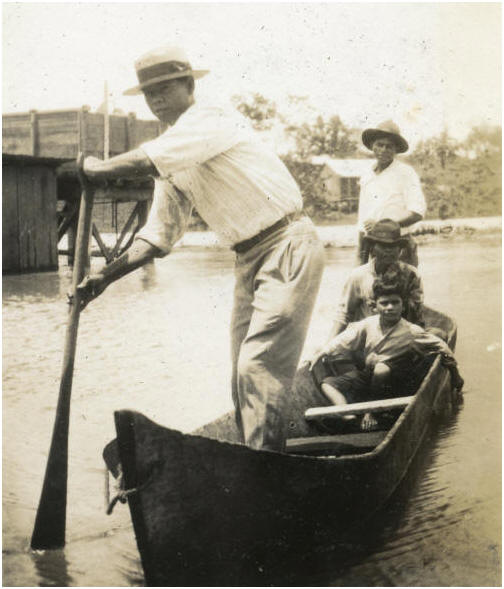
Photo above & this website's
symbol for these East Coast
pages: Boatmen in El Gallo,
Nicaragua, during the flood of 23-25
July 1928, from the photo album of
USMC Pfc. Fred Nelson, purchased on
eBay, collection of Michael J.
Schroeder
ORGANIZATION.
The collection,
organized chronologically, begins
immediately below and spans
53 webpages. At present, some
1,076
documents
are available in
2,311
JPEG images. Each
webpage also offers a critical
introduction to the documents it
houses. This collection is
intended in part as a documentary
annex to my article in the journal Dialectical Anthropology
(December 2012), "Cultural
Geographies of Grievance and War: Nicaragua’s Atlantic Coast Region in
the First Sandinista Revolution,
1926-1934." A second set of 14
webpages examining key topics &
themes is accessible
HERE
and on the sidebar to the left.
In other words, this is the homepage
to a collection of 67-plus webpages
on the East Coast region.
NAVIGATION.
To facilitate navigation, this East
Coast document collection is
organized into 12 chronological
sections, each covering a 6-month
period. Each of these 12
sections is subdivided into several
webpages (depending on the number of
documents), with up to 50 document
images per webpage. Each
individual document image is
thumbnailed and can be viewed as a
JPEG file. All 53 East Coast
webpages are accessible via the
navigation box at the top & bottom
of every East Coast webpage
(called "East Coast" in the masthead
because "Atlantic Coast" and
"Caribbean Coast" are too
long). Links to four historical maps
appear at the top of every
compilation of documents. Authors'
names are highlighted in
dark red,
and documents more than two pages
long are numbered with large red
letters.
ACKNOWLEDGEMENTS.
Many of the documents here
were photographed from photocopies
made by the late Dr. David
C. Brooks on his visits to
these various repositories. I
am deeply indebted to David for many
things, including
generously sharing his collection of
Atlantic Coast materials. A good
number of others were dug out of the
archives and digitally prepared for
publication here by Pleet
Grant-funded Lebanon Valley College
student researchers Melissa Zellner
& Nicholas Quadrini, who I thank for
their excellent work. Many thanks
are also due to Arnold Grant-funded
Lebanon Valley College student
researchers Callan D. Wendell,
Morgan A. Hartmoyer,
Lindsay
Griendling, and Laura Cramer for
their excellent work transcribing
documents, and Zak Knecht
for his
help with the maps. The
Pleet
Initiative for Student-Faculty
Collaboration, the Arnold Grant for
Experiential Education, and the
Dick
Joyce Endowment of Lebanon Valley
College provided much-needed
assistance for the development of
these East Coast pages. This project
is also indebted to my friend
Linda
M. Kinney for all her assistance
with this project & these pages,
including many transcriptions &
helpful suggestions.
A special
thanks also goes out to Mr. Richard
Siu, originally from Bluefields, who
stumbled into this website and
generously offered to help
transcribe documents; hundreds of his
transcriptions grace these pages.
In Richard's words, "I am deeply
indebted to the Moravian
Missionaries who gave so much to the
East Coast, to myself, and to
countless generations of Moravian &
other youths who have become
professionals in such fields as
business, education, medicine,
nursing, economy, politics, and
agriculture, and who now are
returning many benefits to Nicaragua
both at home and abroad." Thank
you, Richard Siu!
|
REFERENCES & CITATIONS
In
the likely event
that new documents are
discovered and added to this
collection, the specific
location and URL of
individual documents might
change. The best way
to cite these East Coast
Docs is thus not by specific
location or URL but
by date, author, and document image
number if needed, e.g.:
EAST-Docs
30.02.04 Linscott, p. 2
refers to the second image
for the East Coast
document of Feb. 4, 1930,
authored by Guardia Capt.
H. D. Linscott, which can be
found via the navigation box
for the first half of 1930 (chronological section no.
6, in shorthand 1930A).
NB: Because
two or more pages were
sometimes put together to
make a single photocopy in
order to save money in the
archives, the referenced
page number might not
correspond to the page
number of the original
document.
ARCHIVAL CITATIONS:
The archival citation is
usually part of the digital
image, either written on the
digitized photocopy, or
photographed on a little
card next to the document;
when it is not, the full
citation can be found in the
notes accompanying the
document image.
|
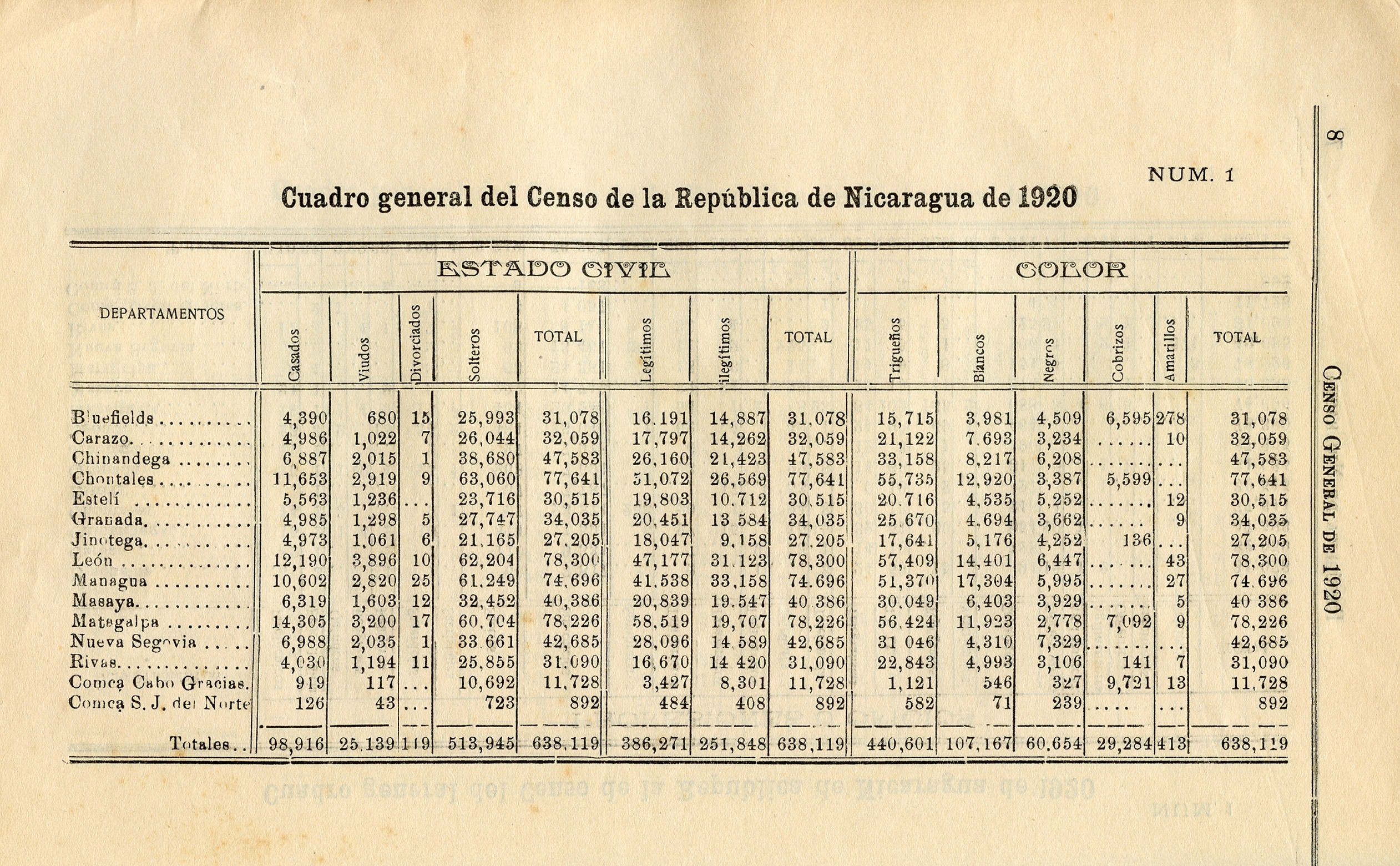
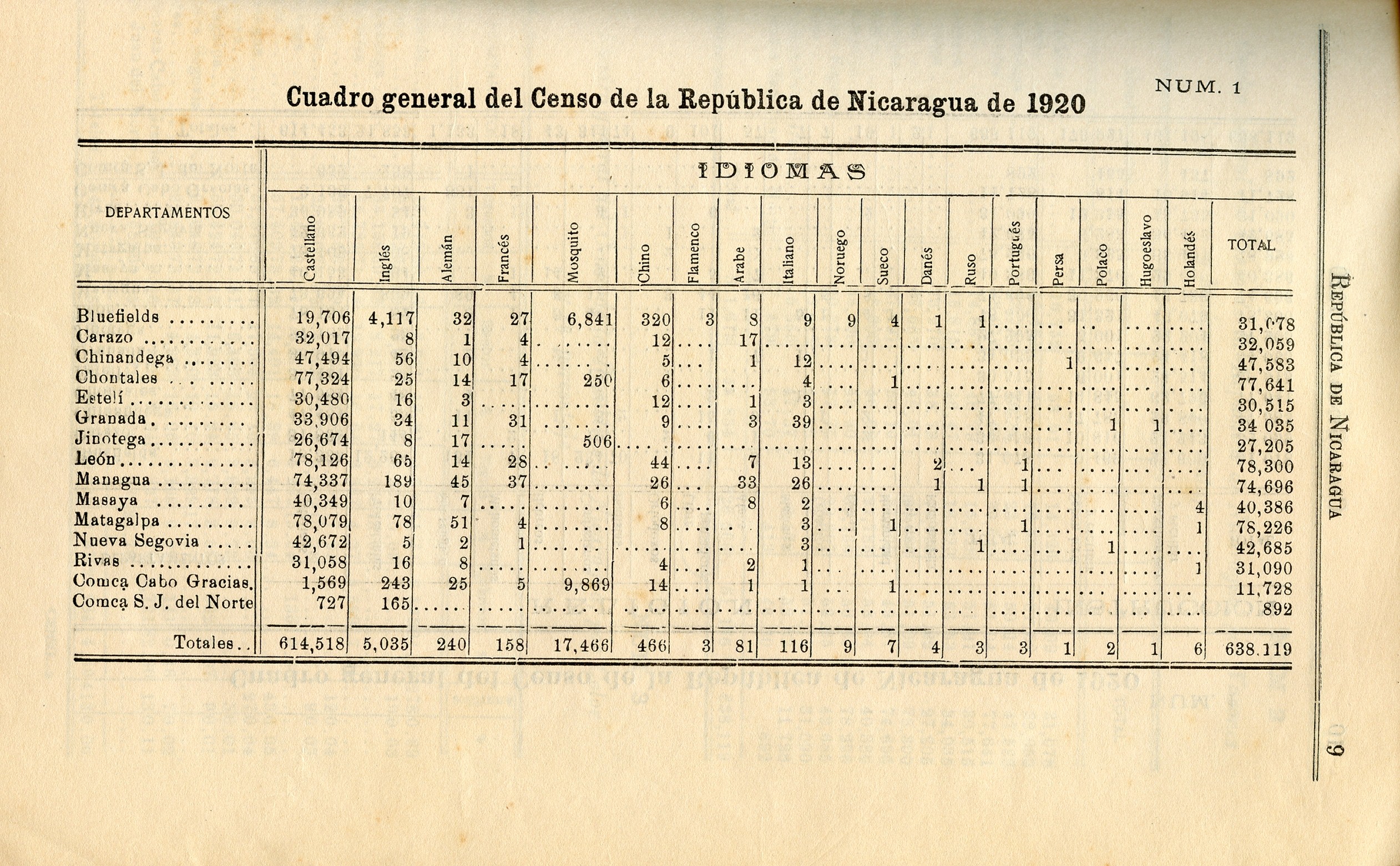
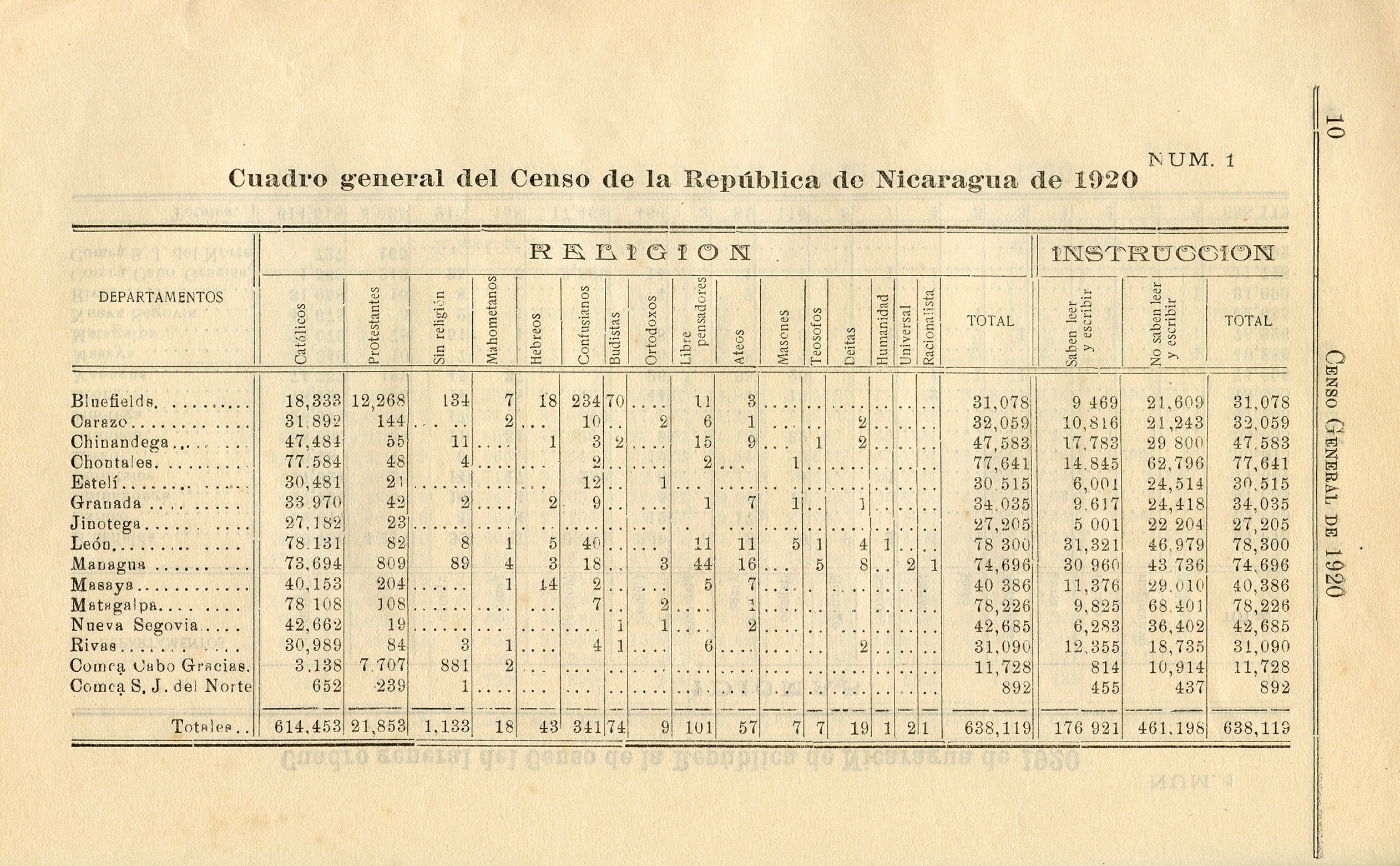
CRITICAL INTRODUCTION TO PAGE 1
The
collection begins
with the
relevant sections of the 1920 census
– the first state-directed census in
modern Nicaraguan history – which
despite its shortcomings offers a
very useful sketch of the
demographic makeup of the Coast. Not
included here are the State Dept
records documenting the formation of
Bragmans Bluff Lumber Company in
Puerto Cabezas from 1923, or any of
the consular reports from the East
Coast in the first half of the
1920s. The report of Bragmans’
auditor (July 8, 1925) provides much
data and an insider’s perspective on
diverse aspects of the company’s
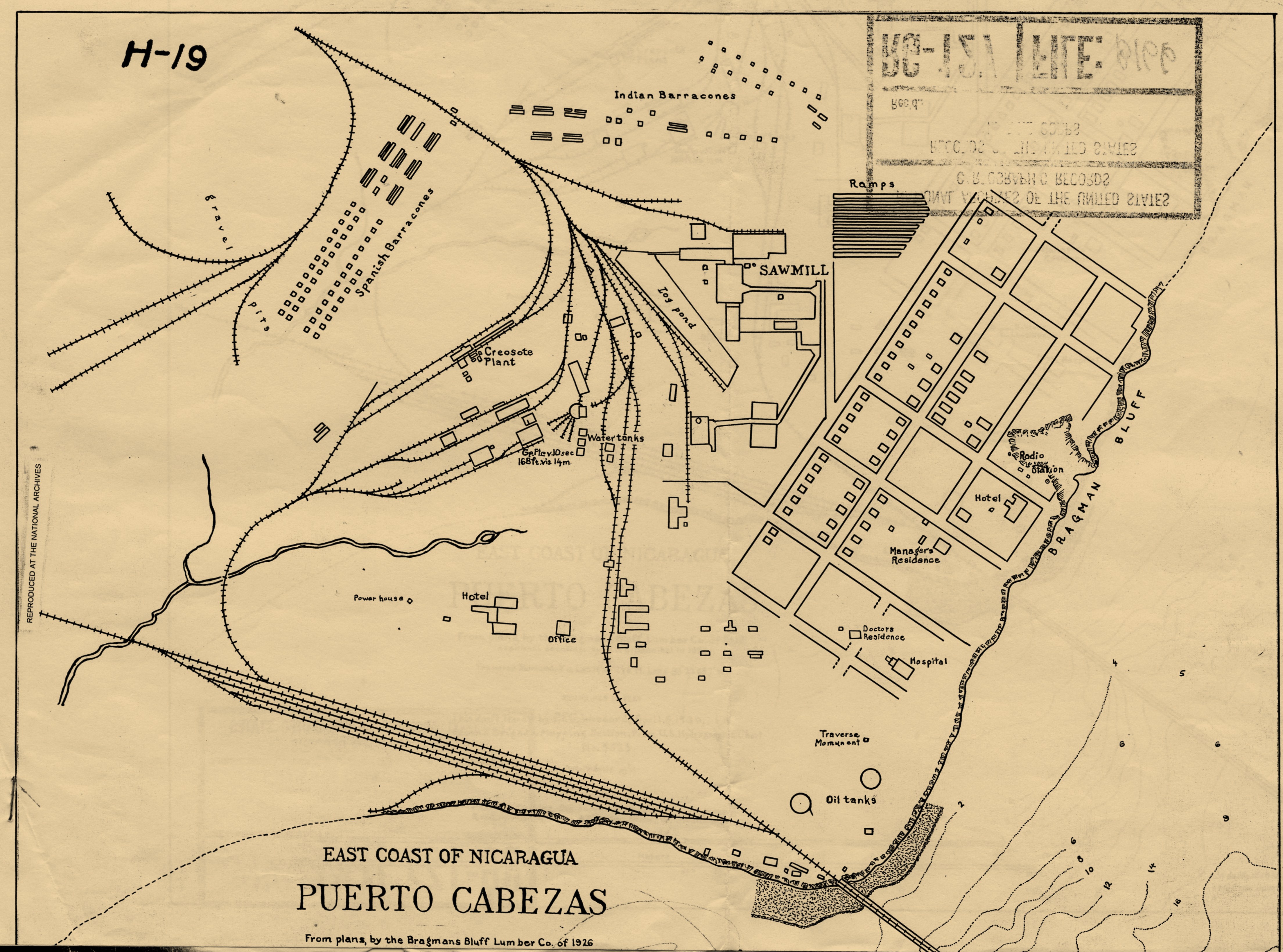
operations in Puerto Cabezas. Complementing his report is the 1926
Bragmans Bluff map of the company
town, a fascinating text that
clearly depicts the company’s
efforts to deepen racial-ethnic
divisions by inscribing the
Indian-Spanish divide in the
organization of company space. The
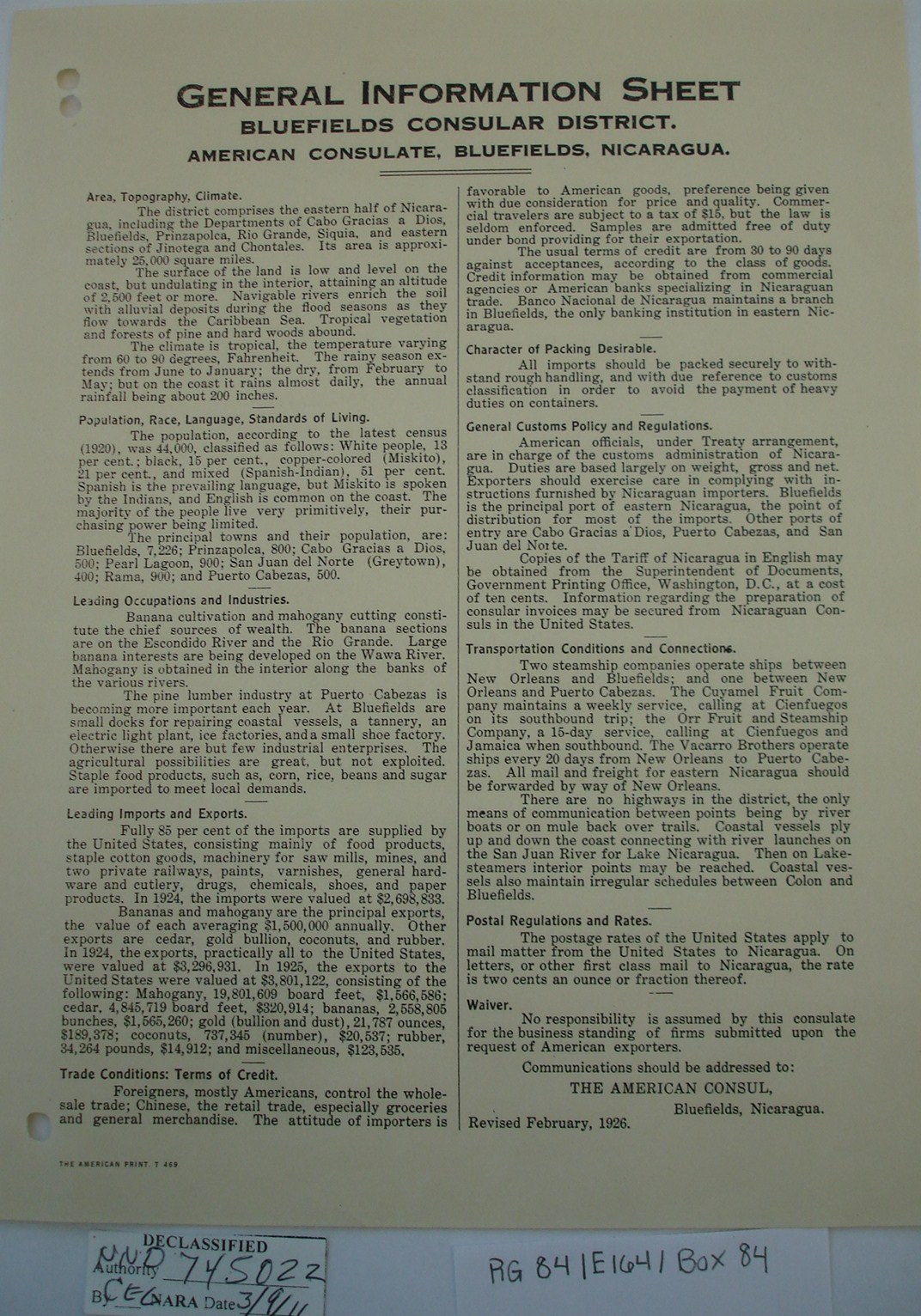
Bluefields Consular District’s
“General Information Sheet” offers
useful basic information on the
Coast (Feb. 1, 1926).
Conservative President Emiliano Chamorro’s coup d’etat
(lomazo) of 25 October 1925
set in motion
a chain of events that led to
1926-1927 Civil War between Liberals
& Conservatives. The dramatic events
of May 1926, with the Liberal
assault on Bluefields and their
tactical defeat by US-supported
Conservative forces later in the
month, are described in US Consul
McConnico’s telegrams of 6, 13, 26 &
29 May. Also meriting close
attention are the letters between
Bluefields Creole activist Anna
Crowdell and Dr. Oliver Thomas, for
the sense they convey of the
political discourse that fueled the
Liberal revolution. No less
revealing are the other letters,
depositions & papers of Costeños
that ended up in the archives & are
presented here for the windows they
provide on this pivotal period in
Nicaraguan history.
The page closes at the end of November 1926,
when no one knows which side will
prevail in this unfolding struggle
between Liberals & Conservatives, or
what unintended & unforeseen
consquences that struggle will
engender.
|
|
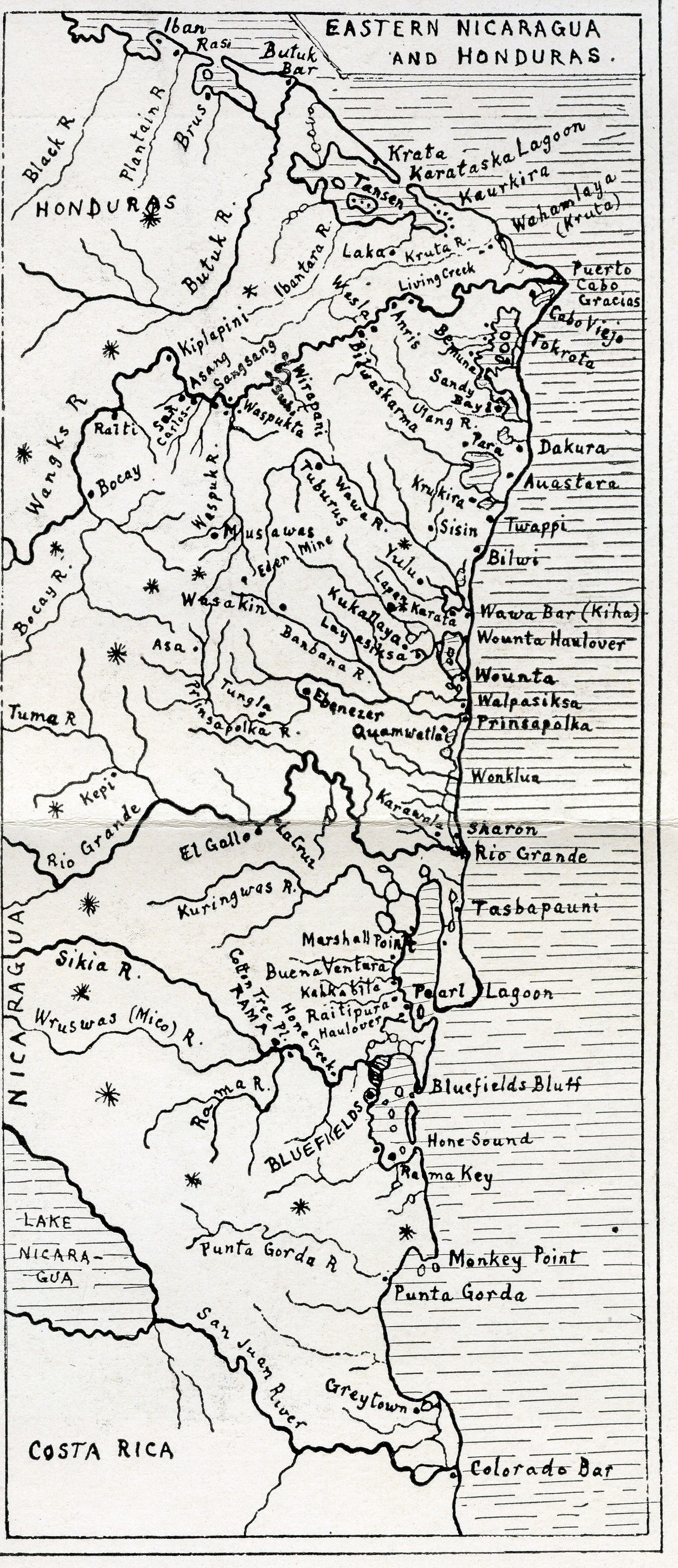
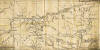
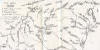
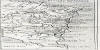
PERIOD MAPS
|
|
1894 mosquito
shore
27 MB,
library of congress
|
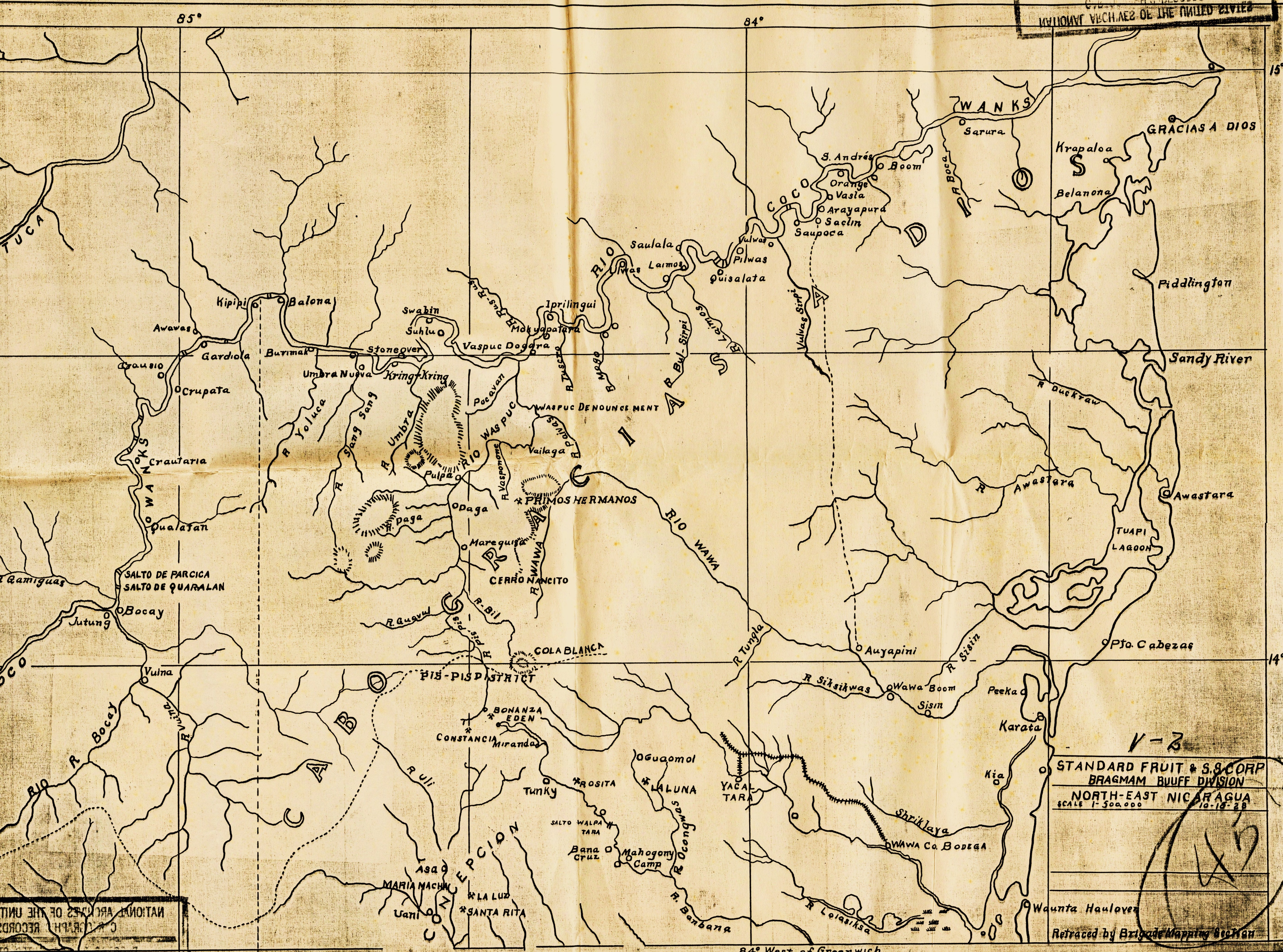
1920s
Standard Fruit
6.5 mb,
US National archives
|
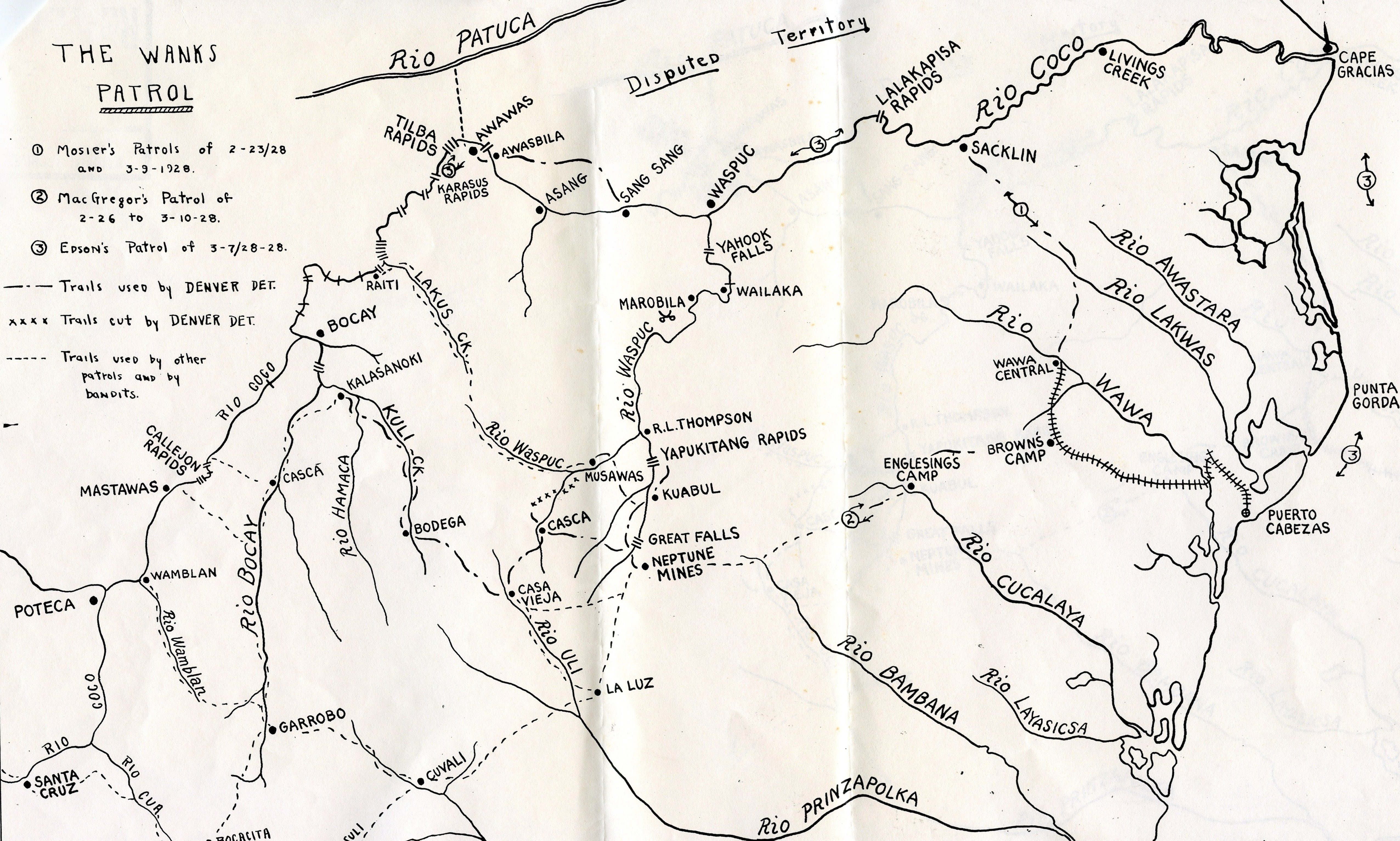
1928 Rio wanks
Patrol
3 mb, us
national archives
|
1931 Moravian
2.4 mb,
comenius press
|
|
|
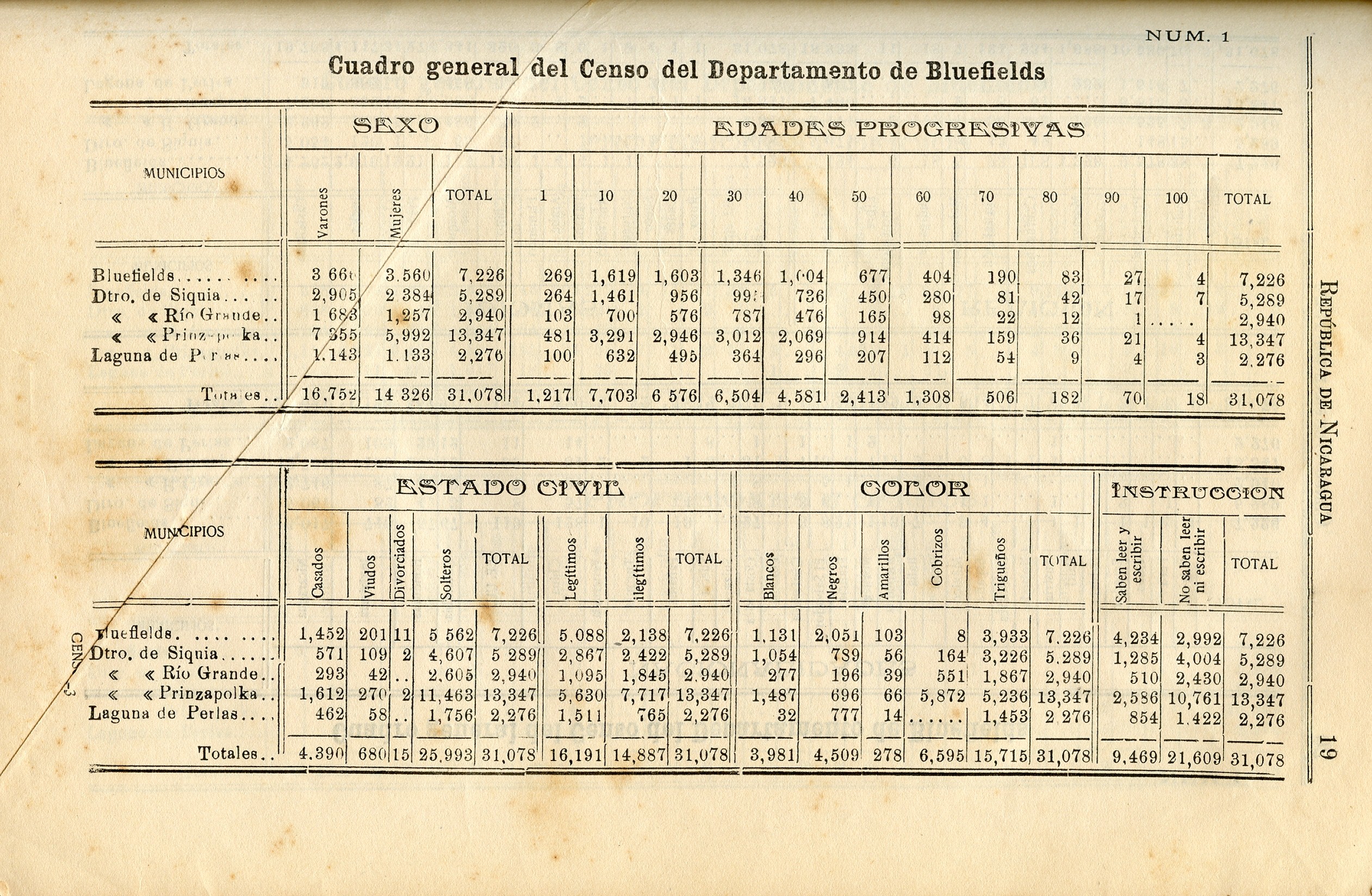
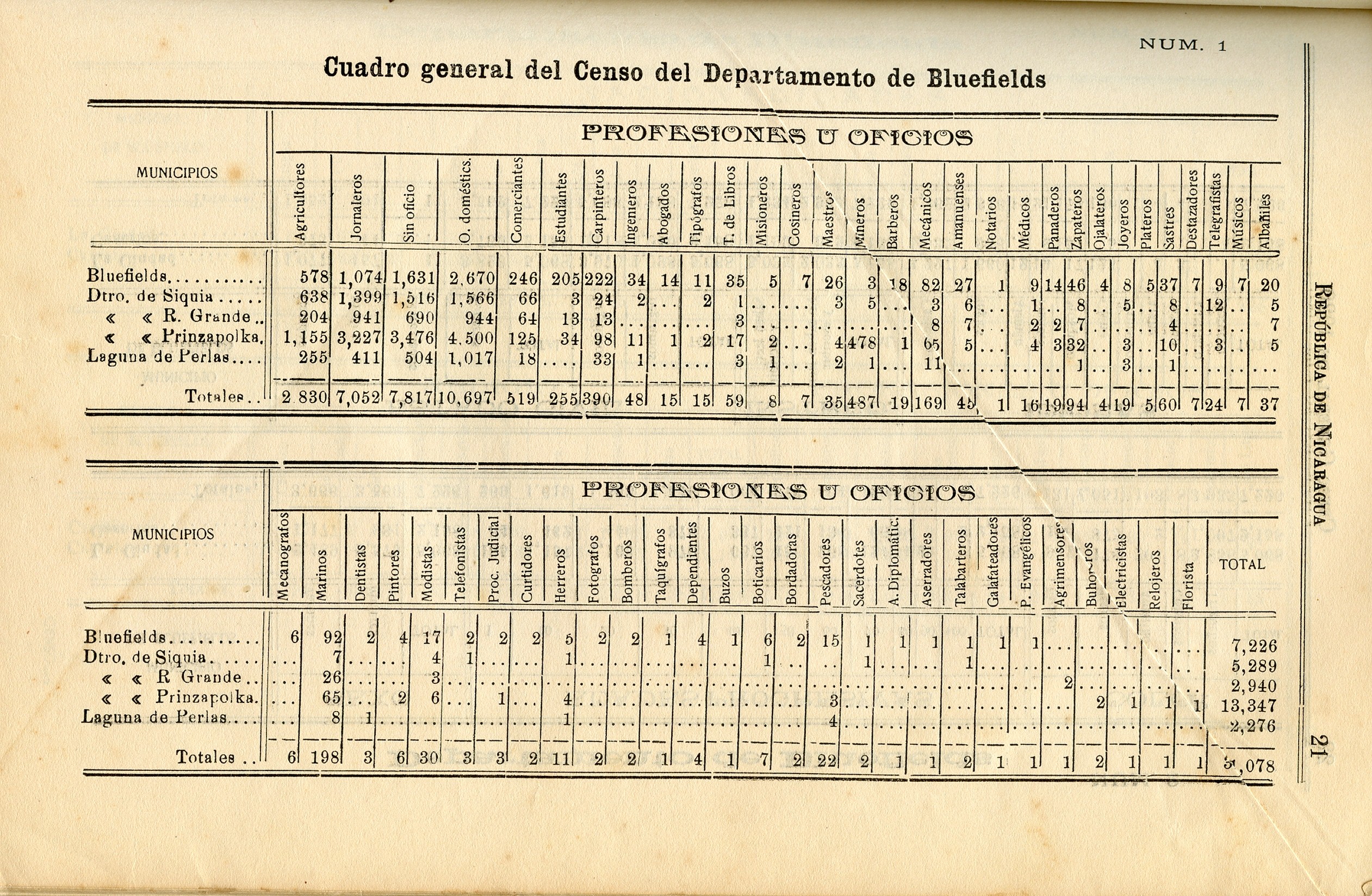
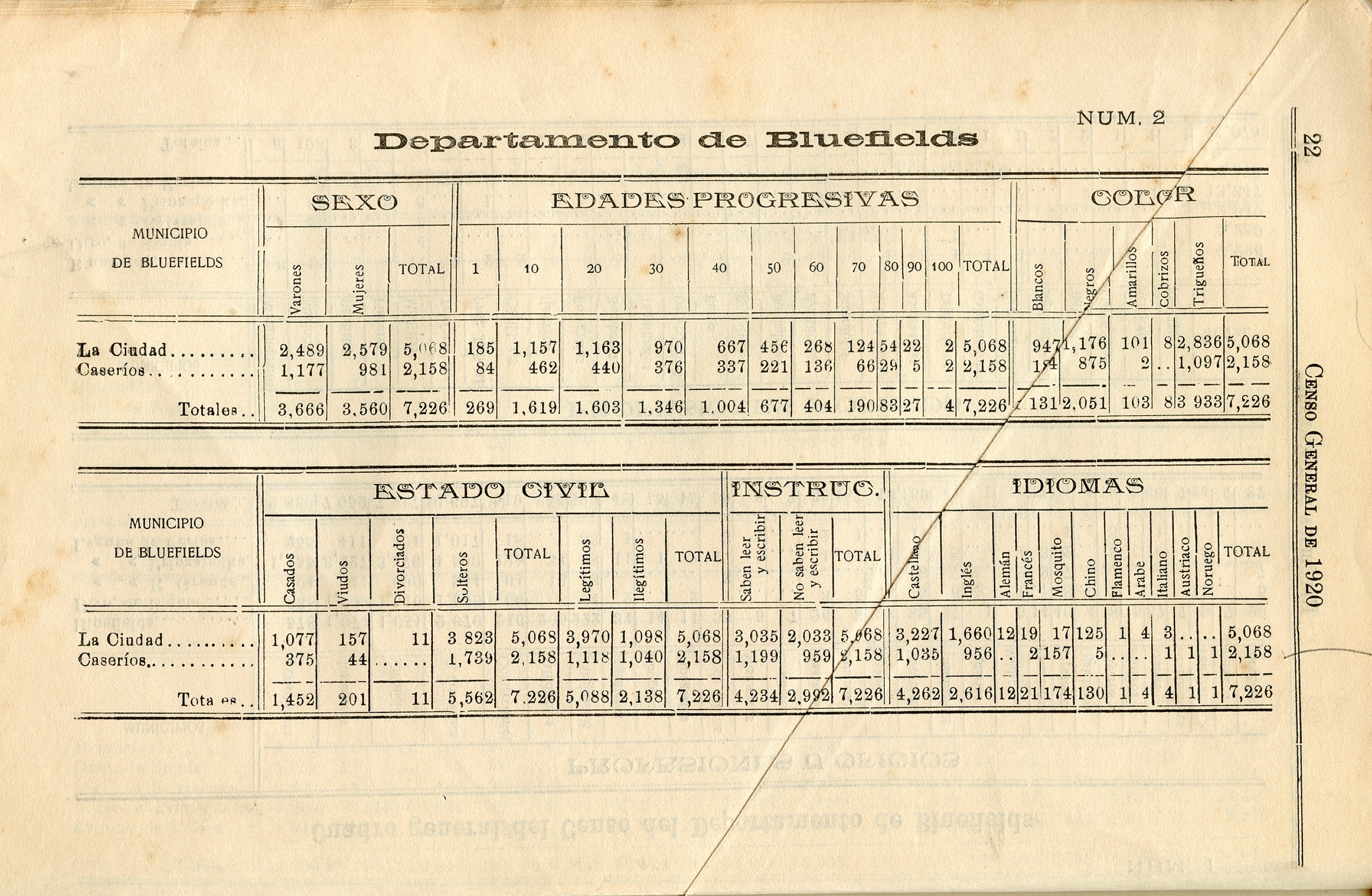
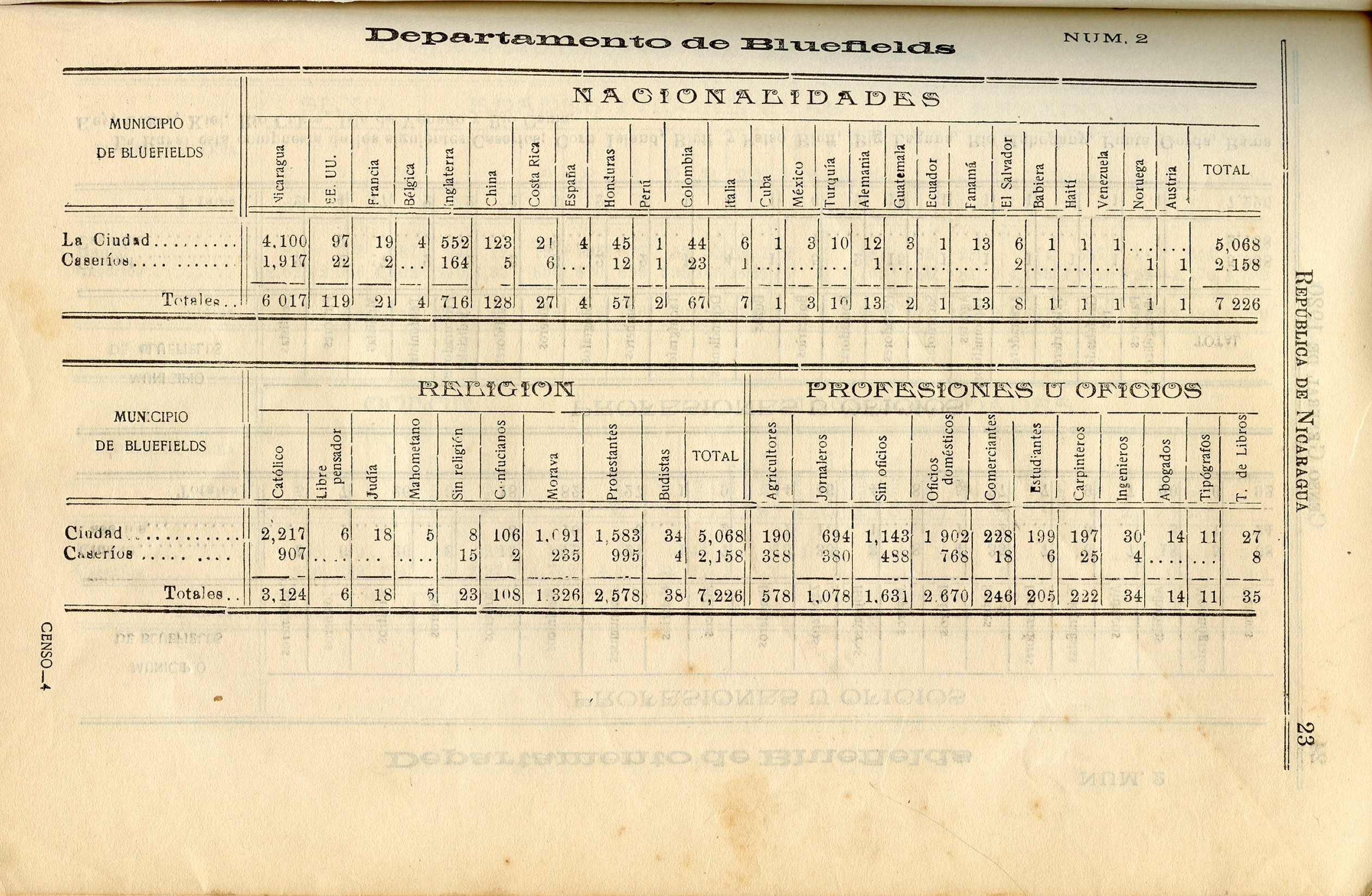
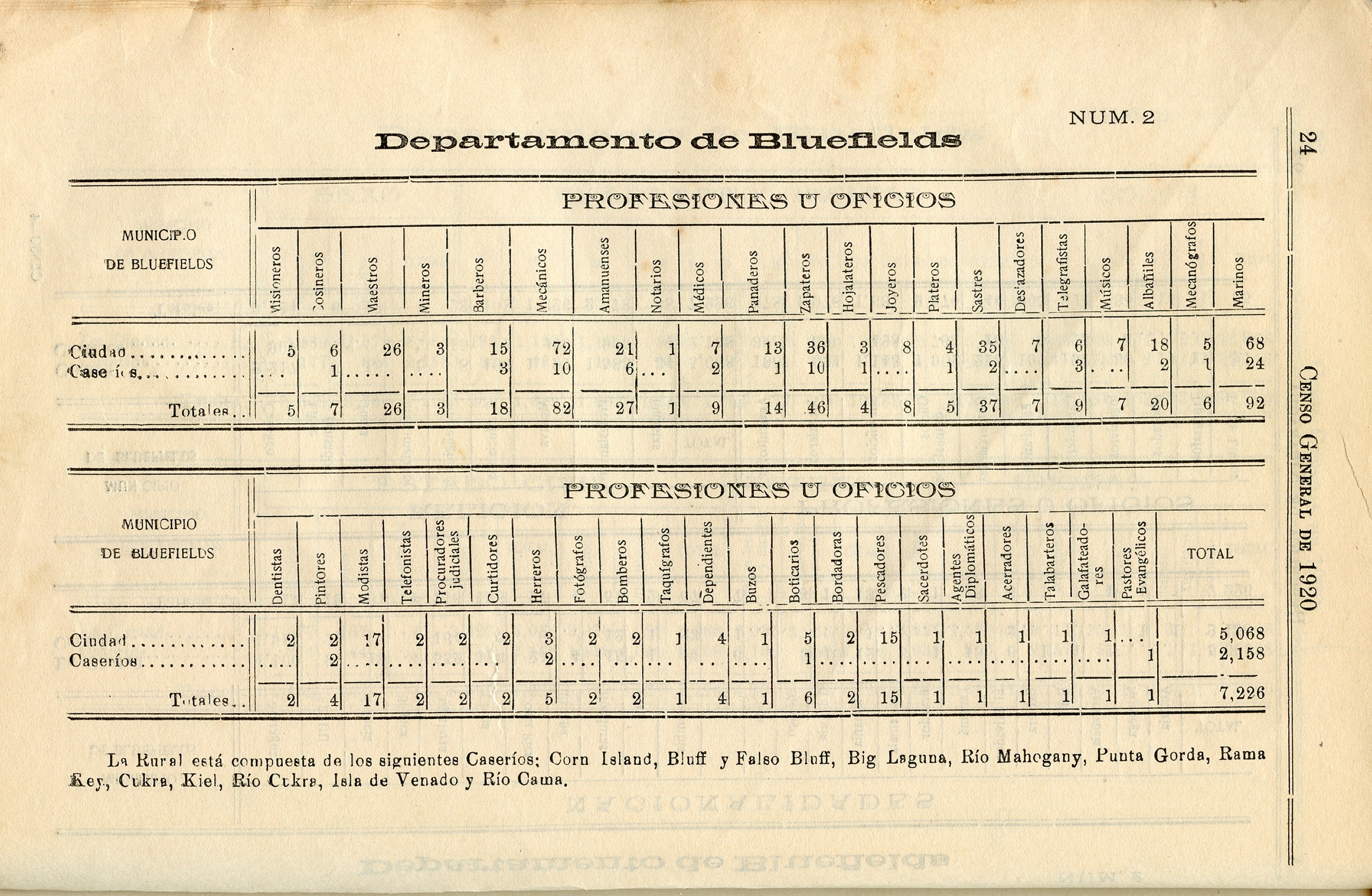
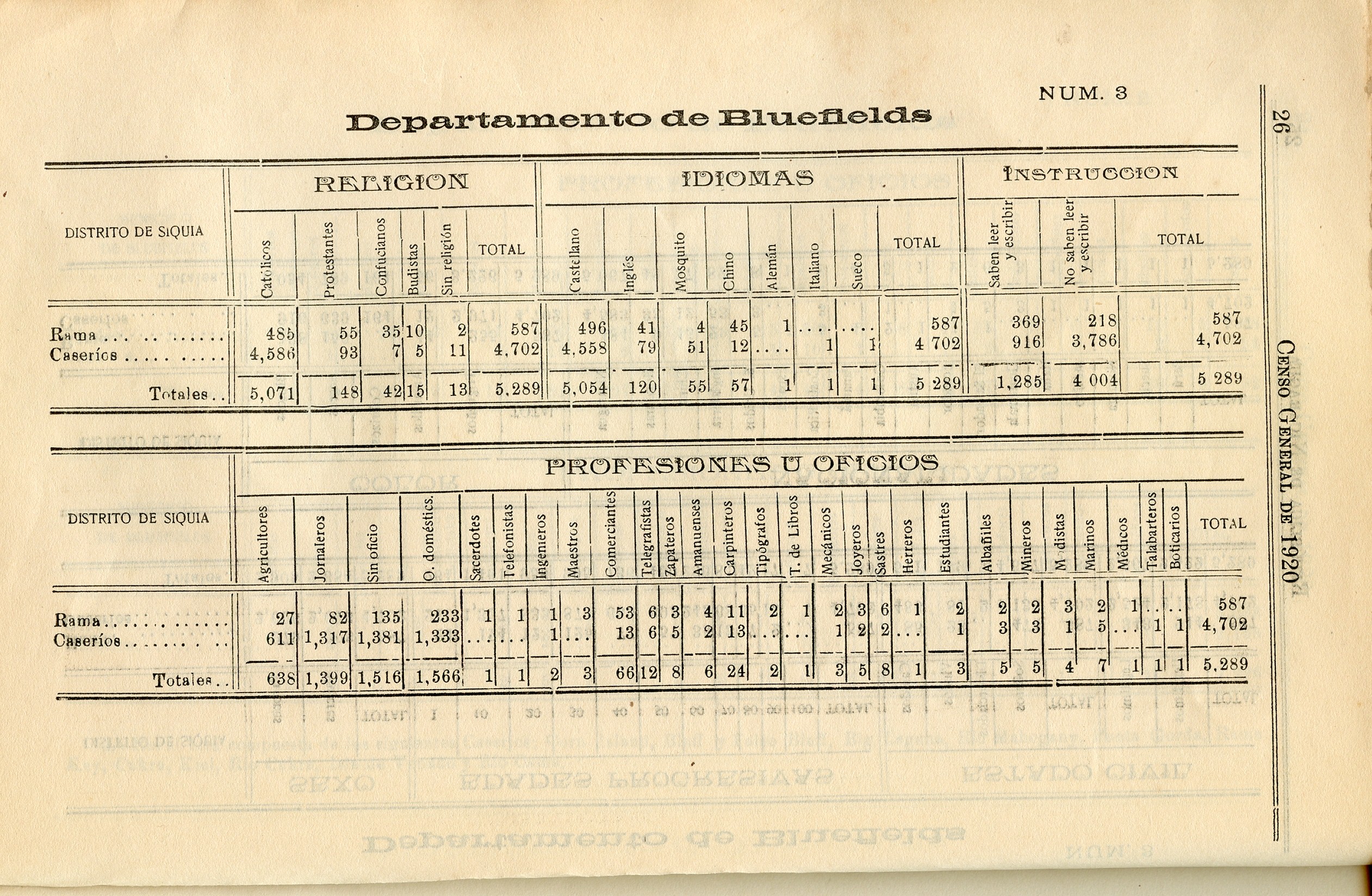
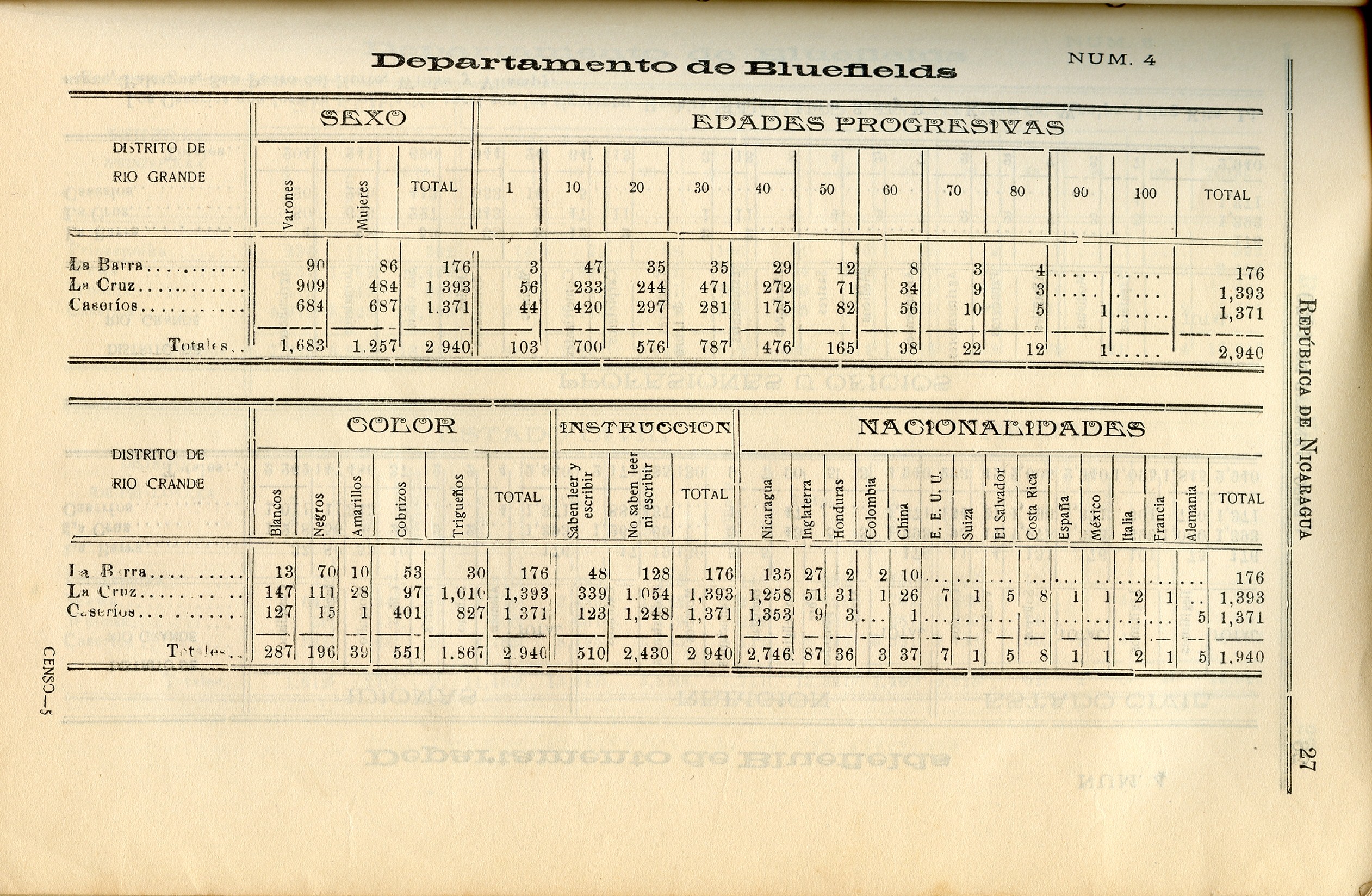
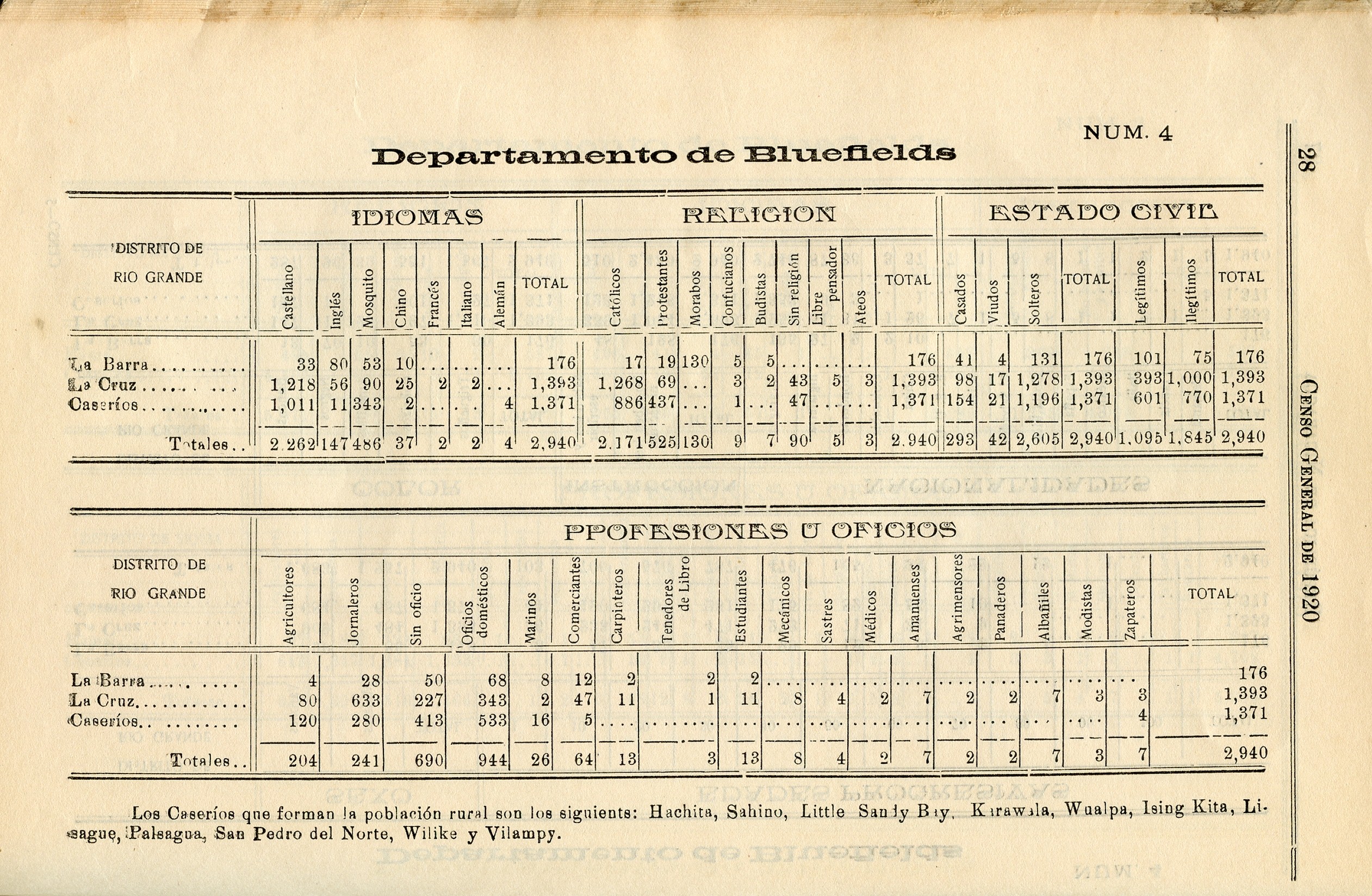
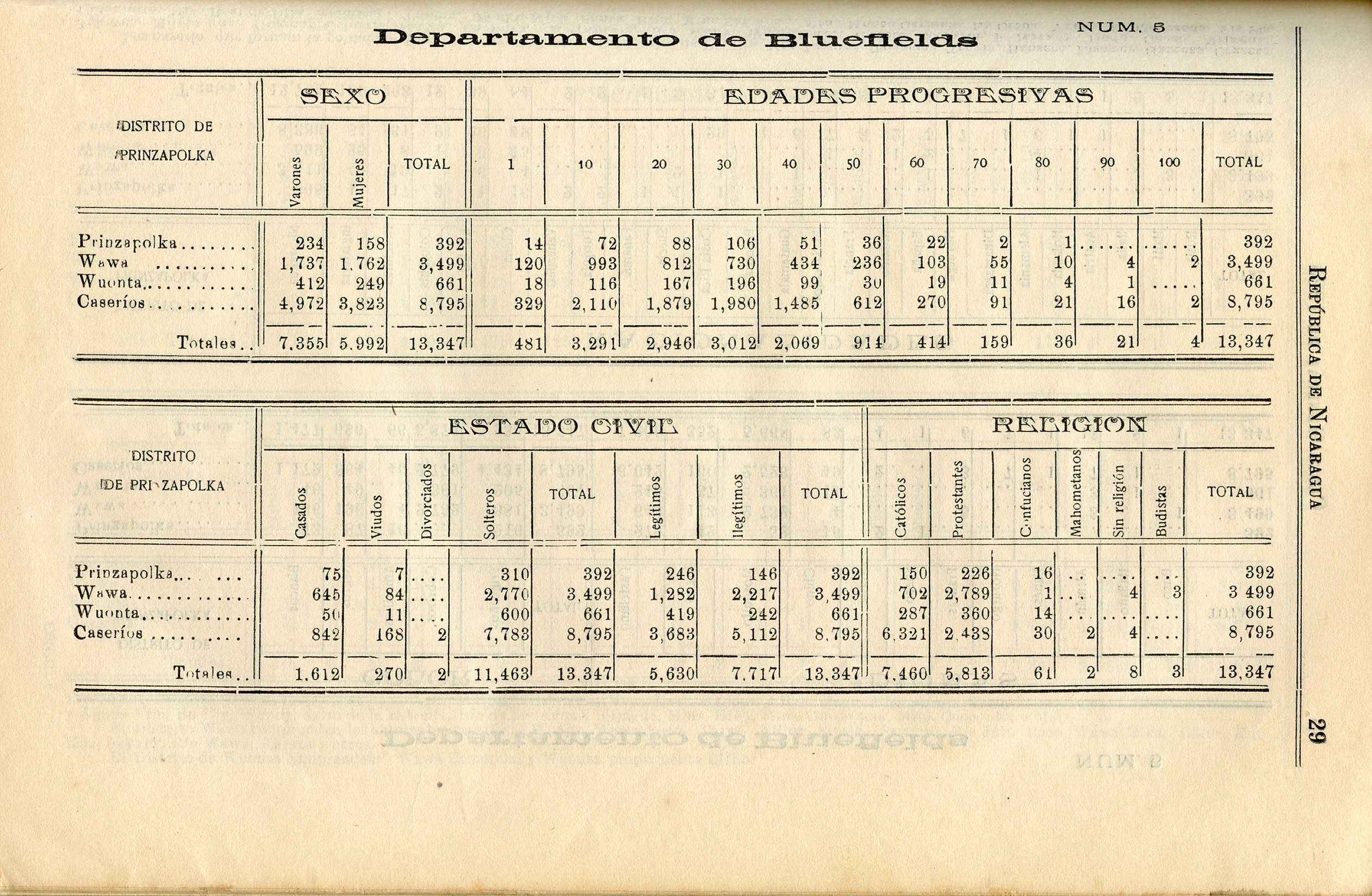
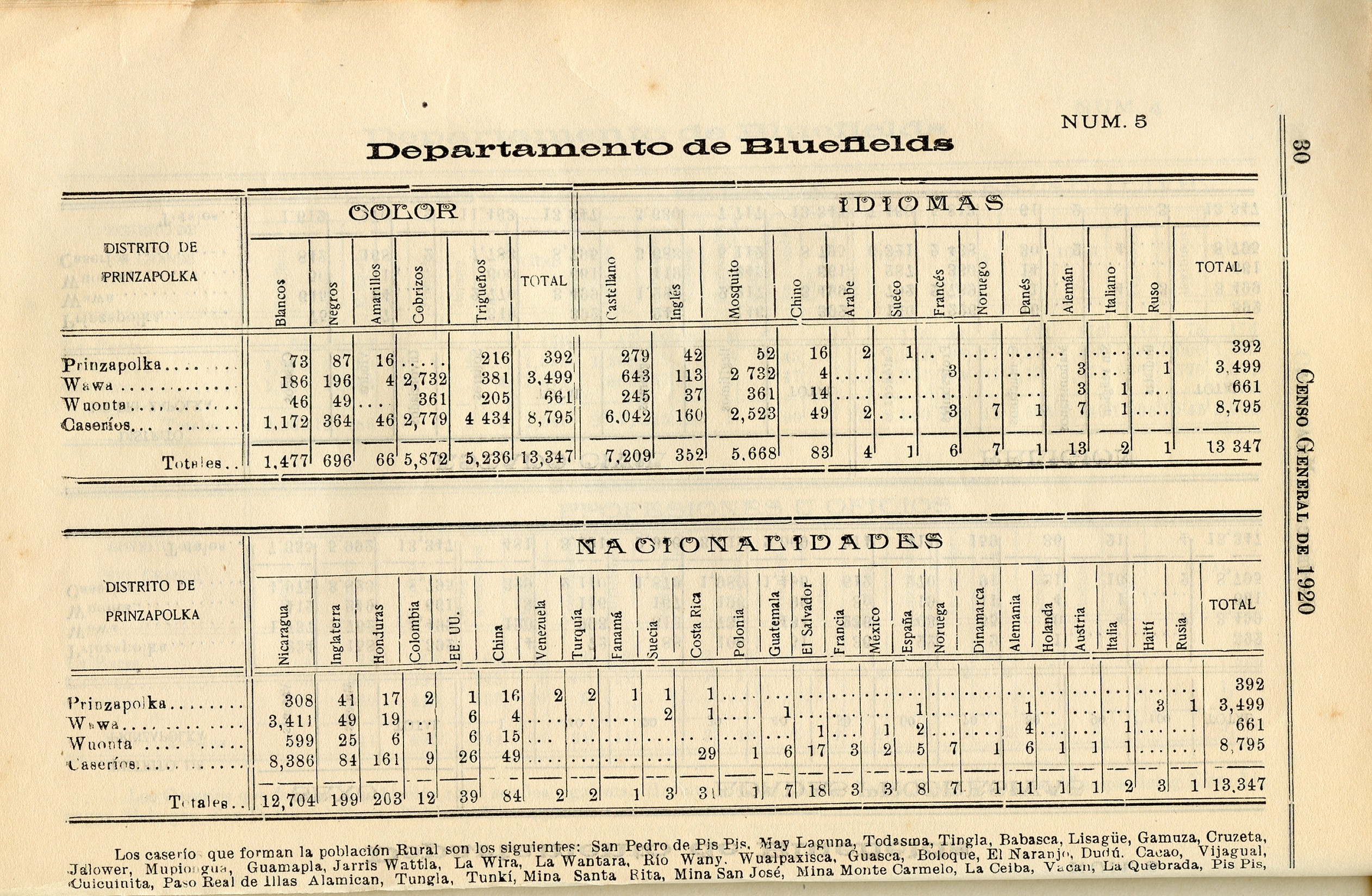
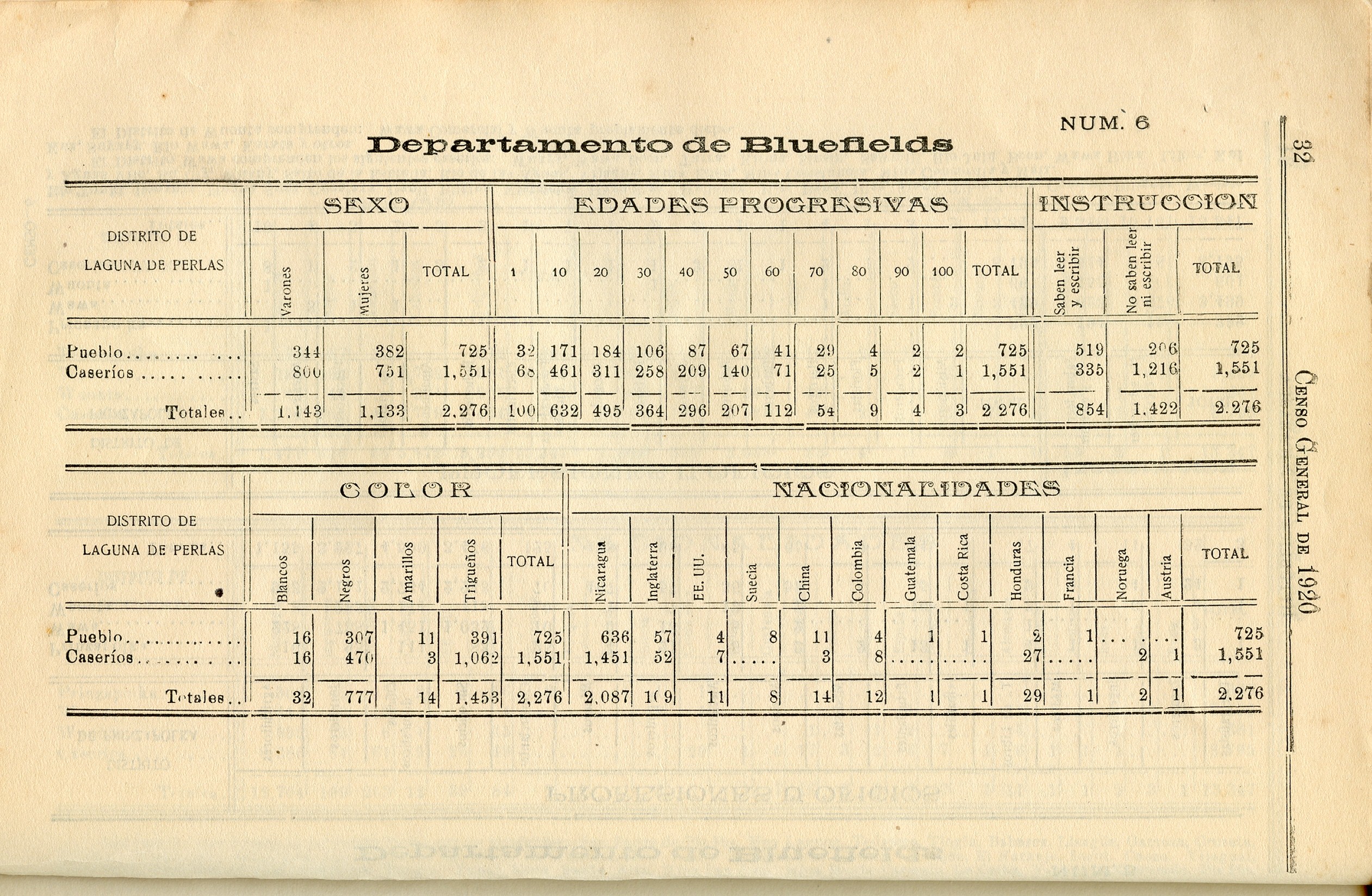
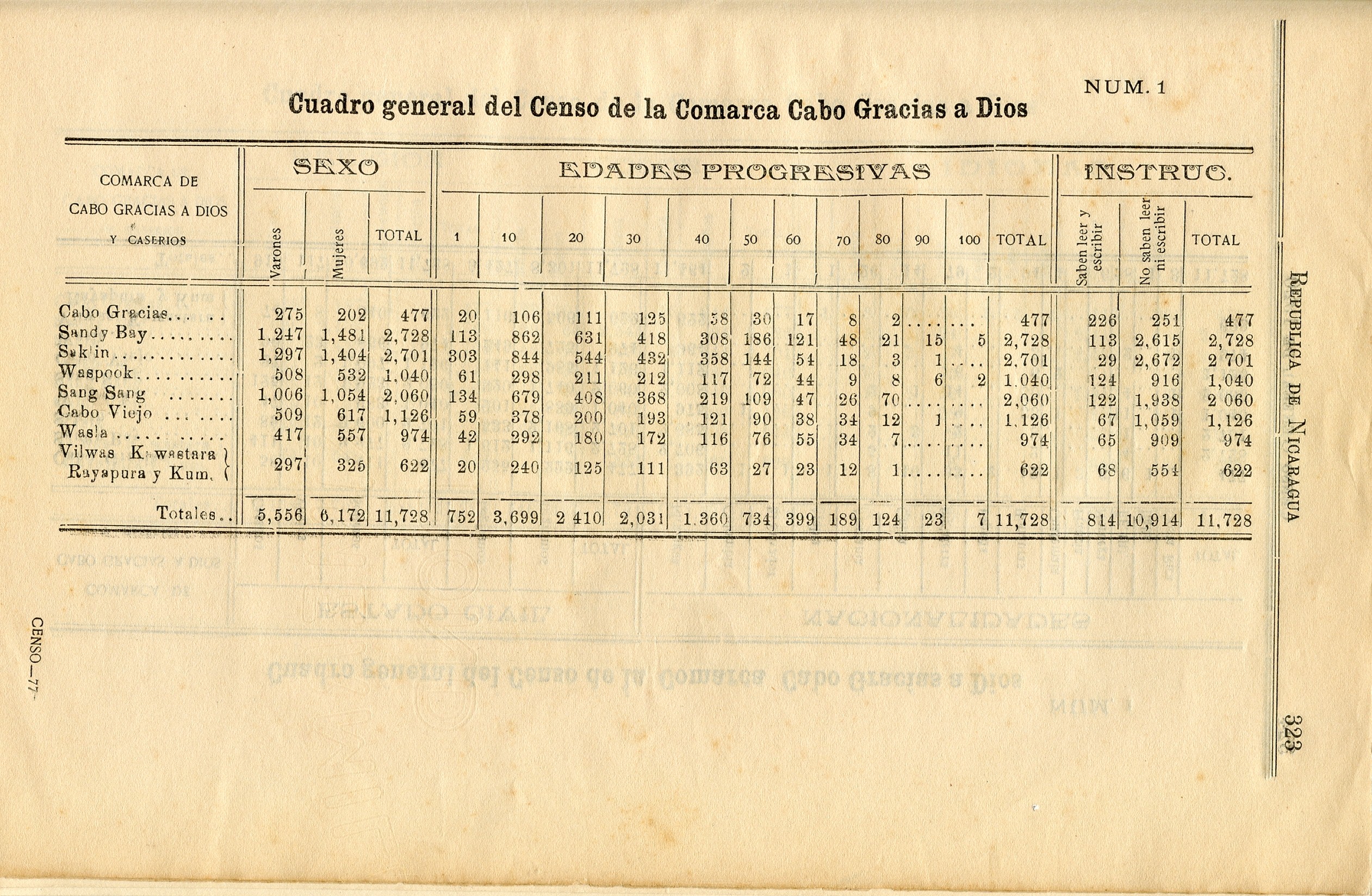
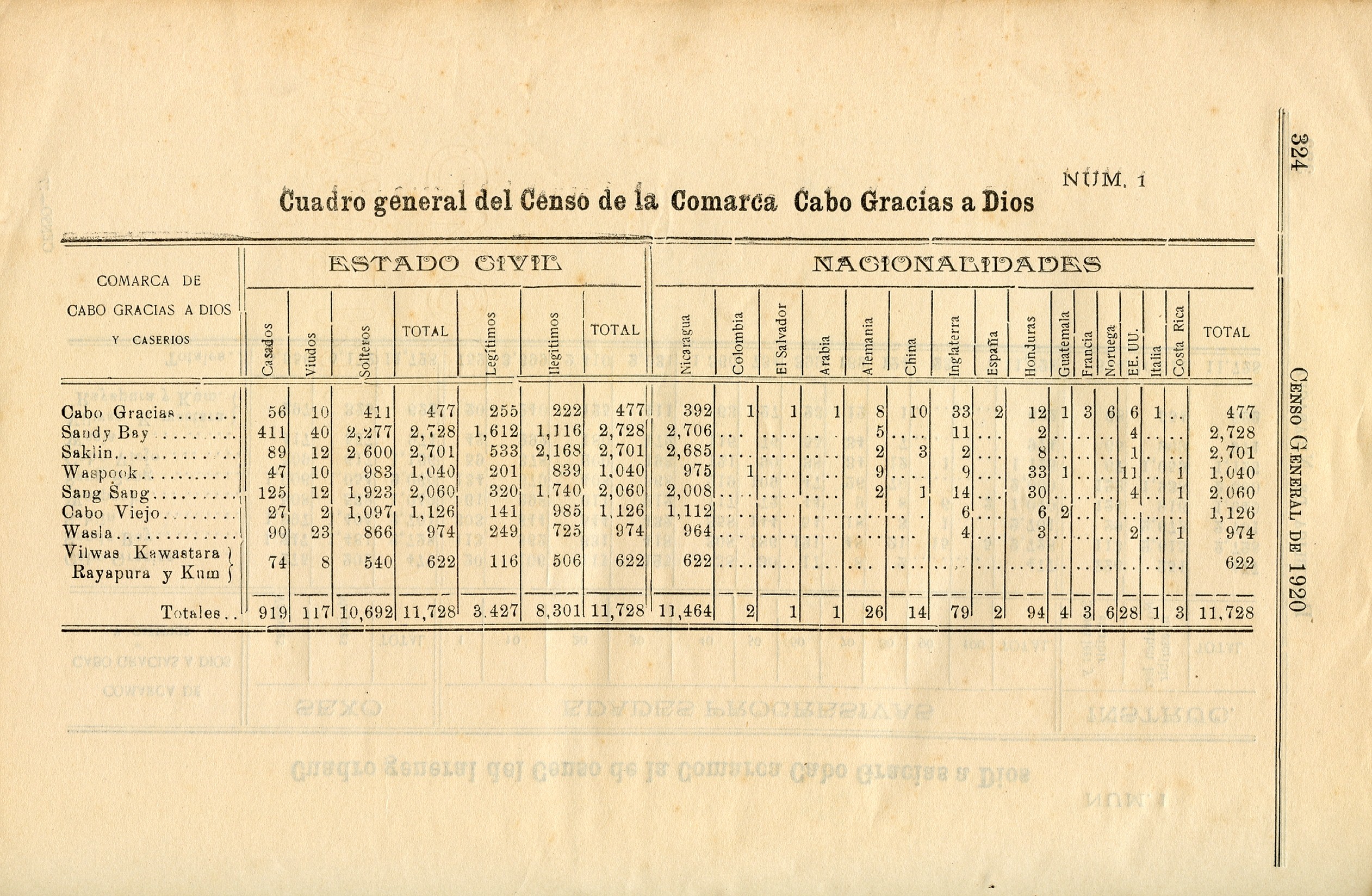
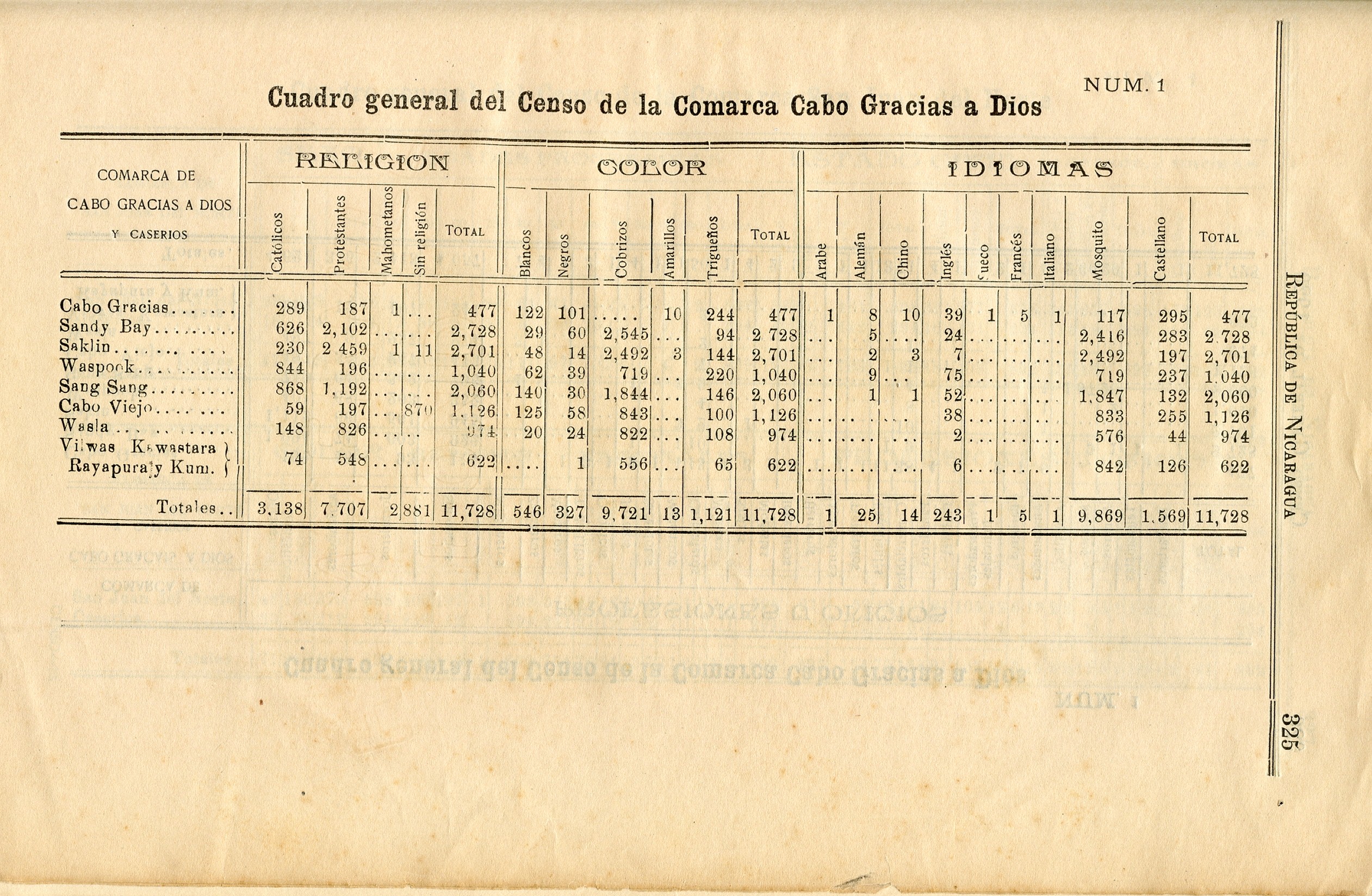
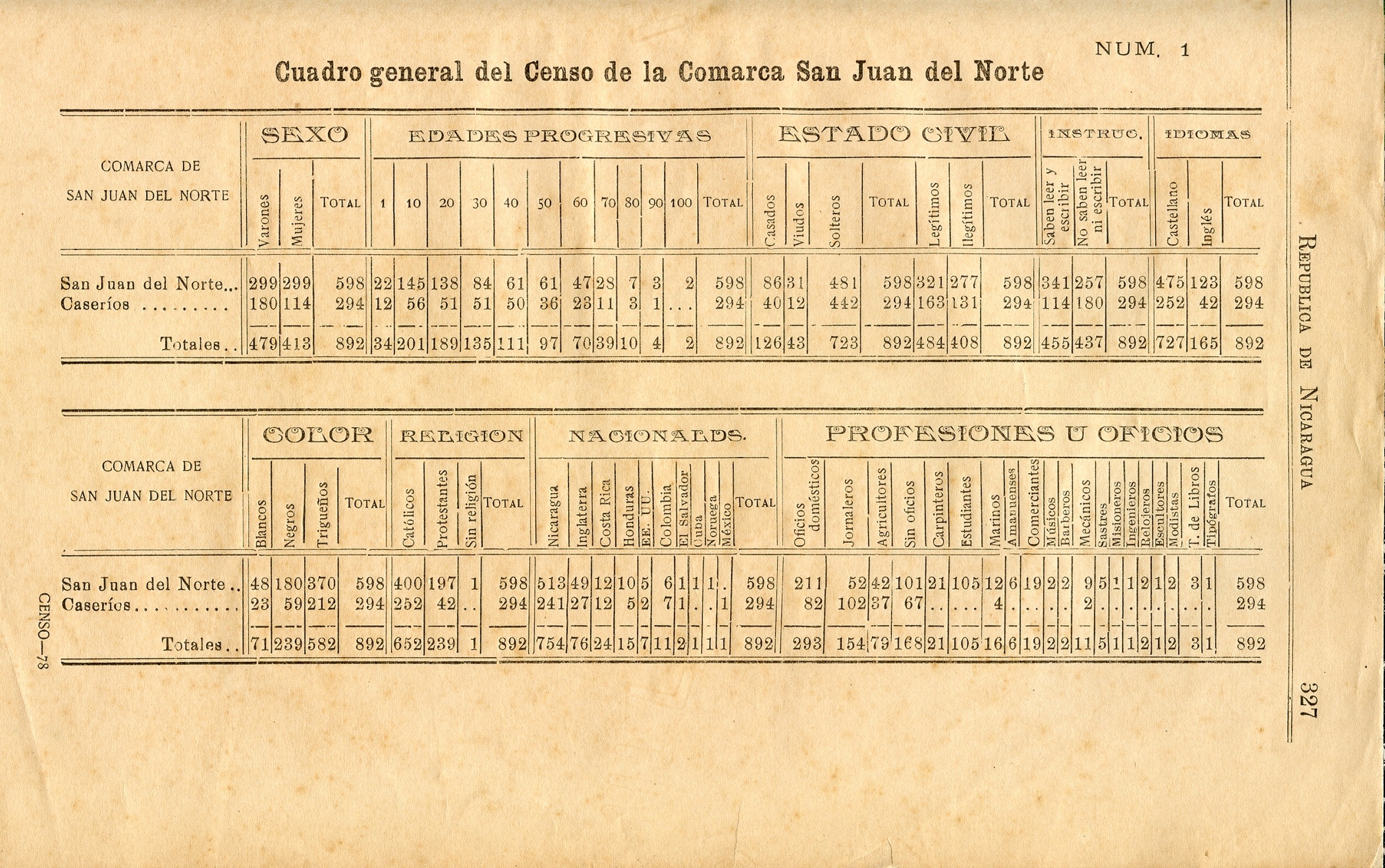
1920.
Nicaragua,
Censo General de la República.
The year
1920 saw the first state-directed census
since the colonial period. Reading left
to right & top to bottom, the first four
pages are on all 13 departamentos and
two comarcas; the next 15 pages on the
Departamento de Bluefields; the next
four on the Comarca Cabo Gracias a Dios,
and the last page on the Comarca San
Juan del Norte.
|
|
|
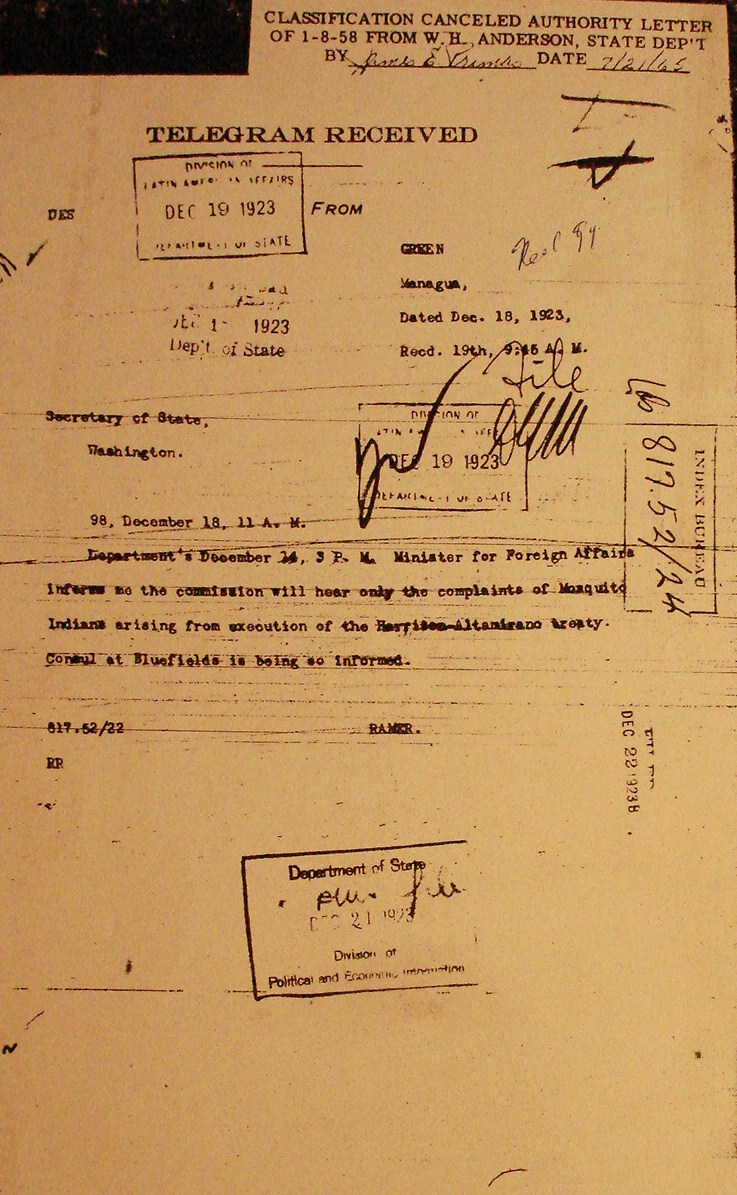
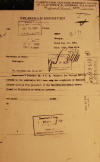
18 December 1923.
Complaints of Mosquito Indians,
US Minister
Ramer, Managua, to Secretary of
State, Washington D.C.
"Minister for
Foreign Affairs informs me the
commission will hear only the complaints
of Mosquito Indians arising from
execution of the Harrison-Altamirano
treaty." [NOTE: the actual complaints
of the Miskitu are not included
here. The US State Department's Decimal
File 817.52 (reel 94 in Microfilm 632,
or M632) includes several hundred pages
of documents from 1923 to 1925 on the
complaints of the Miskitu Indians, on
contract negotiations between the
Nicaraguan government and Bragmans Bluff
Lumber Company, and related topics. To
economize on labor, these documents are
not included in these webpages.
For the State Department's inventory of
M632, see
USDS-DOCS.]
|
|
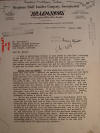
|
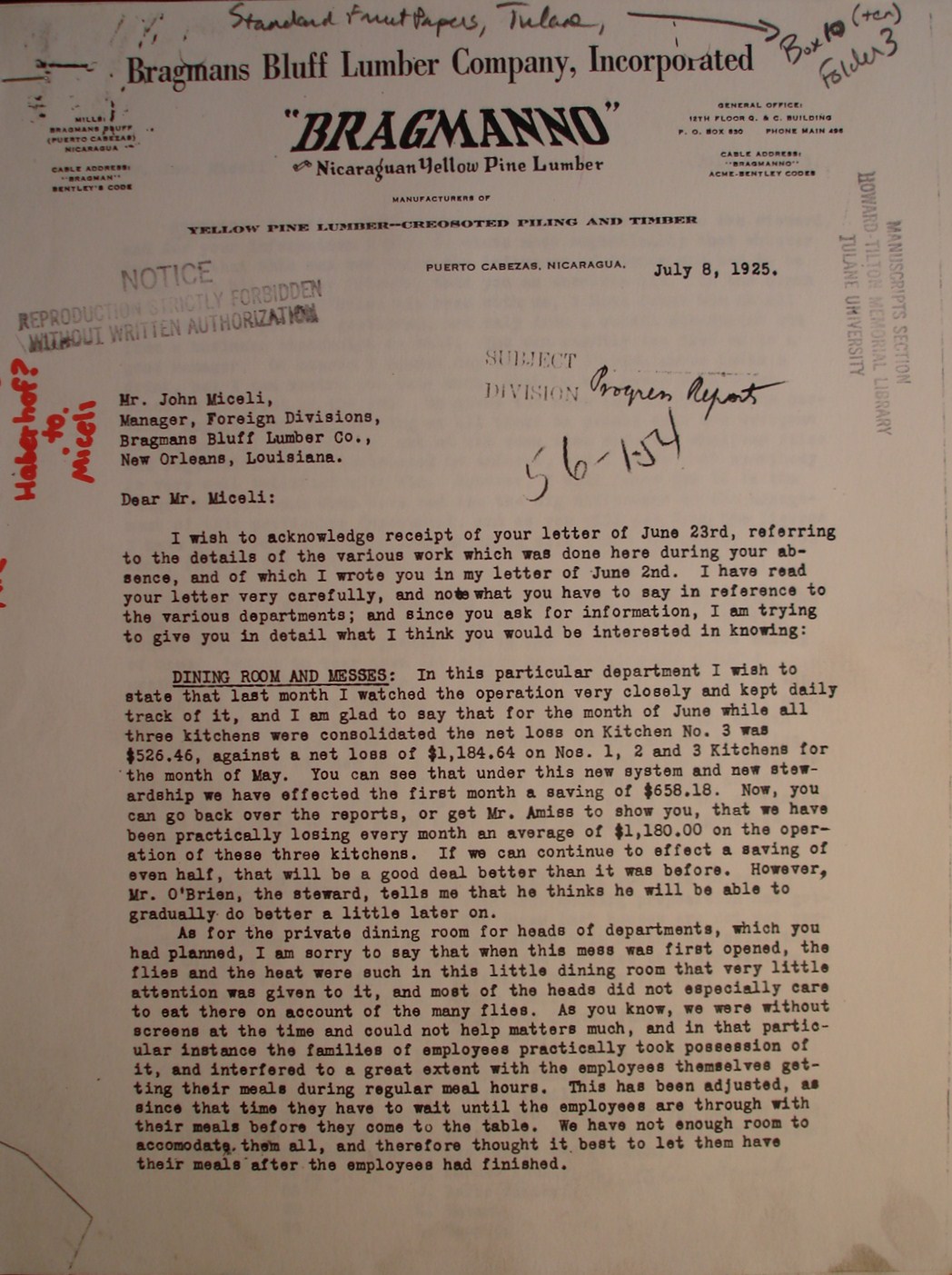
1.
8 July 1925.
Progress Report from
R. Mahahan,
Auditor, Bragmans Bluff Lumber
Company, Inc., to John Miceli, Manager
Foreign Divisions, Bragmans Bluff Lumber
Co., New Orleans LA, p. 1.
"Dear Mr. Miceli
¶ I wish to acknowledge receipt of your
letter of June 23rd, referring to
details of various work which was done
here during your absence, and of which I
wrote you in my letter on June 2nd. I
have read your letter very carefully,
and note what you have to say in
reference to the various documents; and
since you ask for information, I am
trying to give you in detail what I
think you should be interested in
knowing: ¶ DINING ROOM AND MESSES: In
this particular department I wish to
state that last month I watched the
operation very closely and kept daily
track of it, and I am glad to say that
for this month of June while all three
kitchens were consolidated the net
losses of Kitchen No. 3 was $526.46,
against a net loss of $1,184.64 on Nos.
1, 2, and 3 Kitchens for the month of
May. You can see that under this new
system and new stewardship we have
effected the first month a saving of
$658.18. Now, you can go back over the
reports, or get Mr. Amiss to show you,
that we have been practically losing
every month an average of $1,180.00 on
operation of these three kitchens. If we
continue to effect a saving of even
half, that will be a good deal better
than it was before. However, Mr.
O’Brien, the steward, tells me that he
thinks he will be able to gradually do
better little later on. ¶ As for the
private dining room for heads of
departments, which you have planned, I
am sorry to say that when this mess was
first opened, the flies and the heat
were such in the little dining room that
very little attention was given to it,
and most of the heads did not especially
care to eat there on account of the many
flies. As you know, we were without
screens at the time and could not help
matters much, and in that particular
instance the families of employees
practically took possession of it, and
interfered to a great extent with the
employee themselves getting their meals
during regular meal hours. This has been
adjusted, as since that time they have
to wait until the employees are through
with their meals before they come to the
table. We have not enough room to
accommodate them all, and therefore
thought it best to let them have their
meals after the employees had finished.
. . . "
|
|
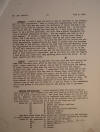
|
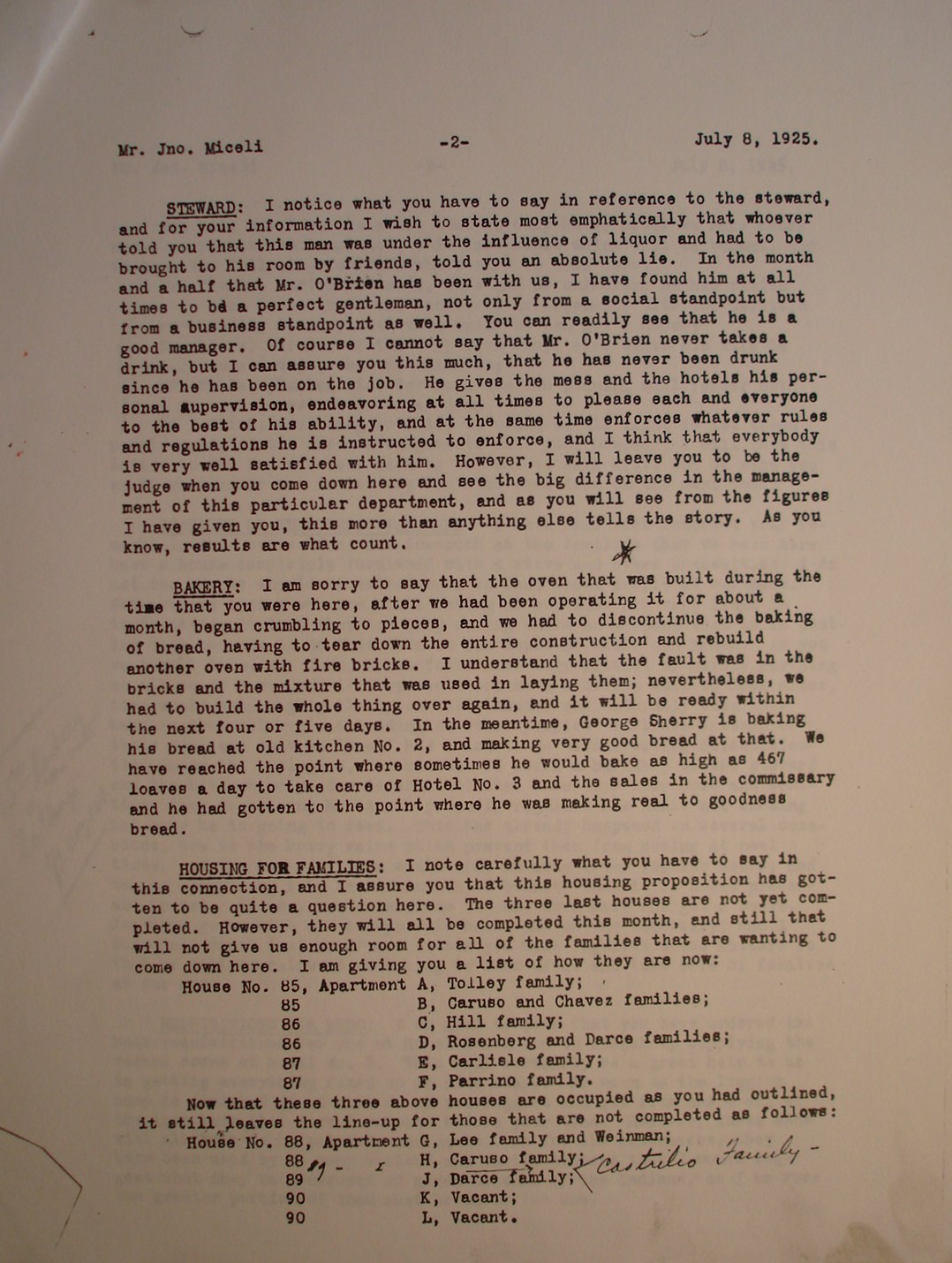
2.
8 July 1925.
Progress Report from
R. Mahahan,
Auditor, Bragmans Bluff Lumber
Company, Inc., to John Miceli, Manager
Foreign Divisions, Bragmans Bluff Lumber
Co., New Orleans LA, p. 2.
" . . . 
STEWARD: I noticed what you have to say
in reference to the steward, and for
your information I wish to state most
emphatically that whoever told you that
this man was under the influence of
liquor and had to be brought to his room
by friends, told you an absolute lie. In
the month and a half that Mr. O’Brien
has been with us, I have found him at
all times to be a perfect gentleman, not
only from a social standpoint but from a
business standpoint as well. You can
readily see that he is a good manager.
Of course I cannot say that Mr. O’Brien
never takes a drink, but I can assure
you this much, that he has never been
drunk since he has been on the job. He
gives the mess and the hotels his
personal supervision, endeavoring at all
times to please each and every one to
the best of his ability, and at the same
time enforcing whatever rules and
regulations he has been instructed to
enforce, and I think that everybody is
very well satisfied with him. However, I
will leave you to be the judge when you
come down here and see the big
difference in the management of this
particular department, and as you will
see from the figures I have given you,
this more than anything else tells the
story. As you know, results are what
count. ¶ BAKERY: I am sorry to say that
the oven that was built during the time
that you were here, after we had been
operating it for about a month, began
crumbling to pieces, and we had to
discontinue the baking of bread, having
to tear down the entire construction and
rebuild another oven with fire bricks. I
understand that the fault was in the
bricks and the mixture that was used in
laying them; nevertheless, we had to
build the whole thing over again, and it
will be ready within the next four or
five days. In the meantime, George
Sherry is baking his bread at old
kitchen No. 2, and making very good
bread at that. We have reached the point
where sometimes he would bake as high as
467 loaves a day to take care of Hotel
No. 3 and the sales in the commissary
and he had gotten to the point where he
was making real to goodness bread. 
HOUSING FOR FAMILIES: I note carefully
what you have to say in this connection,
and I assure you that this housing
proposition has gotten to be quite a
question here. The three last houses are
not yet completed. However, they will
all be completed this month, and still
that will not give us enough room for
all of the families that are wanting to
come down here. I am giving you a list
of how they are now: ¶ House No. 85,
Apartment A, Trolley family; ¶ 85 B,
Caruso and Chavez families; ¶ 86 C, Hill
family; ¶ 86 D, Rosenberg and Darce
families; ¶ 87 E, Carlisle family; ¶ 87
F, Parrino family. ¶ Now that these
three above houses are occupied as you
had outlined, it still leave the line-up
for these that are not completed as
follows: ¶ House No. 88, Apartment G,
Lee family and Weinman; ¶ 88 H, Caruso
family; ¶ 89 J, Darce family; ¶ 90 K,
Vacant; ¶ 90 L, Vacant. . . . "
|
|
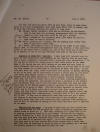
|
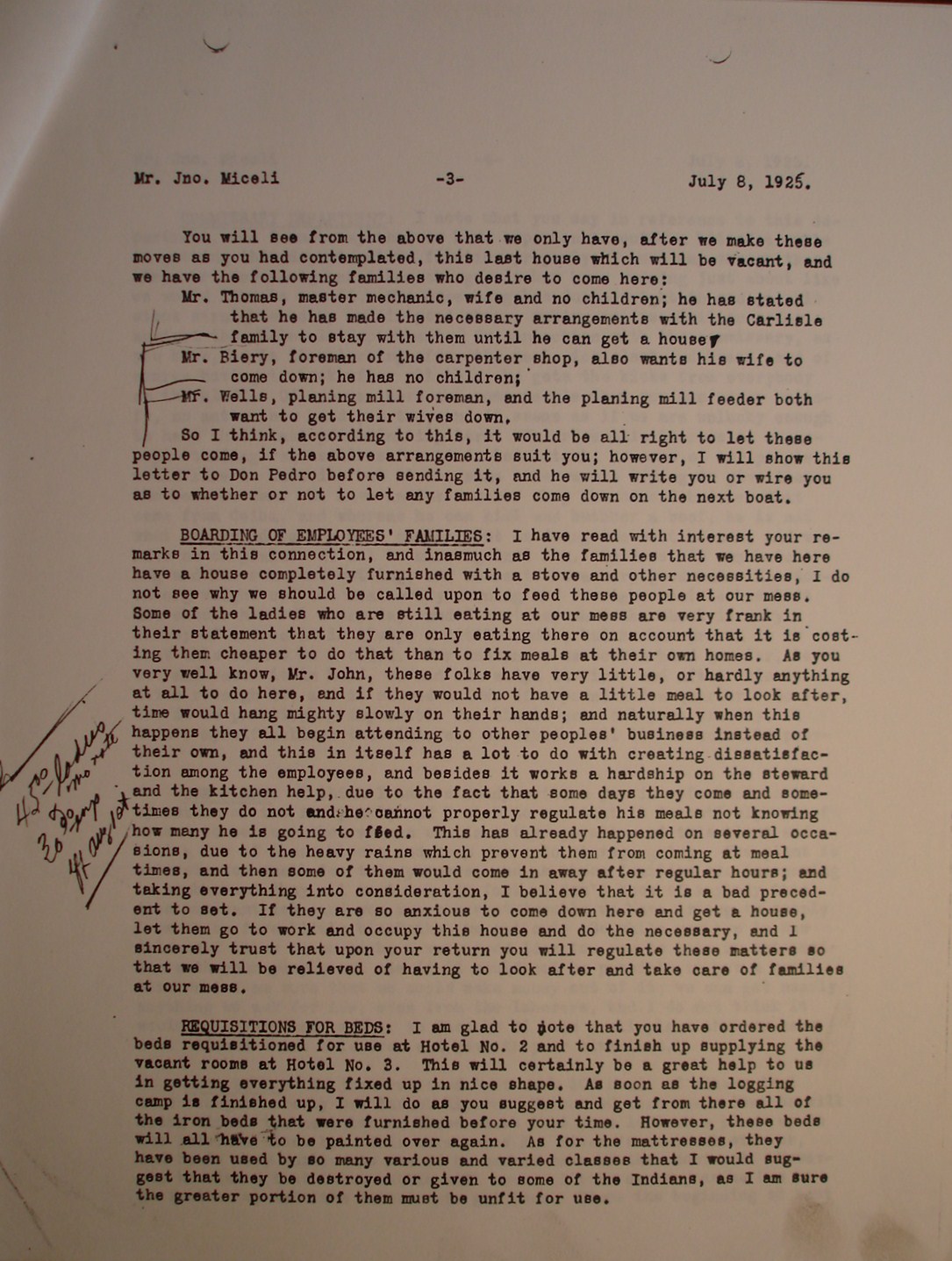
3.
8 July 1925.
Progress Report from
R. Mahahan,
Auditor, Bragmans Bluff Lumber
Company, Inc., to John Miceli, Manager
Foreign Divisions, Bragmans Bluff Lumber
Co., New Orleans LA, p. 3.
" . . . ¶ You
will see from the above that we only
have, after we make these moves as you
had contemplated, this last house which
will be vacant, and we have the
following families who desire to come
here: ¶ Mr. Thomas, master mechanic,
wife and no children; he has stated that
he has made the necessary arrangements
with the Carlisle family to stay with
them until he can get a house. ¶ Mr.
Biery, foreman of the carpenter shop,
also wants his wife to come down; he has
no children. ¶ Mr. Wells, planning mill
foreman, and the planning mill feeder
both want to get their wives down. ¶ So
I think, according to this, it would be
alright to let these people come, if the
above arrangements suit you; however, I
will show this letter to Don Pedro
before sending it, and he will write you
or wire you as to whether or not to let
any families come down on the next boat.
¶ BOARDING OF EMPLOYEES' FAMILIES: I
have read with interest your remarks in
this connection, and inasmuch as the
families that we have here have a house
completely furnished with a stove and
other necessities, I do not see why we
should be called upon to feed these
people at our mess. Some of the ladies
who are still eating at our mess are
very frank in their statement that they
are only eating there on account that it
is costing them cheaper to do that than
to fix meals at their own homes. As you
very well know, Mr. John, these folks
have really little, or hardly anything
at all to do here, and if they would not
have a little meal to look after, time
would hang mighty slowly on their hands;
and naturally when this happens they all
begin attending to other peoples’
business instead of their own, and this
in itself has a lot to do with creating
dissatisfaction among the employees, and
besides it works a hardship on the
steward and the kitchen help, due to the
fact that some days they come and
sometimes they do not and he cannot
properly regulate his meals not knowing
how many he is going to feed. This has
already happened on several occasions,
due to the heavy rains which prevent
them from coming at meal times, and then
some of them would come in away after
regular meal hours; and taking
everything into consideration, I believe
that it is a bad precedent to set. If
they are so anxious to come down here
and get a house, let them go to work and
occupy this house and do the necessary,
and I sincerely trust that upon your
return you will regulate these matters
so that we will be relieved of having to
look after and take care of families at
our mess. ¶ REQUISITIONS FOR BEDS: I am
glad to note that you have ordered the
beds requisitions for use at Hotel No. 2
and to finish up supplying the vacant
rooms at Hotel No. 3. This will
certainly be a great help to us in
getting everything fixed up, I will do
as you suggest and get from there all of
the iron beds that were furnished before
your time. However, these beds will all
have to be painted over again. As for
the mattresses, they have been used by
so many various and varied classes that
I would suggest that they be destroyed
or given to some of the Indians as I am
sure the greater portion of them must be
unfit for use. . . . "
|
|
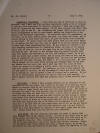
|
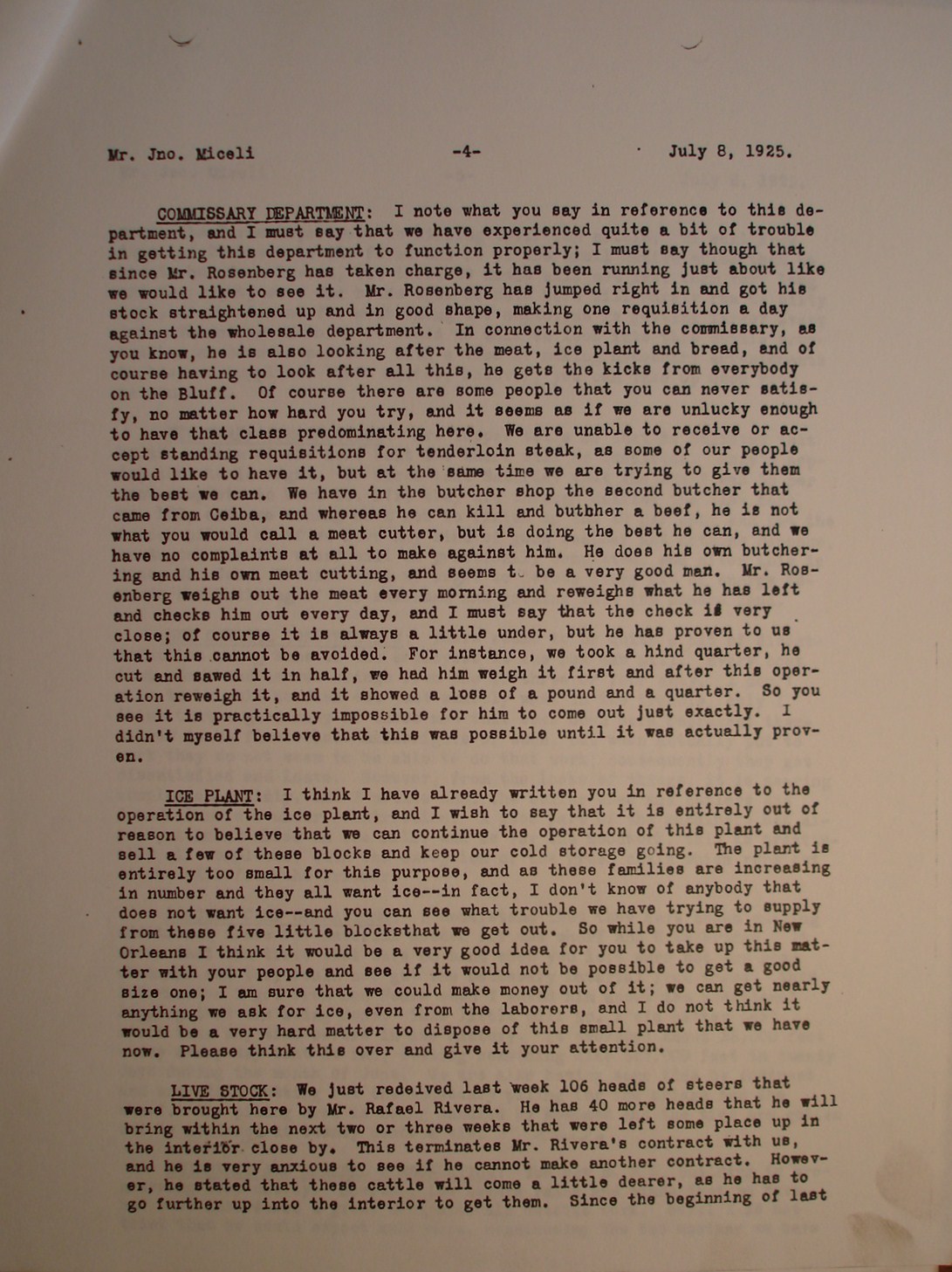
4.
8 July 1925.
Progress Report from
R. Mahahan,
Auditor, Bragmans Bluff Lumber
Company, Inc., to John Miceli, Manager
Foreign Divisions, Bragmans Bluff Lumber
Co., New Orleans LA, p. 4.
" . . . 
Commissary Department: I note what you
say in reference to this department, and
I must say that we have experienced
quite a bit of trouble in this
department to function properly; I must
say though that since Mr. Rosenberg has
taken charge, it has been running just
about like we would like to see it. Mr.
Rosenberg has jumped right in and got
his stock straightened up and in good
shape, making one requisition a day
against the wholesale department. In
connection with the commissary, as you
know, he is also looking after the meat,
ice plant and bread, and of course
having to look after all of this, he
gets the kicks from everybody on the
Bluff. Of course there are some people
that you can never satisfy, no matter
how hard you try, and it seems as if we
are unlucky enough to have that class
predominating here. We are unable to
receive or accept standing requisitions
for tenderloin steak, as some of our
people would like to have it, but at the
same time we are trying to give them the
best we can. We have in the butcher shop
the second butcher that came from Ceiba,
and whereas he can kill and butcher a
beef, he is not what you would call a
meat cutter, but is doing the best he
can, and we have no complaints at all to
make against him. He does his own
butchering and his own meat cutting, and
seems to be a very good man. Mr.
Rosenberg weighs out the meat every
morning and reweighs what he has left
and checks him out every day, and I must
say that the check is very close; of
course it is always a little under, but
he has proven to us that this cannot be
avoided. For instance, we took a hind
quarter, he cut and sawed it in half, we
had him weigh it first and after this
operation reweigh it, and it showed a
loss of a pound and a quarter. So you
see it is practically impossible for him
to come out just exactly. I didn’t
myself believe that this was possible
until it was actually proven. ¶ ICE
PLANT: I think I have already written
you in reference to the operation of the
ice plant, and I wish to say that it is
entirely out of reason to believe that
we can continue the operation of this
plant and sell a few of these blocks and
keep our cold strong going. The plant is
entirely too small for this purpose, and
as these families are increasing in
number and they all want ice—in fact, I
don’t know of anybody that does not want
ice—and you can see what trouble we have
trying to supply from these five little
blocksthat we get out. So while you are
in New Orleans I think it would be a
very good idea for you to take up this
matter with your people and see if it
would not be possible to get a good size
one; I am sure that we could make money
out of it; we can get nearly anything we
can ask for ice, even from the laborers,
and I do not think it would be a very
hard matter to dispose of this small
plant that we have now. Please think
this over and give it your attention. 
LIVE STOCK: We just received last week
106 heads of steers that were brought
here by Mr. Rafael Rivera. He has 40
more heads that he will bring within the
next two or three weeks that were left
some place up in the interior close by.
This terminates Mr. Rivera’s contract
with us, and he is very anxious to see
if he cannot make another contract.
However, he stated that these cattle
will come a little dearer, as he has to
go further up into the interior to get
them. Since the beginning of the last .
. . "
|
|
|
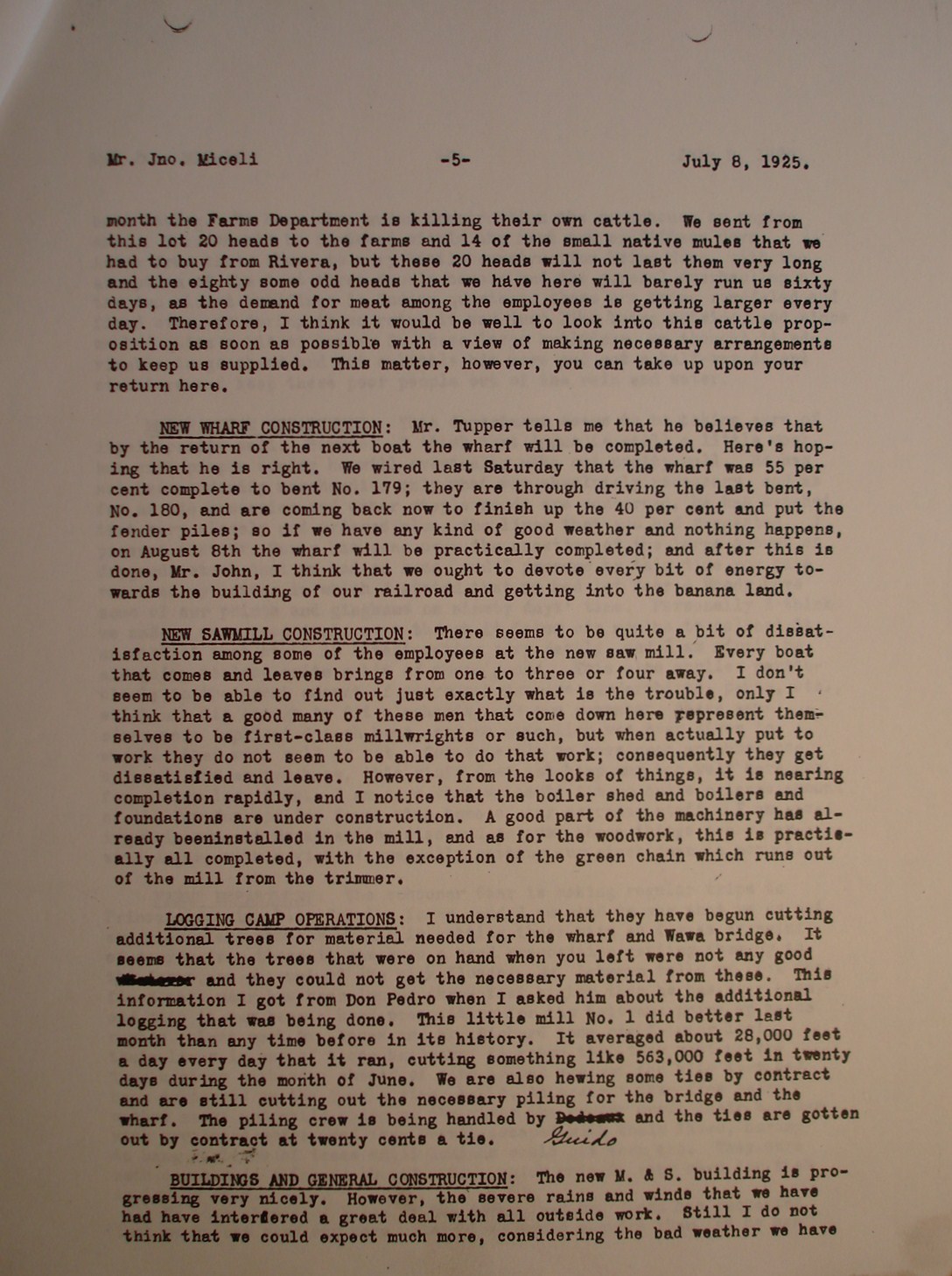
5.
8 July 1925.
Progress Report from
R. Mahahan,
Auditor, Bragmans Bluff Lumber
Company, Inc., to John Miceli, Manager
Foreign Divisions, Bragmans Bluff Lumber
Co., New Orleans LA, p. 5.
" . . . month the
Farms Department is killing their own
cattle. We sent from this lot 20 heads
to the farm and 14 of the small native
mules that we had to buy from Rivera,
but these 20 heads will not least them
very long and the eighty some odd heads
that we have here will barely run us
sixty days, as the demand for meat among
the employees is getting larger every
day. Therefore, I think it would be well
to look into this cattle proposition as
soon as possible with a view of making
necessary arrangements to keep us
supplied. This matter, however, you can
take up upon your return here. ¶ NEW
WHARF CONSTRUCTION: Mr. Tupper tells me
that he believes that by the return of
the next boat the wharf will be
completed. Here’s hoping that he is
right. We wired last Saturday that the
wharf was 55 percent complete to bent
No. 179; they are through driving the
last bent, No. 180, and are coming back
now to finish up the 40 percent and put
the fender piles; so if we have any kind
of good weather and nothing happens, on
August 8th the wharf will be practically
completed; and after this is done, Mr.
John, I think that we ought to devote
every bit of energy towards the building
of our railroad and getting into the
banana land. ¶ NEW SAWMILL CONSTRUCTION:
There seems to be quite a bit of
dissatisfaction among some of the
employees at the new saw mill. Every
boat that comes and leaves brings from
one to three or four away. I don’t seem
to be able to find out just exactly what
is the trouble, only I think that a good
many of these men that come down here
represent themselves to be first-class
millwrights or such, but when actually
put to work they do not seem to be able
to do that work; consequently they get
dissatisfied and leave. However, from
the looks of things, it is nearing
completion rapidly, and I noticed that
the boiler shed and boilers and
foundations are under construction. A
good part of the machinery has already
been installed in the mill, and as for
the woodwork, this is practically all
completed, with the exception of the
green chain which runs out of the mill
from the trimmer. ¶ LOGGING CAMP
OPERATIONS: I understand that they have
begun cutting additional trees for
material needed for the wharf and Wawa
bridge. It seems that the trees that
were on hand when you left were not any
good and they could not get the
necessary material from these. This
information I got from Don Pedro when I
asked him about the additional logging
that was being done. This little mill
No. 1 did better last month than any
time before in its history. It averaged
about 28,000 feet a day every day that
it ran, cutting something like 563,000
feet in twenty days during the month of
June. We are also hewing some ties by
contact and are still cutting out the
necessary piling for the bridge and the
wharf. The piling crew is being handled
by Guido and the ties are gotten out by
contract at twenty cents a tie. 
BUILDINGS AND GENERAL CONSTRUCTION: The
new M. & S. building is progressing very
nicely. However, the severe rains and
winds that we have had have interested a
great deal with all outside work. Still
I do not think that we could expect much
more, considering the bad weather we
have . . . "
|
|
|
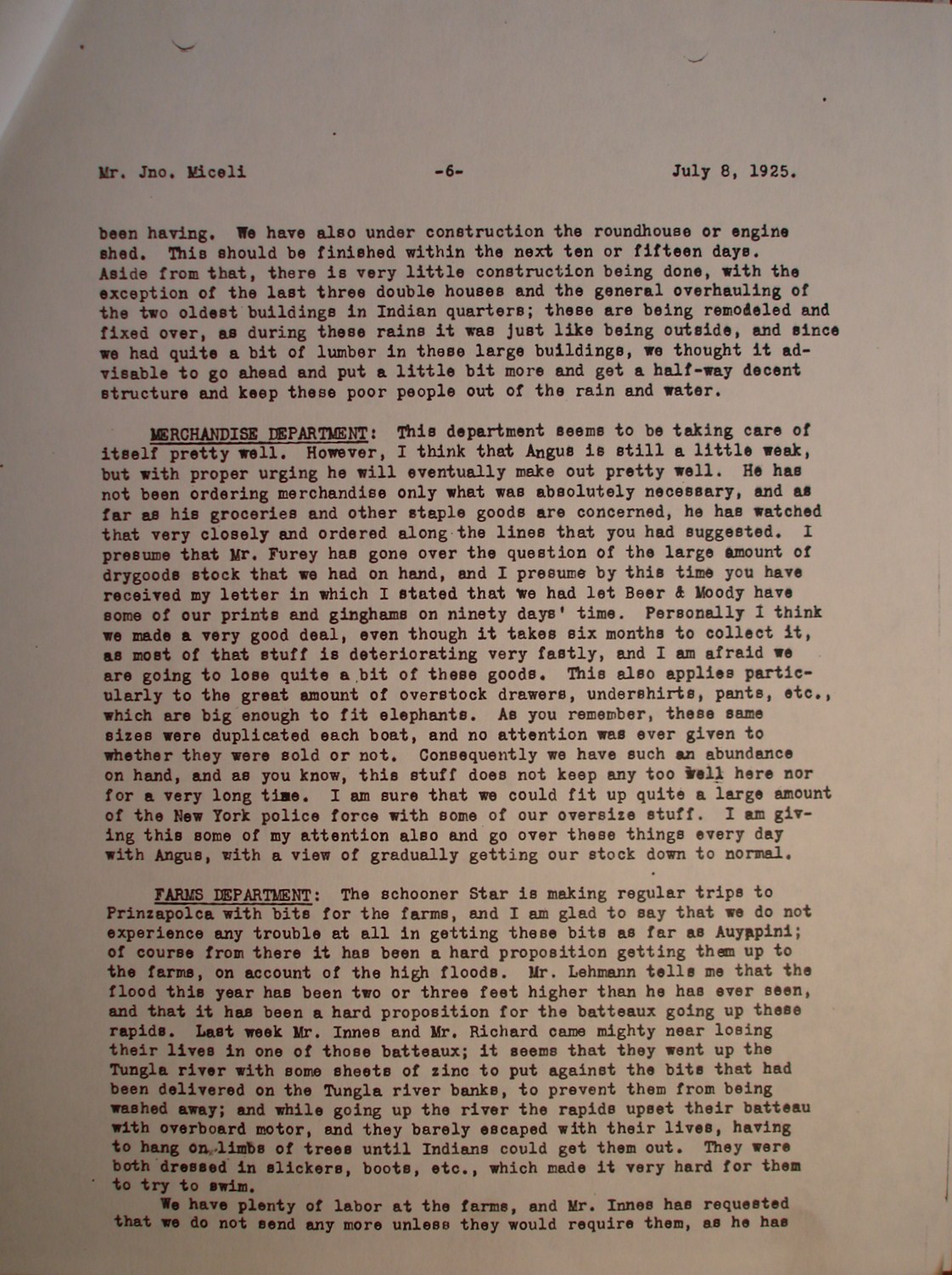
6.
8 July 1925.
Progress Report from
R. Mahahan,
Auditor, Bragmans Bluff Lumber
Company, Inc., to John Miceli, Manager
Foreign Divisions, Bragmans Bluff Lumber
Co., New Orleans LA, p. 6.
" . . . been
having. We have also under construction
the roundhouse or engine shed. They
should be finished within the next ten
or fifteen days. Aside from that, there
is very little construction being done,
with the exception of the last three
double houses and the general
overhauling of the two oldest buildings
in Indian quarters; these are being
remodeled and fixed over, as during
these rains it was just like being
outside, and since we had quite a bit of
lumber in these large buildings, we
thought it advisable to go ahead and put
a little bit more and get a half-way
decent structure and keep these poor
people out of the rain and water. 
MERCHANDISE DEPARTMENT: This department
seems to be taking care of itself pretty
well. However, I think that Angus is
still a little weak, but with proper
urging he will eventually make out
pretty well. He has not been ordering
merchandise, only what was absolutely
necessary, and as far as his groceries
and other staple goods are concerned, he
watched that very closely and ordered
along the lines that you had suggested.
I presume that Mr. Furey has gone over
the question of the large amount of
drygoods stock that we had on hand, and
I presume by this time you have received
my letter in which I stated that we had
let Beer & Moody have some of our prints
and ginghams on ninety days’ time.
Personally I think we made a very good
deal, even though it takes six months to
collect it, as most of that stuff is
deteriorating very fastly, and I am
afraid we are going to lose quite a bit
of these goods. This also applies
particularly to the great amount of
overstock drawers, undershirts, pants,
etc., which are big enough to fit
elephants. As you remember, these same
sizes were duplicated each boat, and no
attention was ever given to whether they
were sold or not. Consequently we have
such an abundance on hand, and as you
know, this stuff does not keep any too
well here nor for a very long time. I am
sure that we could fit up quite a large
amount of the New York police force with
some of our oversized stuff. I am giving
this some of my attention also and go
over these things every day with Angus,
with a view of gradually getting our
stock down to normal. ¶ FARMS
DEPARTMENT: The schooner Star is making
regular trips to Prinzapolca with bits
for the farms, and I am glad to say that
we do not experience any trouble at all
in getting these bits as far as
Auyapini; of course from there it has
been a hard proposition getting them up
to the farms, on account of the high
floods. Mr. Lehmann tells me that the
flood this year has been two or three
feet higher than he has ever seen, and
that it has been a hard proposition for
the batteaux going up these rapids. Last
week Mr. Innes and Mr. Richard came
mighty near losing their lives in one of
those batteaux; it seems that they went
up the Tungla river with some sheets of
zinc to put against the bits that had
been delivered on the Tungla river
banks, to prevent them from being washed
away; and while going up the river the
rapids upset their batteau with
overboard motor, and they barely escaped
with their lives, having to hang on
limbs of tress until Indians could get
them out. They were both dressed in
slickers, boots, etc., which made it
very hard for them to try to swim. ¶ We
have plenty of labor at the farms, and
Mr. Innes has requested that we do not
send any more unless they would require
them, as he has . . . "
|
|
|
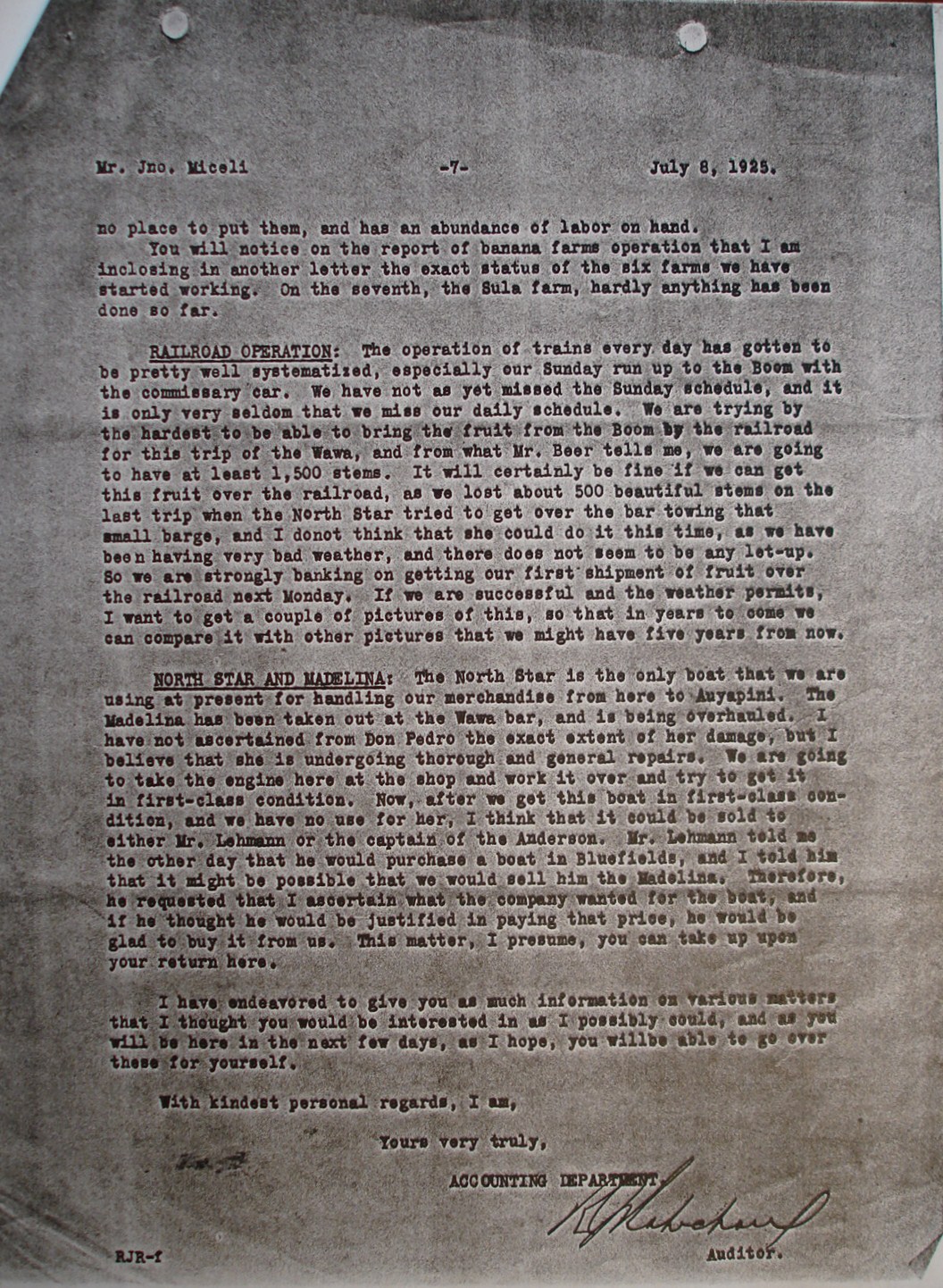
7.
8 July 1925.
Progress Report from
R. Mahahan,
Auditor, Bragmans Bluff Lumber
Company, Inc., to John Miceli, Manager
Foreign Divisions, Bragmans Bluff Lumber
Co., New Orleans LA, p. 7.
" . . . no place
to put them, and has an abundance of
labor on hand. ¶ You will notice on the
report of banana farms operation that I
am inclosing in another letter the exact
status of the six farms we have started
working. On the seventh, the Sula farm,
hardly anything has been done so far. 
RAILROAD OPERATION: The operation of
trains every day has gotten to be pretty
well systematized, especially our Sunday
run up to the Boom with the commissary
car. We have not as yet missed the
Sunday schedule, and it is only very
seldom that we miss our daily schedule.
We are trying by the hardest to be able
to bring the fruit from the Boom by the
railroad for this trip of the Wawa, and
from what Mr. Beer tells me, we are
going to have at least 1,500 stems. It
will certainly be fine if we can get
this fruit over the railroad, as we lost
about 500 beautiful stems on the last
trip when the North Star tried to get
over the bar towing that small barge,
and I do not think that she could do it
this time, as we have been having very
bad weather, and there does not seem to
be any let-up. So we are strongly
banking on getting our first shipment of
fruit over the railroad next Monday. If
we are successful and the weather
permits, I want to get a couple of
pictures of this, so that in years to
come we can compare it with other
pictures that we might have five years
from now. ¶ NORTH STAR AND MADELINA: The
North Star is the only boat that we are
using at present for handling our
merchandise from here to Anyapini. The
Madelina has been taken out at the Wawa
bar, and is being overhauled. I have not
ascertained from Don Pedro the exact
extent of her damage, but I believe that
she is undergoing thorough and general
repairs. We are going to take the engine
here at the stop and work it over and
try to get it in first-class condition.
Now, after we get this boat in
first-class condition, and we have no
other use for her, I think that it could
be sold to either Mr. Lehmann or the
captain of the Anderson. Mr. Lehmann
told me the other day that he would
purchase a boat in Bluefields, and I
told him that it might be possible that
we would sell him the Madelina.
Therefore, he requested that I
ascertained what the company wanted for
the boat, and if he thought he would be
justified in paying that price, he would
be glad to buy it from us. This matter,
I presume, you can take up upon your
return here. ¶ I have endeavored to give
you as much information on various
matters that I thought you would be
interested in as I possibly could, and
as you will be here in the next few
days, as I hope, you willbe able to go
over these for yourself. ¶ With kindest
personal regards, I am, ¶ Yours very
truly, ¶ Accounting Department. 
Auditor."
|
|
|
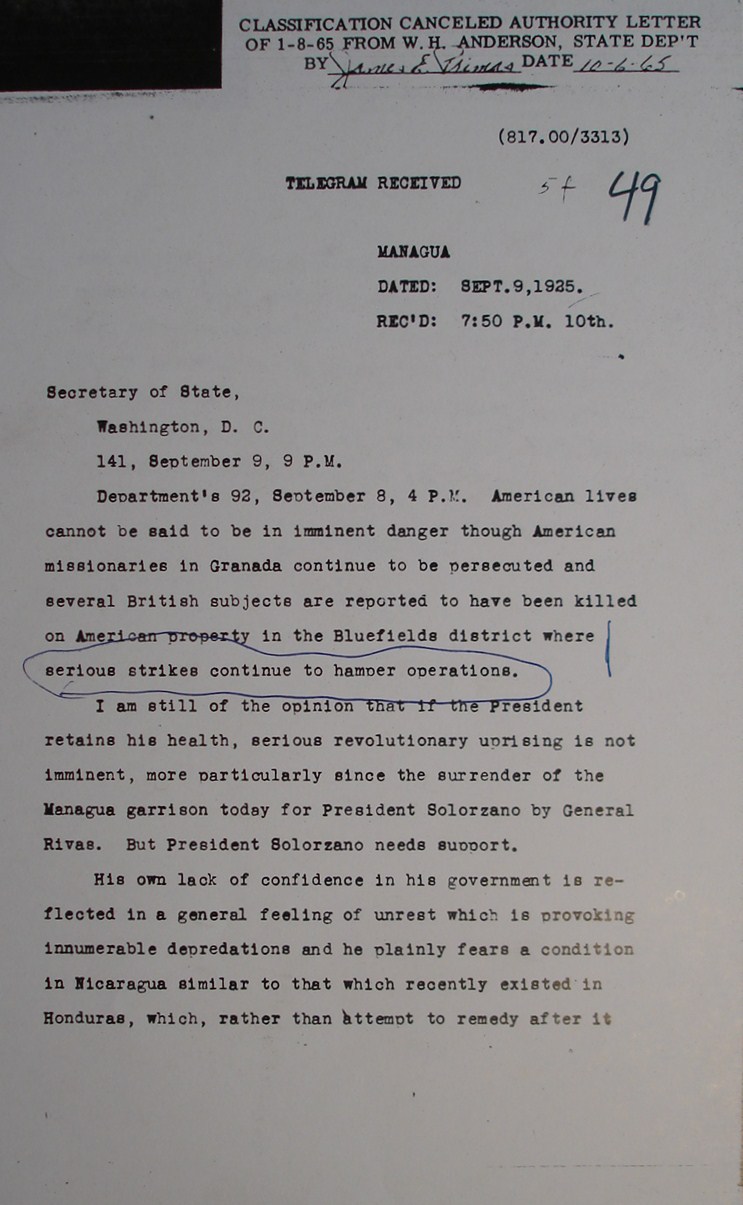
9 September 1925.
Telegram from US
Minister C. Eberhardt, Managua,
to Secretary of State, Washington D.C.,
p. 1.
"Department's 92,
September 8, 4 P.M. American lives
cannot be said to be in imminent danger
though American missionaries in Granada
continue to be persecuted and several
British subjects are reported to have
been killed on American property in the
Bluefields district where serious
strikes continue to hamper operations. 
I am still of the opinion that if the
President retains his health, serious
revolutionary uprising is not imminent,
more particularly since the surrender of
the Managua garrison today for President
Solorzano by General Rivas. But
President Solorzano needs support. ¶ His
own lack of confidence in his government
is reflected in a general feeling of
unrest which is provoking innumerable
depredations and he plainly fears a
condition in Nicaragua similar to that
which recently existed in Honduras,
which, rather than attempt to remedy
after it . . . "
|
|
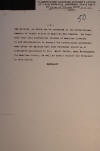
|
9 September 1925.
Telegram from US
Minister C. Eberhardt, Managua,
to Secretary of State, Washington D.C.,
p. 2.
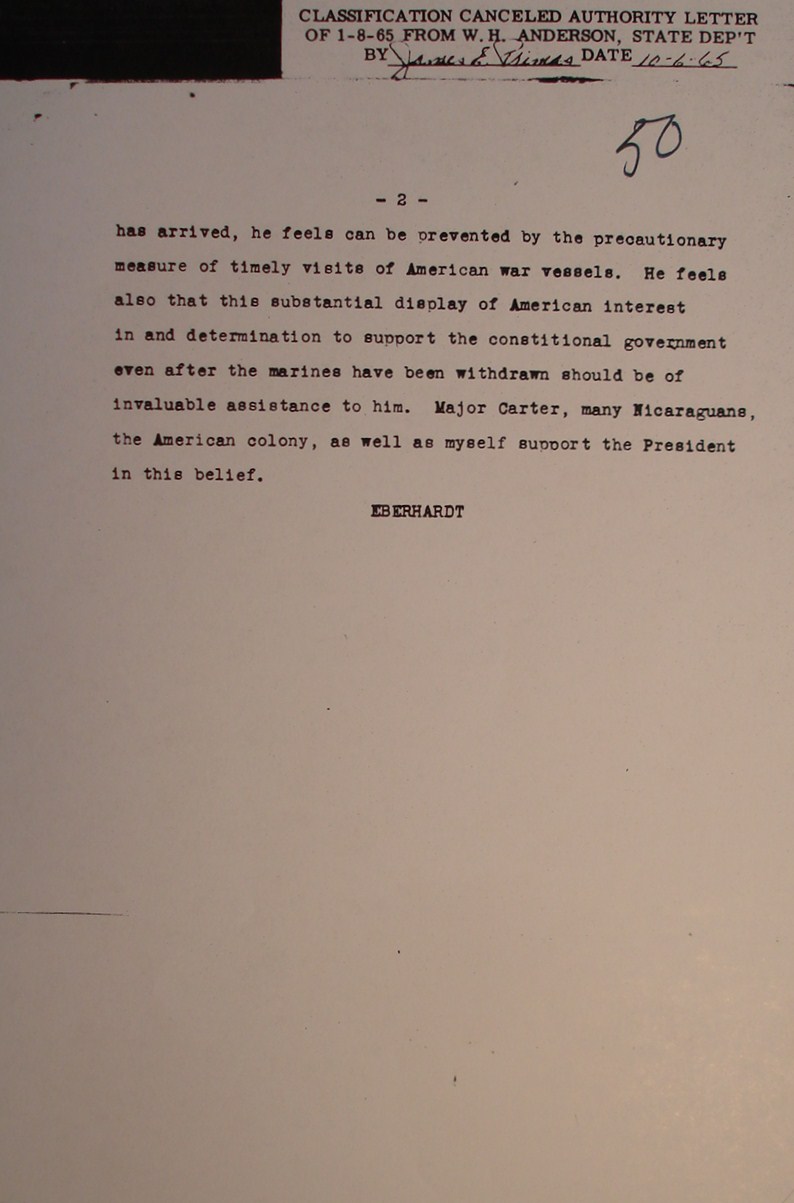
" . . . has
arrived, he feels can be prevented by
the precautionary measure of timely
visits of American was vessels. He feels
also that this substantial display of
American interest in and determination
to support the constitutional government
even after the marines have been
withdrawn should be of invaluable
assistance to him. Major Carter, many
Nicaraguans, the American colony, as
well as myself support the President in
this belief. ¶ Eberhardt"
|
|
|
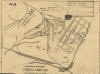
1926.
Map of Puerto Cabezas, by
Bragmans Bluff
Lumber Company, a subsidiary of
Standard Fruit Company, New Orleans, LA.
|
|
|
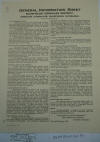
1 February 1926.
General Information Sheet, Bluefields
Consular District,
US Consulate,
Bluefields, Nicaragua (revised
Feb. 1926).
"Area,
Topography, Climate. ¶ The
district comprises the eastern half of
Nicaragua, including the Departments of
Cabo Gracias a Dios, Bluefields,
Prinzapolca, Rio Grande, Siquia, and
eastern sections of Jinotega and
Chontales. Its area is approximately
25,000 square miles. ¶ The surface of
the land is low and level on the coast,
but undulating in the interior,
attaining an altitude of 2,500 feet or
more. Navigable rivers enrich the soil
with alluvial deposits during the flood
seasons as they flow towards the
Caribbean Sea. Tropical vegetation and
forests of pine and hard woods abound. 
The climate is tropical, the temperature
varying from 60 to 90 degrees,
Fahrenheit. The rainy season extends
from June to January; the dry, from
February to May; but on the coast it
rains almost daily, the annual rainfall
being about 200 inches. 
Population, Race, Language, Standards of
Living. ¶ The population,
according to the latest census (1920),
was 44,000, classified as follows: White
people, 13 per cent., black, 15 per
cent., copper-colored (Miskito), 21 per
cent., and mixed (Spanish-Indian), 51
per cent. Spanish is the prevailing
language, but Miskito is spoken by the
Indians, and English is common on the
coast. The majority of the people live
very primitively, their purchasing power
being limited. ¶ The principal towns and
their population, are: Bluefields,
7,226; Prinzapolca, 800; Cabo Gracias a
Dios, 500; Pearl Lagoon, 900; San Juan
del Norte (Greytown), 400; Rama, 900;
and Puerto Cabezas, 500. 
Leading Occupations and Industries.
¶ Banana cultivation and mahogany
cutting constitute the chief sources of
wealth. The banana sections are on the
Escondido River and the Rio Grande.
Large banana interests are being
developed on the Wawa River. Mahogany is
obtained in the interior along the banks
of the various rivers. ¶ The pine lumber
industry at Puerto Cabezas is becoming
more important each year. At Bluefields
are small docks for repairing coastal
vessels, a tannery, an electric light
plant, ice factories, and a small shoe
factory. Otherwise there are but few
industrial enterprises. The agricultural
possibilities are great, but not
exploited. Staple food products, such
as, corn, rice, beans and sugar are
imported to meet local demands. 
Leading Imports and Exports.
¶ Fully 85 per cent of the imports are
supplied by the United States,
consisting mainly of food products,
staple cotton goods, machinery for saw
mills, mines, and two private railways,
paints, varnishes, general hardware and
cutlery, drugs, chemicals, shoes, and
paper products. In 1924, the imports
were valued at $2,698,833. ¶ Bananas and
mahogany are the principal exports, the
value of each averaging $1,500,000
annually. Other exports are cedar, gold
bullion, coconuts, and rubber. In 1924,
the exports, practically all to the
United States, were valued at
$3,296,931. In 1925, the exports to the
United States were values at $3,801,122,
consisting of the following: Mahogany,
19,801,609 board feet, $1,566,586;
cedar. 4,845,719 board feet, $320,914;
bananas, 2,558,805 bunches, $1,565,260;
gold (bullion and dust), 21,787 ounces,
$186,378; coconuts, 737,345 (number),
$20,537; rubber, 34,264 pounds, $14,912;
and miscellaneous, $123,535. 
Trade Conditions: Terms of Credit.
¶ Foreigners, mostly Americans, control
the wholesale trade; Chinese, the retail
trade, especially groceries and general
merchants. The attitude of importers is
favorable to American goods, preference
being given with due consideration for
price and quality. Commercial travelers
are subject to a tax of $15, but the law
is seldom enforced. Samples are admitted
free of duty under bond providing for
their exportations. ¶ The usual terms of
credit are from 30 to 90 days against
acceptances, according to the class of
goods. Credit information may be
obtained from commercial agencies or
American banks specializing in
Nicaraguan trade. Banco Nacional de
Nicaragua maintains a branch in
Bluefields, the only banking institution
in eastern Nicaragua. 
Character of Packing Desirable.
¶ All imports should be packed securely
to withstand rough handling, and with
due reference to customs classification
in order to avoid the payment of heavy
duties on containers. ¶ General
Customs Policy and Regulations
¶ American officials, under Treaty
arrangement, are in charge of the
customs administration of Nicaragua.
Duties are based largely on weight,
gross and net. Exporters should exercise
care in complying with instructions
furnished by Nicaraguan importers.
Bluefields is the principal port of
eastern Nicaragua, the point of
distribution for most of the imports.
Other ports of entry are Cabo Gracias a
Dios, Puerto Cabezas, and San Juan del
Norte. ¶ Copies of the Tariff of
Nicaragua in English may be obtained
from the Superintendent of Documents,
Government Printing Office, Washington
D.C., at a cost of ten cents.
Information regarding the preparation of
consular invoices may be secured from
Nicaraguan Consuls in the United States.
¶ Transportation Conditions and
Connections. ¶ Two steamship
companies operate ships between New
Orleans and Bluefields; and one between
New Orleans and Puerto Cabezas. The
Cuyamel Fruit Company maintains a weekly
service, calling at Cienfuego on its
southbound trip; the Orr Fruit and
Steamship Company, a 15-day service,
calling at Cienfuego and Jamaica when
southbound. The Vacarro Brothers operate
ships every 20 days from New Orleans to
Puerto Cabezas. All mail and freight for
eastern Nicaragua should be forwarded by
way of New Orleans. ¶ There are no
highways in the district, the only means
of communication between points being by
river boats or on mule back over trails.
Coastal vessels ply up and down the
coast connecting with river launches on
the San Juan River for Lake Nicaragua.
Then on Lake-streamers interior points
may be reached. Coastal vessels also
maintain irregular schedules between
Colon and Bluefields. ¶ Postal
Regulations and Rate. ¶ The
postal rates of the United States apply
to mail matter from the United States to
Nicaragua. On letters, or other first
class mail to Nicaragua, the rate is two
cents an ounce or fraction thereof. 
Waiver. ¶ No
responsibility is assumed by this
consulate for the business standing of
firms submitted upon the request of
American exporters. ¶ Communications
should be addressed to: ¶ THE AMERICAN
CONSUL, ¶ Bluefields, Nicaragua. 
Revised February, 1926."
|
|
|
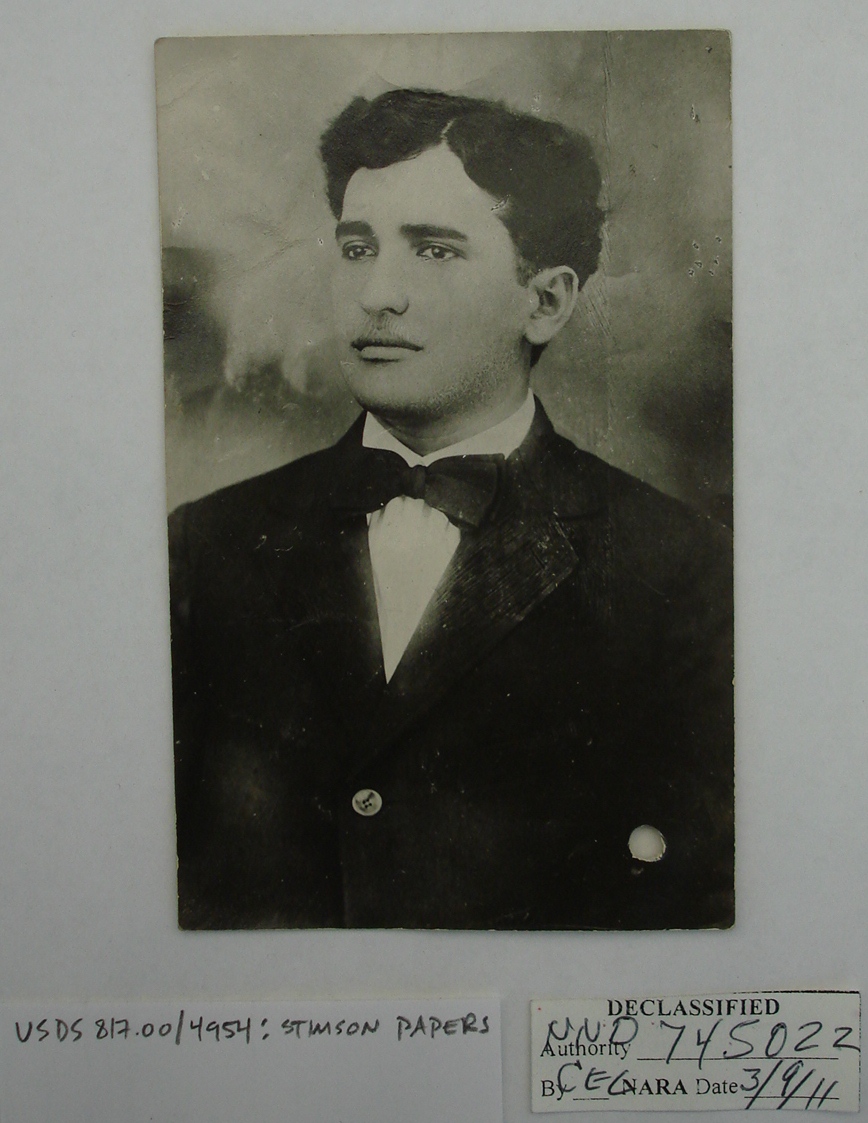
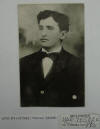
2 May 1926.
Photograph of Liberal
General Luis
Beltrán Sandoval (postcard).
|
|
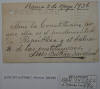
|
2 May 1926.
Postcard from Liberal
General Luis
Beltrán Sandoval.
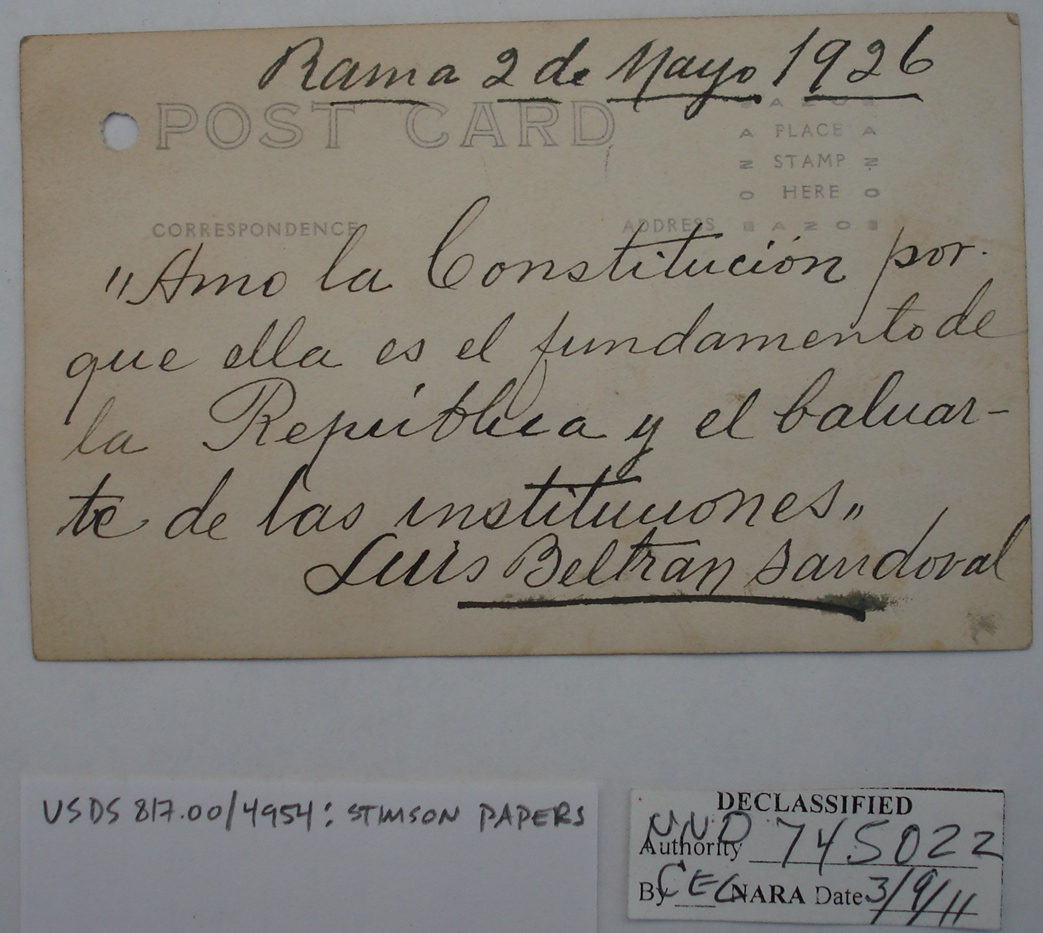
"Rama 2 de
Mayo 1926. 'Amo la Constitución por que
ella es el fundamento de la República y
el baluarte de las instituciones.' Luis
Beltran Sandoval"
|
|
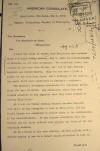
|
1.
6 May 1926.
Revolution; Capture of Bluefields,
US Consul A. J.
McConnico, Bluefields, to Sec.
State Washington D.C., p. 1.
"I have the honor
to report that Bluefields was captured
about 3 o'clock Sunday morning, May 2,
1926, by revolutionists or Liberals in
the name of Sacasa. The attacking force,
consisting of not more than 50 men, was
led by Luis Beltran Sandoval and Eliseo
Duarte. Only two men were killed: a
member of the attacking force; and a
defender of the cuartel. The shots fired
were sufficient to decimate a regiment.
¶ The Chamorro Government maintained its
principal forces about 200 men, El
Bluff. And naturally, since they were
trained soldiers it was expected that
they would attempt to recover
Bluefields. ¶ At 8 A.M. on Sunday
morning General Anselmo Sequeira with
about 20 men attempted to land at
Bluefields, but his little launch was
compelled to retire owing to the
marksmanship of the revolutionists. It
was learned afterwards that the General
and his first officer were killed, and
three of his men seriously wounded. ¶ At
11 o'clock on the same morning, another
officer with a greater number of men in
a larger launch attempted to land in 
Bluefields . . . "
|
|
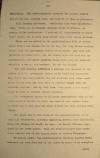
|
2.
6 May 1926.
Revolution; Capture of Bluefields,
US Consul A. J.
McConnico, Bluefields, to Sec.
State Washington D.C., p. 2.
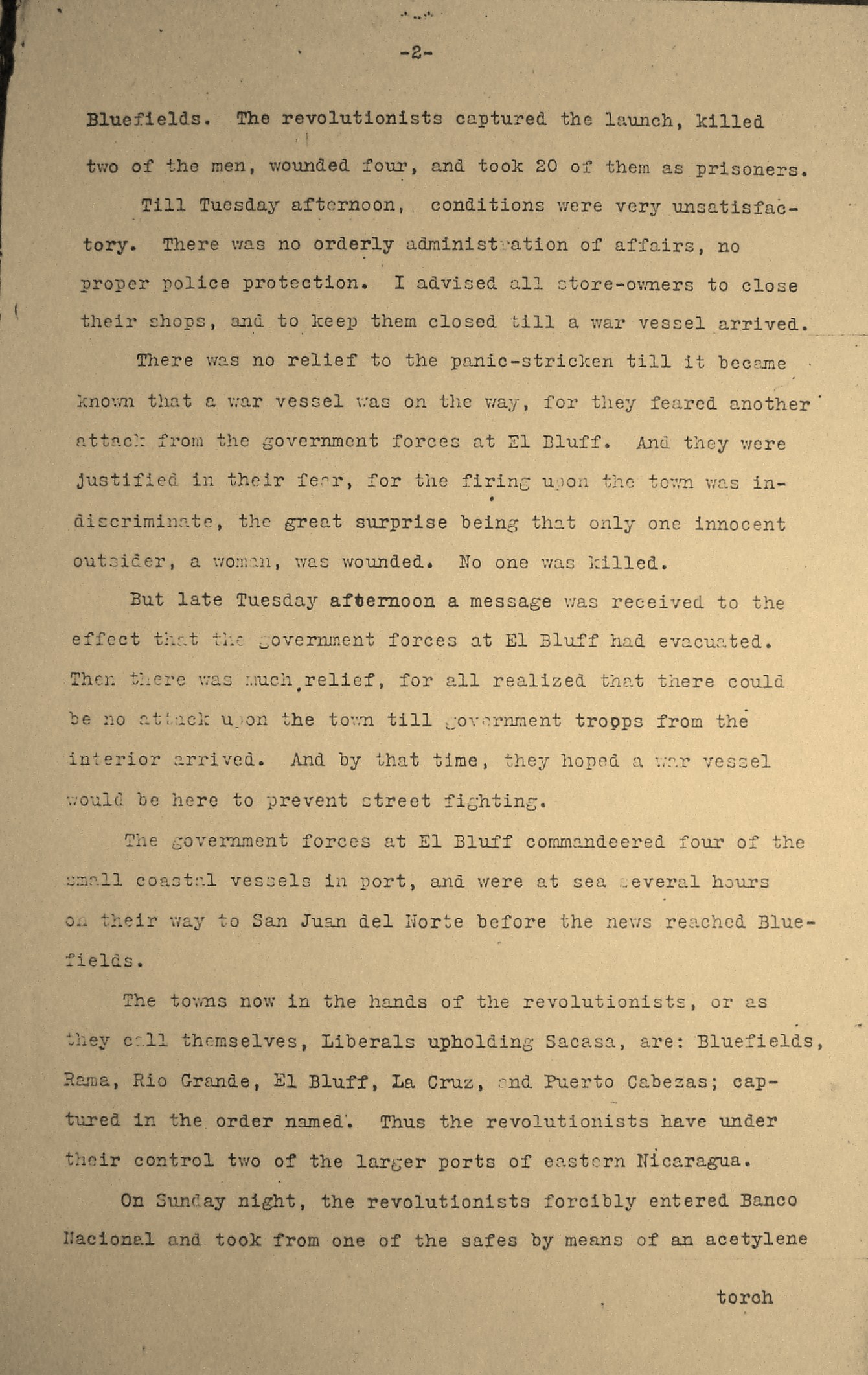
" . . .
Bluefields. The revolutionists captured
the launch, killed two of the men,
wounded four, and took 20 of them as
prisoners. ¶ Till Tuesday afternoon,
conditions were very unsatisfactory.
There was no orderly administration of
affairs, no proper police protection. I
advised all store-owners to close their
shops, and to keep them closed till a
war vessel arrived. ¶ There was no
relief to the panic-stricken till it
became known that a war vessel was on
the way, for they feared another attack
from the government forces at El Bluff.
And they were justified in their fear,
for the firing upon the town was
indiscriminate, the great surprise being
that only one innocent outsider, a
woman, was wounded. No one was killed. 
But late Tuesday afternoon a message was
received to the effect that the
government forces at El Bluff had
evacuated. Then there was much relief,
for all realized that there could be no
attack upon the town till government
troops from the interior arrived. And by
that time, they hoped a war vessel would
be here to prevent street fighting. 
The government forces at El Bluff
commandeered four of the small coastal
vessels in port, and were at sea several
hours on their way to San Juan del Norte
before the news reached Bluefields. 
The towns now in the hands of the
revolutionists, or as they call
themselves, Liberals upholding Sacasa,
are: Bluefields, Rama, Rio Grande, El
Bluff, La Cruz, and Puerto Cabezas;
captured in the order named. Thus the
revolutionists have under their control
two of the larger parts of eastern
Nicaragua. ¶ On Sunday night, the
revolutionists forcibly entered Banco
Nacional and took from one of the safes
by means of an acetylene ¶ torch . . . "
|
|
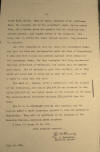
|
3.
6 May 1926.
Revolution; Capture of Bluefields,
US Consul A. J.
McConnico, Bluefields, to Sec.
State Washington D.C., p. 3.
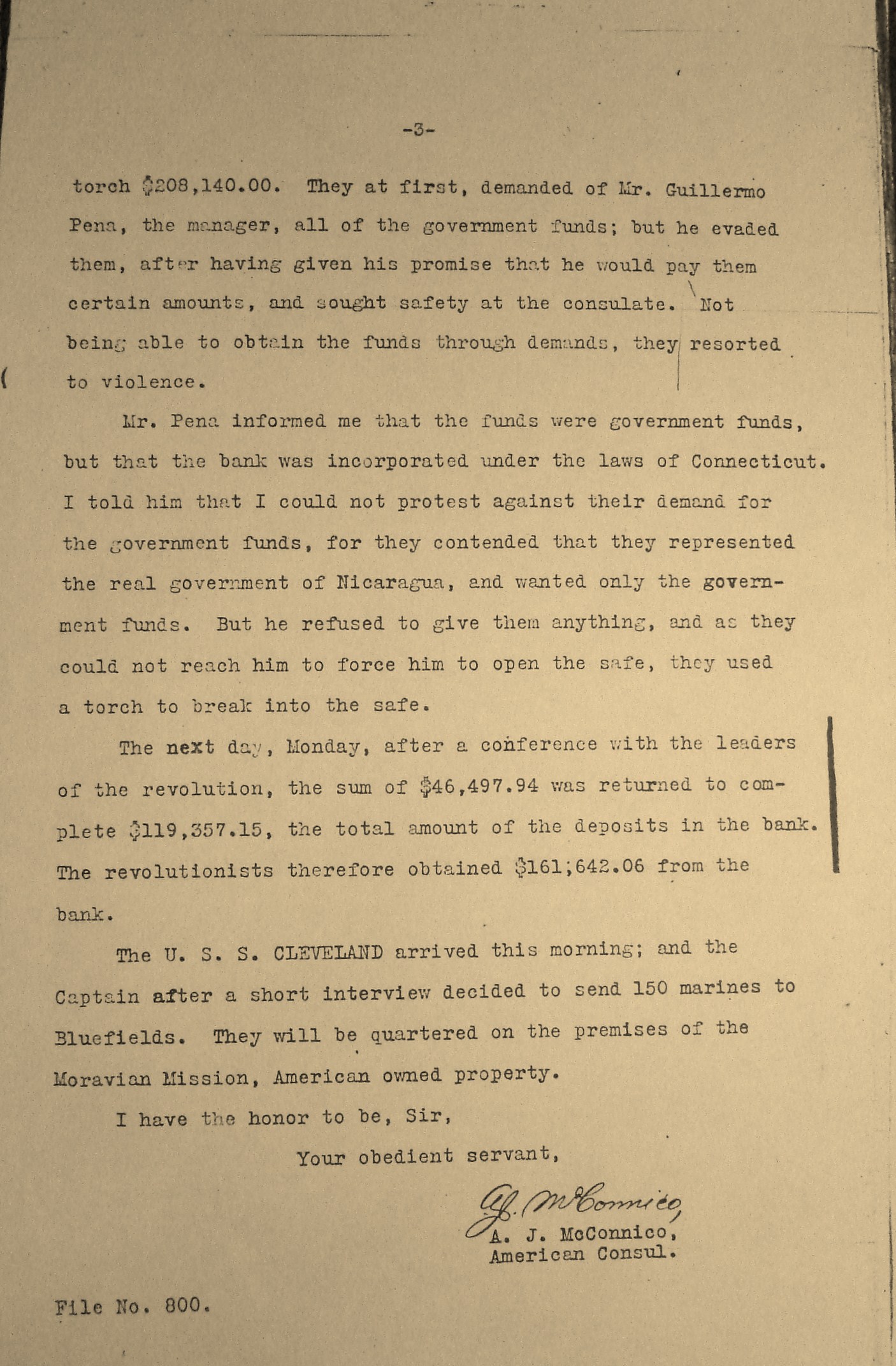
" . . . torch
$208,140.00. They at first demanded of
Mr. Guillermo Pena, the manager, all of
the government funds; but he evaded
them, after having given his promise
that he would pay them certain amounts,
and sought safety at the consulate. Not
beign able to obtain the funds through
demands, they resorted to violence. 
Mr. Pena informed me that the funds were
government funds, but that the bank was
incorporated under the laws of
Connecticut. I told him that I could not
protest against their demand for the
government funds, for they contended
that they represented the real
government of Nicaragua, and wanted only
the government funds. But he refused to
give them anything, and as they could
not reach him to force him to open the
safe, they used a torch to break into
the safe. ¶ The next day, Monday, after
a conference with the leaders of the
revolution, the sum of $46,497.94 was
returned to complete $119,357.15, the
total amount of the deposits in the
bank. The revolutionists therefore
obtained $161,642.06 from the bank. 
The U.S.S. CLEVELAND arrived this
morning; and the captain after a short
interview decided to send 150 marines to
Bluefields. They will be quartered on
the premises of the Moravian Mission,
American owned property. ¶ I have the
honor to be, Sir, ¶ Your obedient
servant ¶ /s/ A. J.
McConnico"
|
|
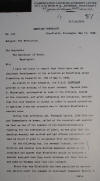
|
13 May 1926.
"The Revolution," Telegram from
US Consul A. J.
McConnico, Bluefields, to the
Secretary of State, Washington D.C., p.
1.
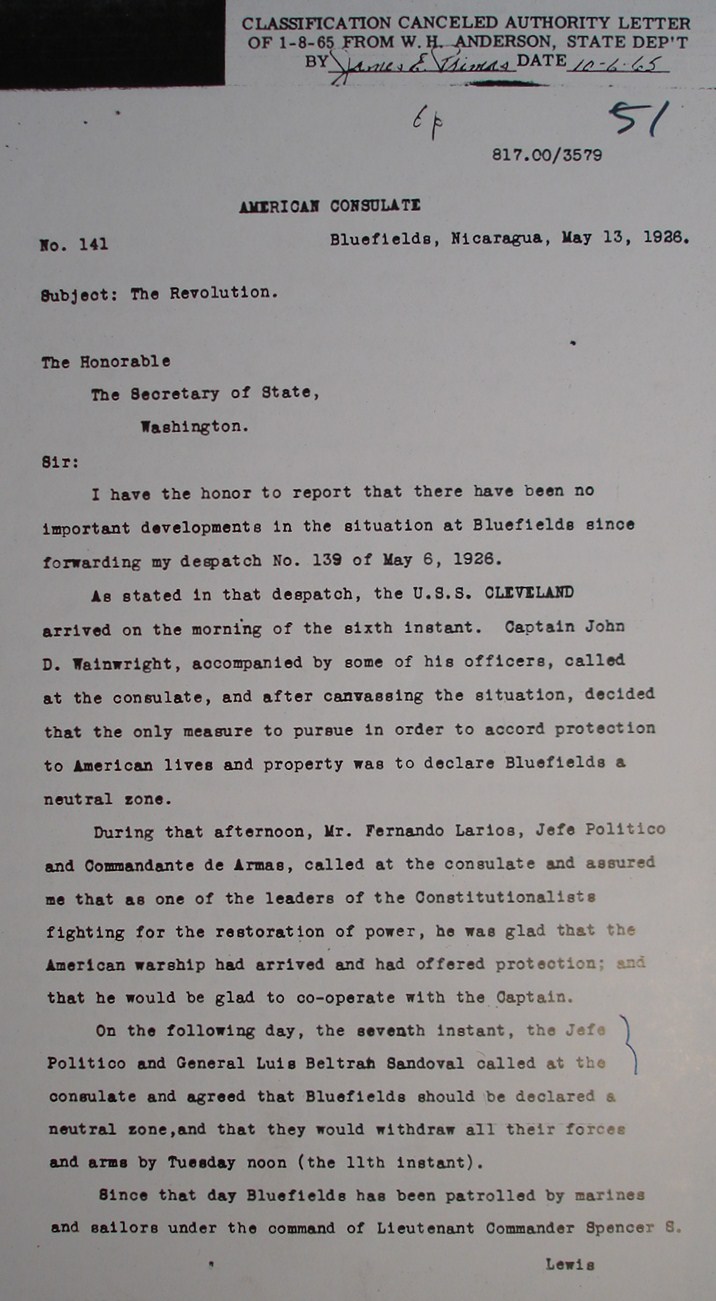
"I have the honor
to report that there have been no
important developments in the situation
at Bluefields since forwarding my
despatch No. 139 of May 6, 1926. ¶ As
stated in that despatch, the U.S.S.
CLEVELAND arrived on the morning of the
sixth instant. Captain John D.
Wainwright, accompanied by some of his
officers, called at the consulate, and
after canvassing the situation, decided
that the only measure to pursue in order
to accord protection to American lives
and property was to declare Bluefields a
neutral zone. ¶ During that afternoon,
Mr. Fernando Larios, Jefe Politico and
Commandante de Armas, called at the
consulate and assured me that as one of
the leaders on the Constitutionalists
fighting for the restoration of power,
he was glad that the American warship
had arrived and had offered protection;
and that he would be glad to co-operate
with the Captain. ¶ On the following
day, the seventh instant, the Jefe
Politico and General Luis Beltran
Sandoval called at the consulate and
agreed the Bluefields should be declared
a neutral zone, and that they would
withdraw all their forces and arms by
Tuesday noon (the 11th instant). ¶ Since
that day Bluefields has been patrolled
by marines and sailors under the command
of Lieutenant Commander Spencer S. 
Lewis . . . "
|
|
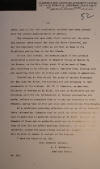
|
13 May 1926.
"The Revolution," Telegram from
US Consul A. J.
McConnico, Bluefields, to the
Secretary of State, Washington D.C., p.
2.
" . . .
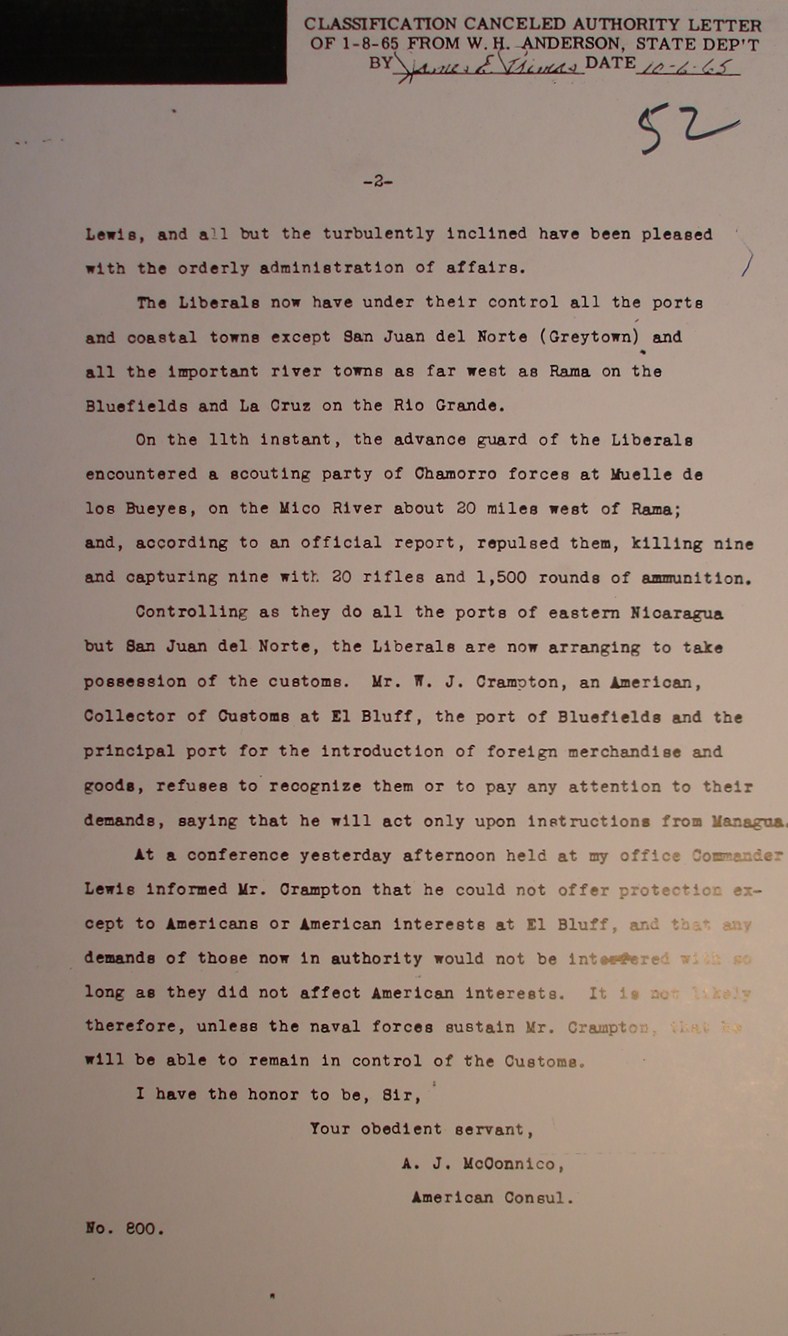
Lewis, and all but the turbulently
inclined have been pleased with the
orderly administration of affairs. ¶ The
Liberals now have under their control
all the ports and coastal towns except
San Juan del Norte (Greytown) and all
the important river towns as far west as
Rama on the Bluefields and La Cruz on
the Rio Grande. ¶ On the 11th instant,
the advance guard of the Liberals
encountered a scouting party of Chamorro
forces at Muelle de los Bueyes, on the
Mico River about 20 miles west of Rama;
and, according to an official report,
repulsed them, killing nine and
capturing nine with 20 rifles and 1,500
rounds of ammunition. ¶ Controlling as
they do all the ports of eastern
Nicaragua but San Juan del Norte, the
Liberals are now arranging to take
possession of the customs. Mr. W. J.
Crampton, an American, Collector of
Customs at El Buff, the port of
Bluefields and the principal port for
the introduction of foreign merchandise
and goods, refuses to recognize them or
to pay any attention to their demands,
saying that he will act only upon
instructions from Managua. ¶ At a
conference yesterday afternoon held at
my office, Commander Lewis informed Mr.
Crampton that he could not offer
protection except to Americans or
American interests at El Buff, and that
any demands of those now in authority
would be interfered with so long as they
did not affect American interests. It is
not likely therefore, unless the naval
forces sustained Mr. Crampton, that he
will be able to remain in control of the
Customs. ¶ I have the honor to be, Sir,
¶ Your obedient servant, ¶ A. J.
McConnico, ¶ American Consul. ¶ No.
800."
|
|
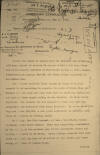
|
25 May 1926.
Telegram from US
Consul A. J. McConnico,
Bluefields, to the Secretary of State,
Washington D.C., p. 1.
"I have the honor
to report that the Liberals who gained
military control of eastern Nicaragua
within a few days after the
revolutionary outbreak on May 2, 1926,
became demoralized, on Sunday, May 23,
and their troops dispersed in all
directions. ¶ The leaders effected their
escape by means of coastal vessels bound
according to reports, to ports of Costa
Rica and Panama; but the rank and file
were left to shift for themselves and
most of them sought safety in the
forests. In their hasty departure, the
leaders did not neglect to take them
with the unexpended sum extracted from
Banco Nacional. It is reported that they
had about $80,000, a sum quite
sufficient to maintain them while on
vacations in foreign lands. ¶ On Friday,
the 21st instant, at Rama, the Liberal
troops sustained their first defeat.
They were completely overwhelmed by the
firing of the machine guns of the
government forces and hastily retreated
to El Bluff. Their leaders asserted that
they could withstand any kind of an
attack at this point, and began making
all kinds of preparations. ¶ Captain . .
. "
|
|
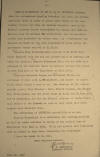
|
25 May 1926.
Telegram from US
Consul A. J. McConnico,
Bluefields, to the Secretary of State,
Washington D.C., p. 2.
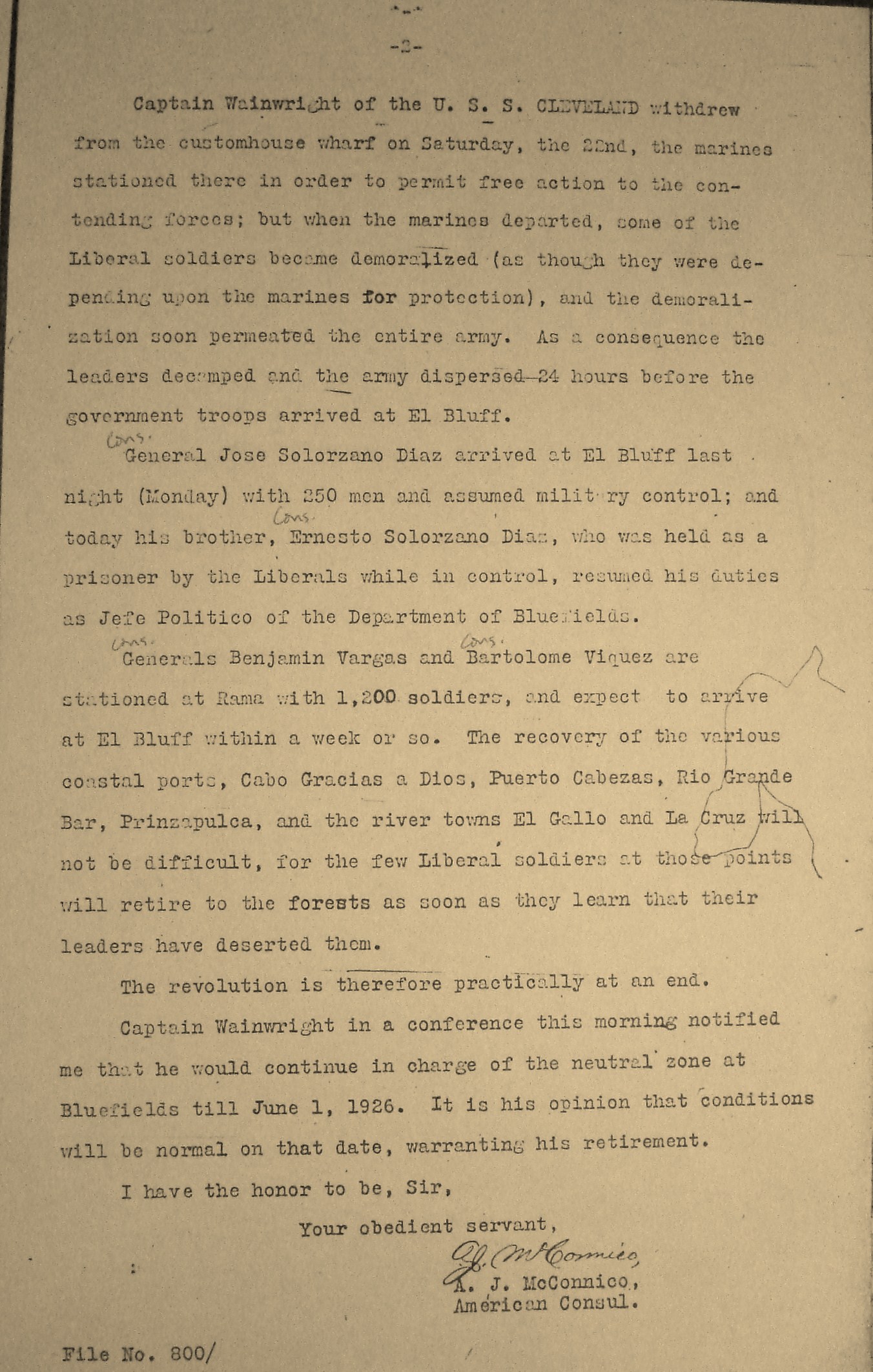
" . . . Captain
Wainwright of the U.S.S. CLEVELAND
withdrew from the customhouse wharf on
Saturday, the 22nd, the marines
stationed there in order to permit free
action to the contending forces; but
when the marines departed, some of the
Liberal soldiers became demoralized (as
though they were depending upon the
marines for protection), and the
demoralization soon permeated the entire
army. As a consequence the leaders
decamped and the army dispersed 24 hours
before the government troops arrived at
El Bluff. ¶ General Jose Solorzano Diaz
arrived at El Bluff last night (Monday)
with 250 men and assumed military
control; and today his brother, Ernesto
Solorzano Diaz, who was held as a
prisoner by the Liberals while in
control, resumed his duties as Jefe
Politico of the Department of
Bluefields. ¶ Generals Benjamin Vargas
and Bartolome Viquez are stationed at
Rama with 1,200 soldiers, and expect to
arrive at El Bluff within a week or so.
The recovery of the various coastal
ports, Cabo Gracias a Dios, Puerto
Cabezas, Rio Grande Bar, Prinzapulca,
and the river towns El Gallo and La Cruz
will not be difficult, for the few
Liberal soldiers at those points will
retire to the forests as soon as they
learn that their leaders have deserted
them. ¶ The revolution is therefore
practically at an end. ¶ Captain
Wainwright in a conference this morning
notified me that he would continue in
charge of the neutral zone at Bluefields
till June 1, 1926. It is his opinion
that conditions will be normal on that
date, warranting his retirement. ¶ I
have the honor to be, Sir, ¶ Your
obedient servant, ¶ /s/ A. J. McConnico,
American Consul."
|
|
|
29 May 1926.
Telegram from US
Consul A. J. McConnico,
Bluefields, to the Secretary of State,
Washington D.C., p. 1.
"American citizens
here are unanimous in requesting that
naval forces be retained in control of
Bluefields for the protection of their
lives and property as well as those
non-combatants till conditions become
normal. They fear reprisals of
reconstruction by the government troops
as much as the evils incident to warfare
knowing from experience that their lives
and property will not be respected
without the restraining influence of the
naval forces. Intense factional
bitterness prevails, declarations of
reprisals are general, including threats
against several American citizens. In my
opinion the withdrawal of the naval
forces at this time will result in loss
of life and the destruction of
property."
|
|
|
23 June 1926.
Letter from
unknown (34 yr resident on the
Coast) to Mr. William L. McKee,
Treasurer, A. W. Tedcastle Company,
Boston MA, p. 1.
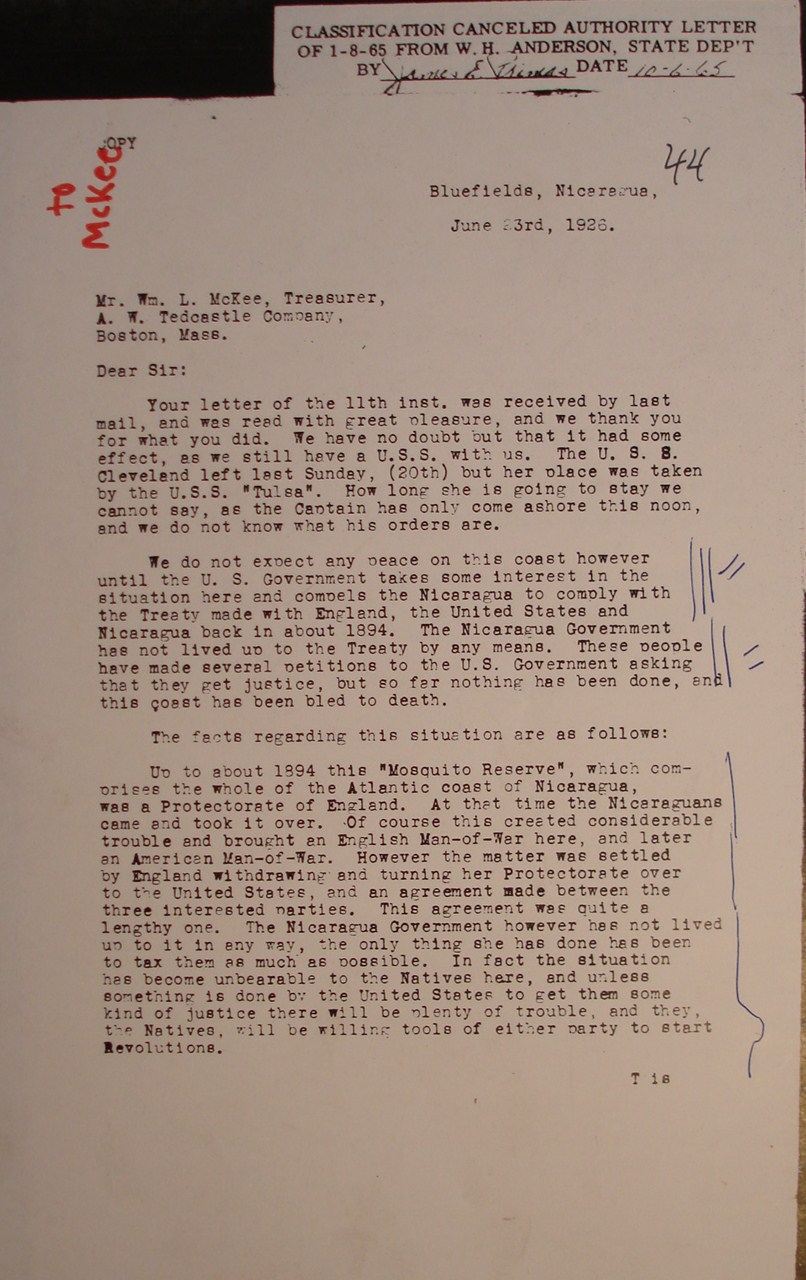
"Dear Sir: 
Your letter of the 11th inst. was
received by last mail, and was read with
great pleasure, and we thank you for
what you did. We have no doubt but that
it had some effect, as we still have a
U.S.S. with us. The U. S. S. Cleveland
left last Sunday, (20th) but her place
was taken by the U.S.S. “Tulsa”. How
long she is going to stay we cannot say,
as the Captain has only come ashore this
noon, and we do not know what his orders
are. ¶ We do not except any peace on
this coast however until the U. S.
Government takes some interest in the
situation here and compels the Nicaragua
to comply with the Treaty made with
England, the United States and Nicaragua
back in about 1894. The Nicaragua
Government has not lived up to the
Treaty by any means. These people have
made several petitions to the U.S.
Government asking that they get justice,
but so far nothing has been done, and
this coast had been bled to death. ¶ The
facts regarding this situation are as
following: ¶ Up to about 1894 this
“Mosquito Reserve”, which compromises
the whole of the Atlantic coast of
Nicaragua, was a Protectorate of
England. At that time the Nicaraguans
came and took it over. Of course this
created considerable trouble and brought
an English Man-of-War here, and later an
American Man-of-War. However the matter
was settled by England withdrawing and
turning her Protectorate over to the
United States, and an agreement made
between the three interested parties.
This agreement was quite a lengthy one.
The Nicaragua Government however has not
lived up to it in any way, the only
thing she has done has been to tax them
as much as possible. In fact the
situation has become unbearable to the
Natives here, and unless something is
done by the United States to get them
some kind of justice there will be
plenty of trouble, and they, the
Natives, will be willing tools of either
party to start Revolutions. . . . "
|
|
|
23 June 1926.
Letter from
unknown (34 yr resident on the
Coast) to Mr. William L. McKee,
Treasurer, A. W. Tedcastle Company,
Boston MA, p. 2.
" . . . 
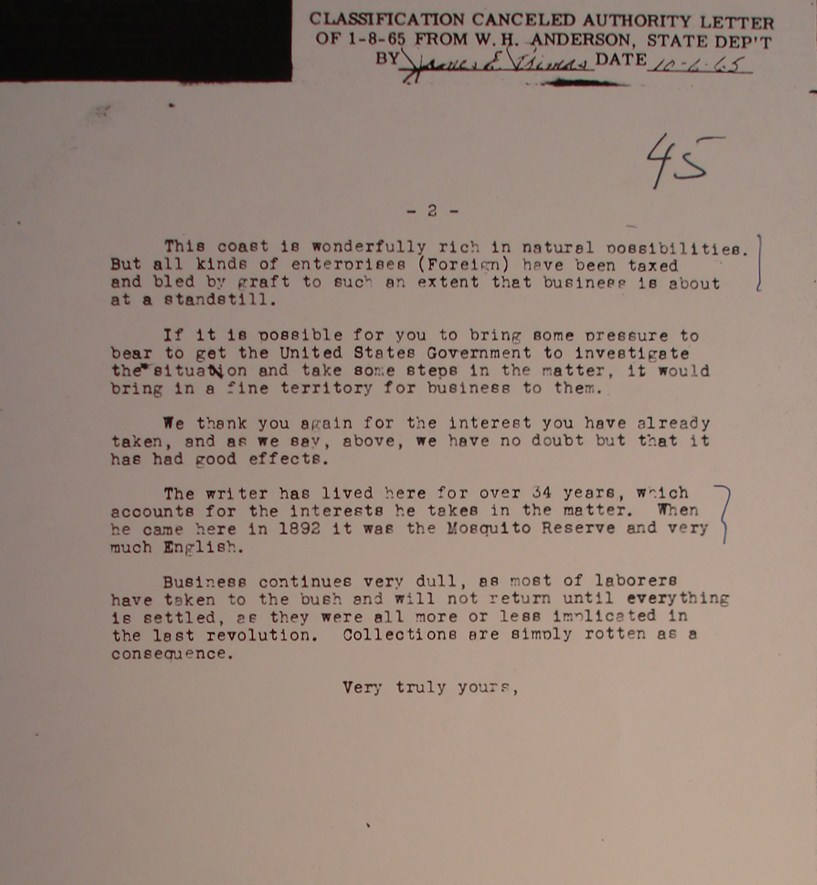
This coast is wonderfully rich in
natural possibilities. But all kinds of
enterprises (Foreign) have been taxed
and bled by graft to such an extent that
business is about at a standstill. ¶ If
it is possible for you to bring some
pressure to bear to get the United
States Government to investigate the
situation and take some steps in the
matter, it would bring in a fine
territory for business to them. ¶ We
thank you again for the interest you
have already taken, and as we say,
above, we have no doubt but that it has
had good effects. ¶ The writer has lived
here for over 34 years, which accounts
for the interests he takes in the
matter. When he came here in 1892 it was
the Mosquito Reserve and very much
English. ¶ Business continues very dull,
as most of laborers have taken to the
bush and will not return until
everything is settled, as they were all
more or less implicated in the last
revolution. Collections are simply
rotten as a consequence. ¶ Very truly
yours, . . ."
|
|
|
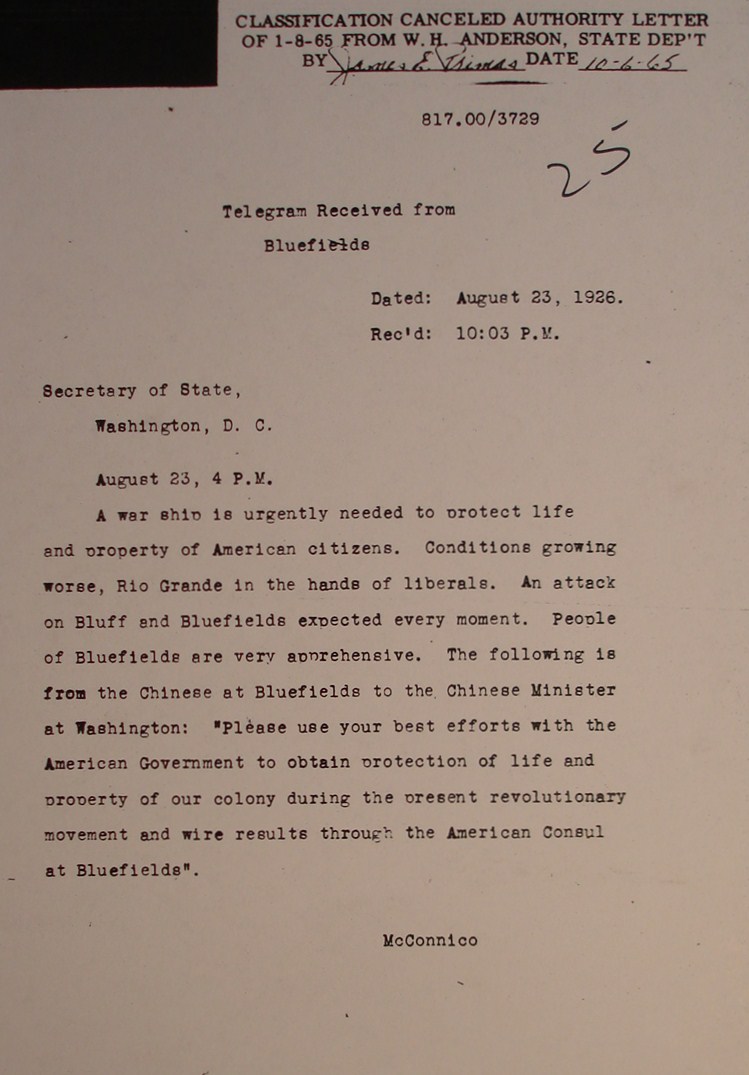
23 August 1926.
Telegram from US
Consul A. J. McConnico,
Bluefields, to the Secretary of State,
Washington D.C.
"A war ship
is urgently needed to protect life and
property of American citizens.
Conditions growing worse, Rio Grande in
the hands of liberals. An attack on
Bluff and Bluefields expected every
moment. People of Bluefields are very
apprehensive. The following is from the
Chinese at Bluefields to the Chinese
Minister at Washington: “Please use your
best efforts with the American
Government to obtain protection of life
and property of our colony during the
present revolutionary movement and wire
results through the American Consul at
Bluefields."
|
|
|
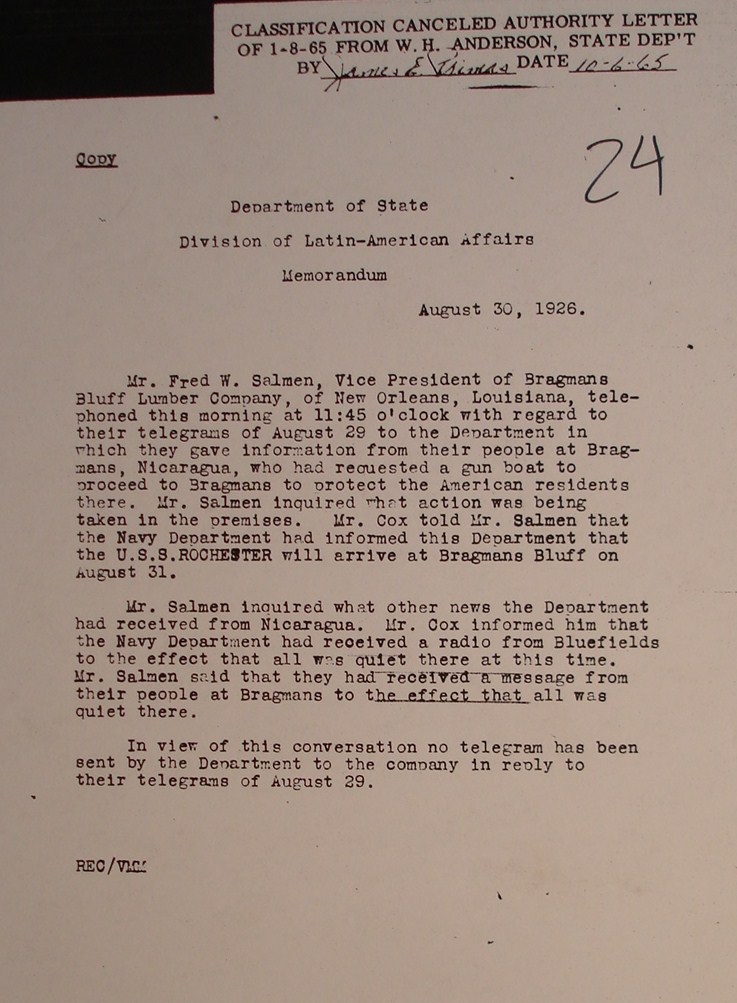
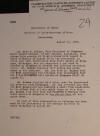
30 August 1926.
Memorandum by
REC, Division of Latin-American
Affairs, Dept. of State, re conversation
with Mr. Fred W. Salmen, Vice President
of Bragmans Bluff Lumber Co.
"Mr. Fred W.
Salmen, Vice President of Bragmans Bluff
Lumber Company, of New Orleans,
Louisiana, telephoned this morning at
11:45 o’clock with regard to their
telegrams of August 29 to the Department
in which they gave information from
their people at Bragmans, Nicaragua, who
requested a gun boat to proceed to
Bragmans to protect the American
residents there. Mr. Salmen inquired
what action was being taken in the
premises. Mr. Cox told Mr. Salmen that
the Navy Department had informed this
Department that the U.S.S ROCHESTER will
arrived at Bragmans Bluff on August 31.
¶ Mr. Salmen inquired what other news
the Department had received from
Nicaragua. Mr. Cox informed him that the
Navy Department had received a radio
from Bluefields to the effect that all
was quiet there at this time. Mr. Salmen
said that they had received a message
from their people at Bragmans to the
effect that all was quiet there. ¶ In
view of the conversation no telegram has
been sent by the Department to the
company in reply to their telegrams of
August 29."
|
|
|
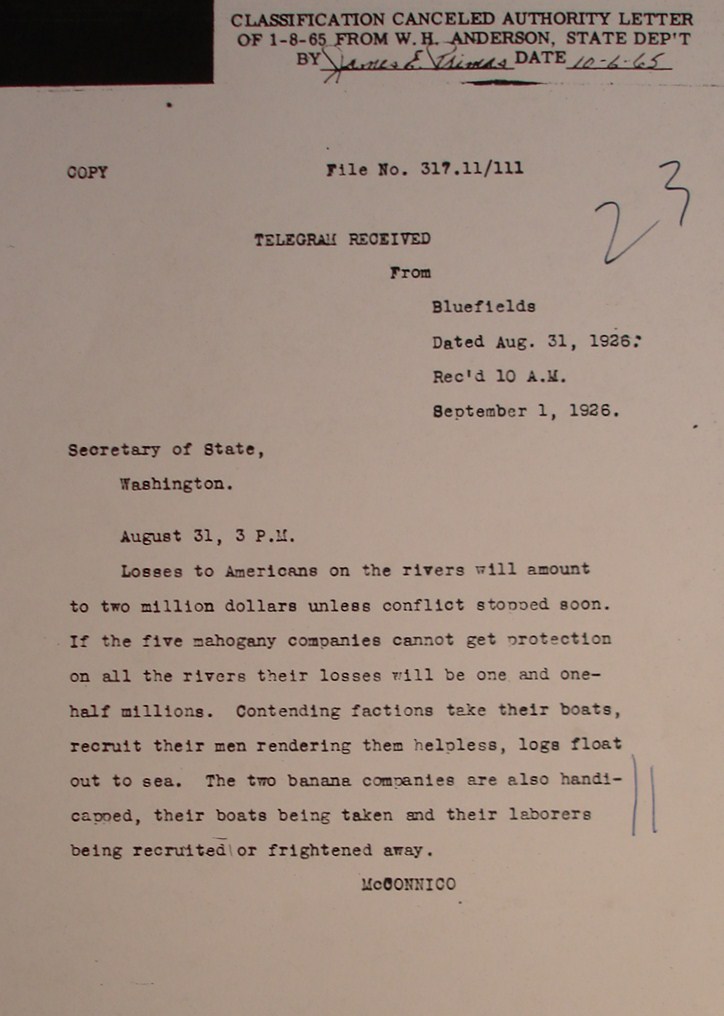
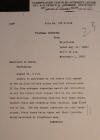
31 August 1926. (3:00 PM)
Telegram from US
Consul A. J. McConnico,
Bluefields, to the Secretary of State,
Washington D.C.
"Losses to
Americans on the rivers will amount to
two million dollars unless conflict
stopped soon. If the five mahogany
companies cannot get protection on all
the rivers their losses will be one and
one-half millions. Contending factions
take their boats, recruit their men
rendering them helpless, logs float out
to sea. The two banana companies are
also handicapped, their boats being
taken and their laborers being recruited
or frightened away."
|
|
|
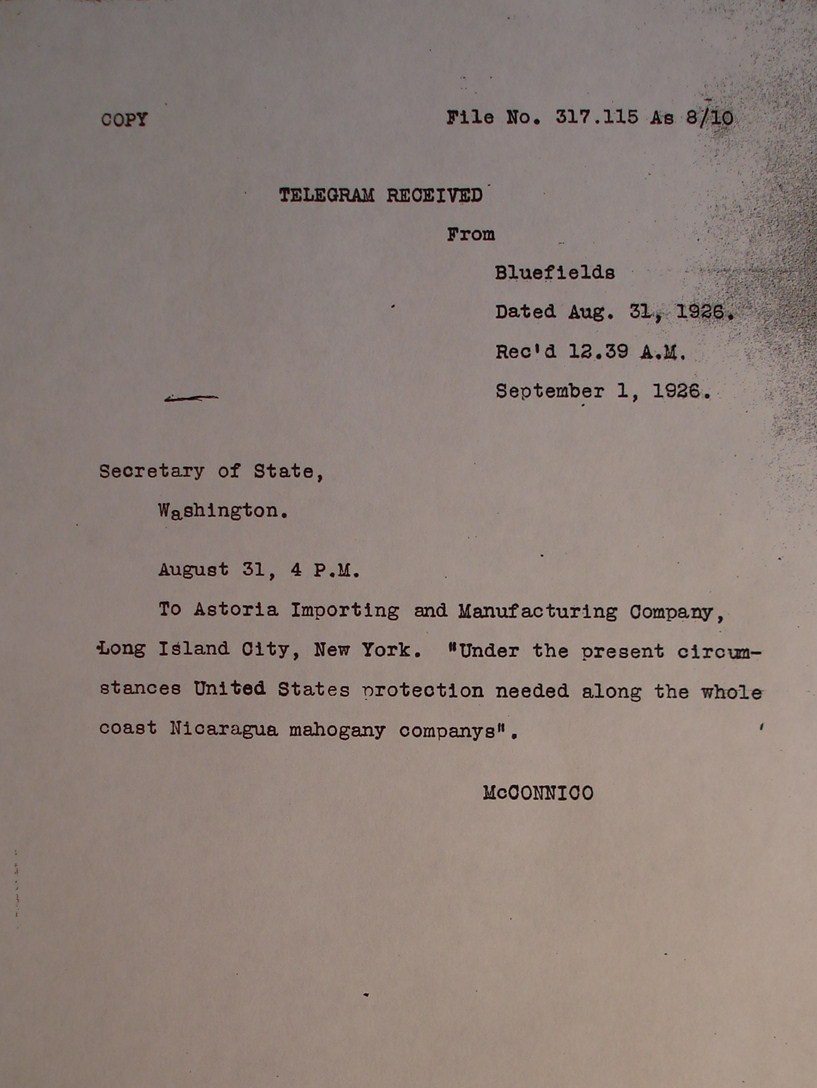
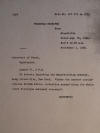
31 August 1926. (4:00 PM)
Telegram from US
Consul A. J. McConnico,
Bluefields, to the Secretary of State,
Washington D.C.
"To Astoria
Importing and Manufacturing Company,
Long Island City, New York. "Under the
present circumstances United States
protection needed along the whole coast
Nicaragua mahogany companys".
|
|
|
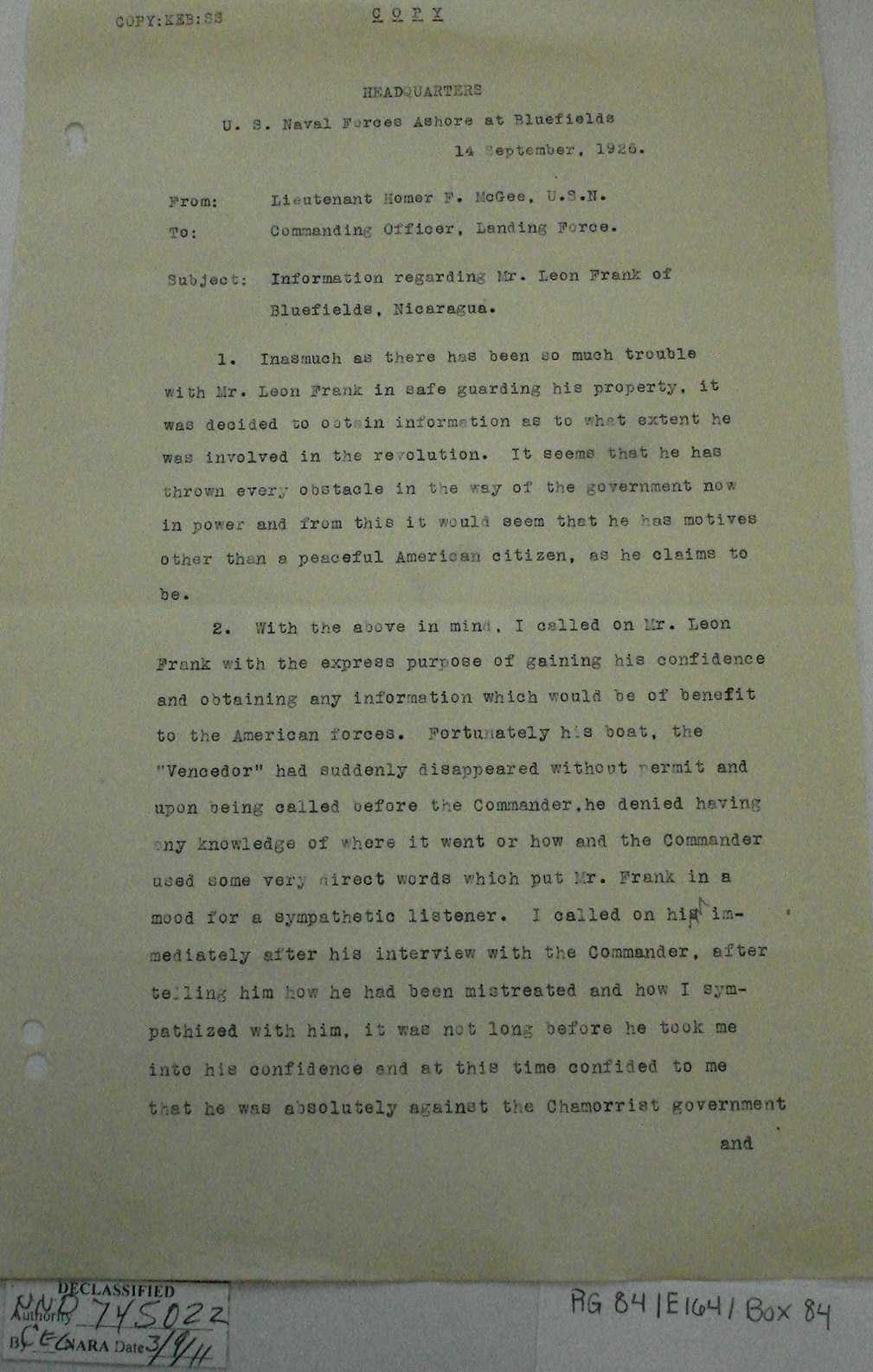
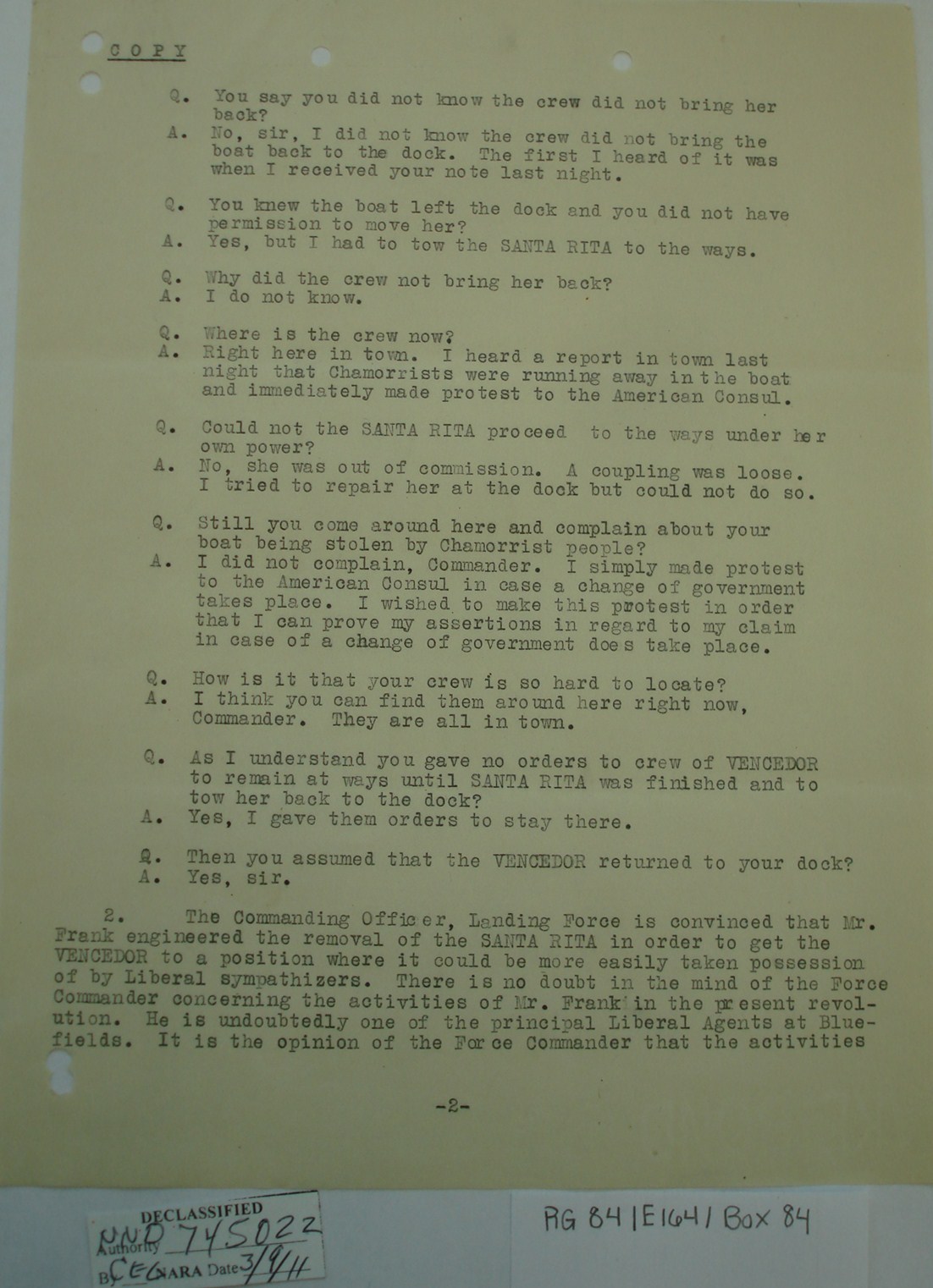
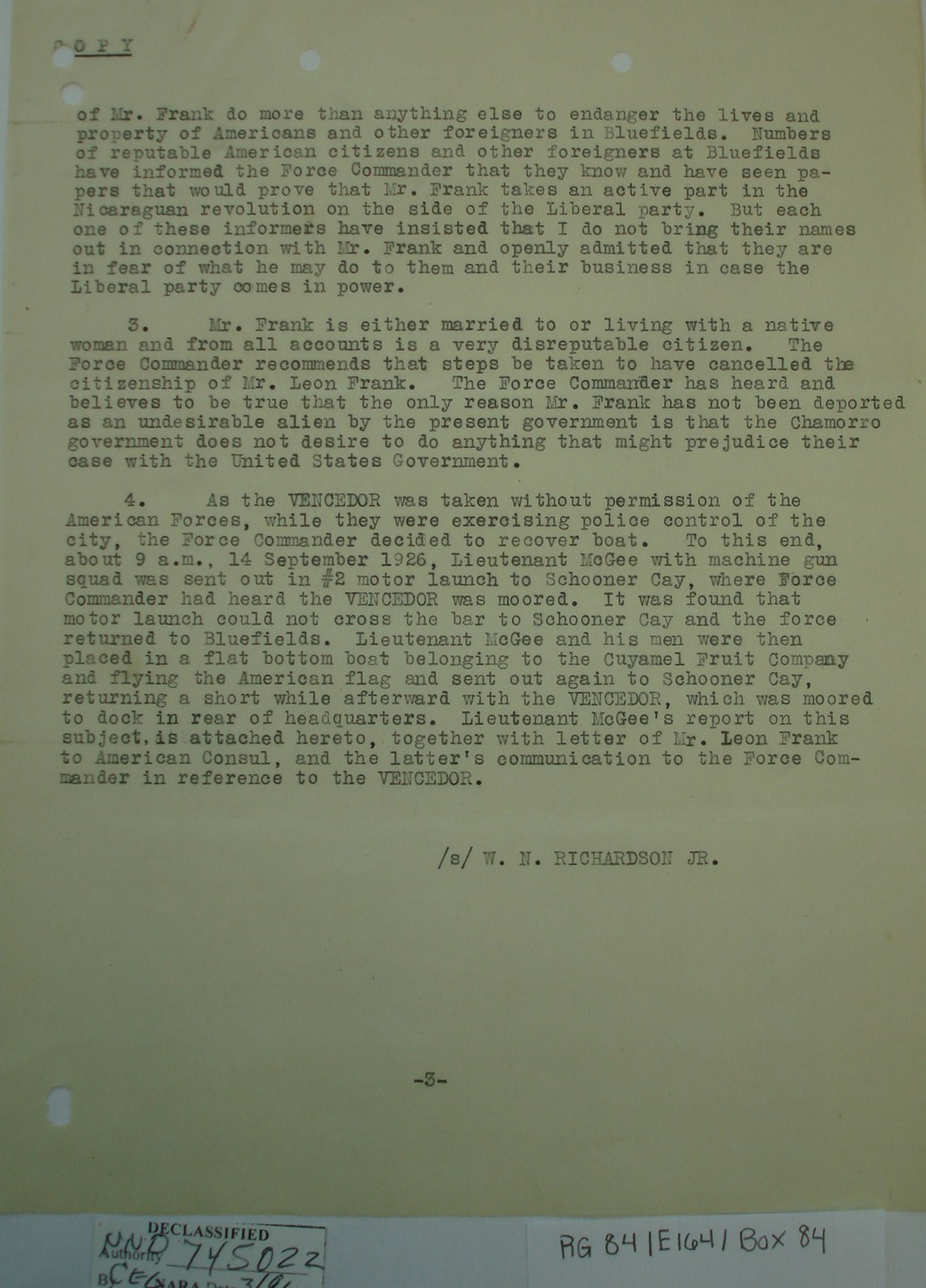
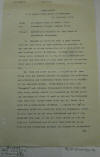
1.
4 September 1926.
Information regarding Mr. Leon Frank of
Bluefields, Nicaragua, from
Lt. Homer F.
McGee, USN, to Commanding
Officer, Landing Forces, p. 1.
[NOTE:
Description of Leon
Frank from the 1932 US Electoral
Commission character sketches of
prominent individuals: "FRANK, Leon.
Liberal; Bluefields. Jew. Height 5'9",
weight 165 lbs., dark hair and eyes,
ruddy face, stocky physique. Character,
unfavorable. Manager and part owner of
the Bluefields Tanning Company of Carlos
Pasos & Company. Is married to a native
Creole and associates with the colored
race. Has many personal enemies. Has
assisted the Liberal Party with
contributions of money, provisions, and
transportation, and done everything to
block the Conservatives. Does not
cooperate with the American officials.
Is underhanded and bears watching."
(Sec. Navy Gen. Corresp., 1925-1940,
EF-49, Box 2010.)]
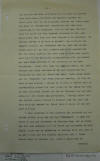
"1. Inasmuch as
there has been so much trouble with Mr.
Leon Frank in safe guarding his
property, it was decided to obtain
information as to what extent he was
involved in the revolution. It seems
that he has thrown every obstacle in the
way of the government now in power and
from this it would seem that he has
motives other than a peaceful American
citizen, as he claims to be. ¶ 2. With
the above in mind, I called on Mr. Leon
Frank with the express purpose of
gaining his confidence and obtaining any
information which would be of benefit to
the American forces. Fortunately his
boat, the "Vencedor" had suddenly
disappeared without permit and upon
being called before the Commander, he
denied having any knowledge of where it
went or how and the Commander used some
very direct words which put Mr. Frank in
a mood for a sympathetic listener. I
called on him immediately after his
interview with the Commander, after
telling him how he had been mistreated
and how I sympathized with him, it was
not long before he took me into his
confidence and at this time confided to
me that he was absolutely against the
Chamorrist government ¶ and . . . "
|
|
|
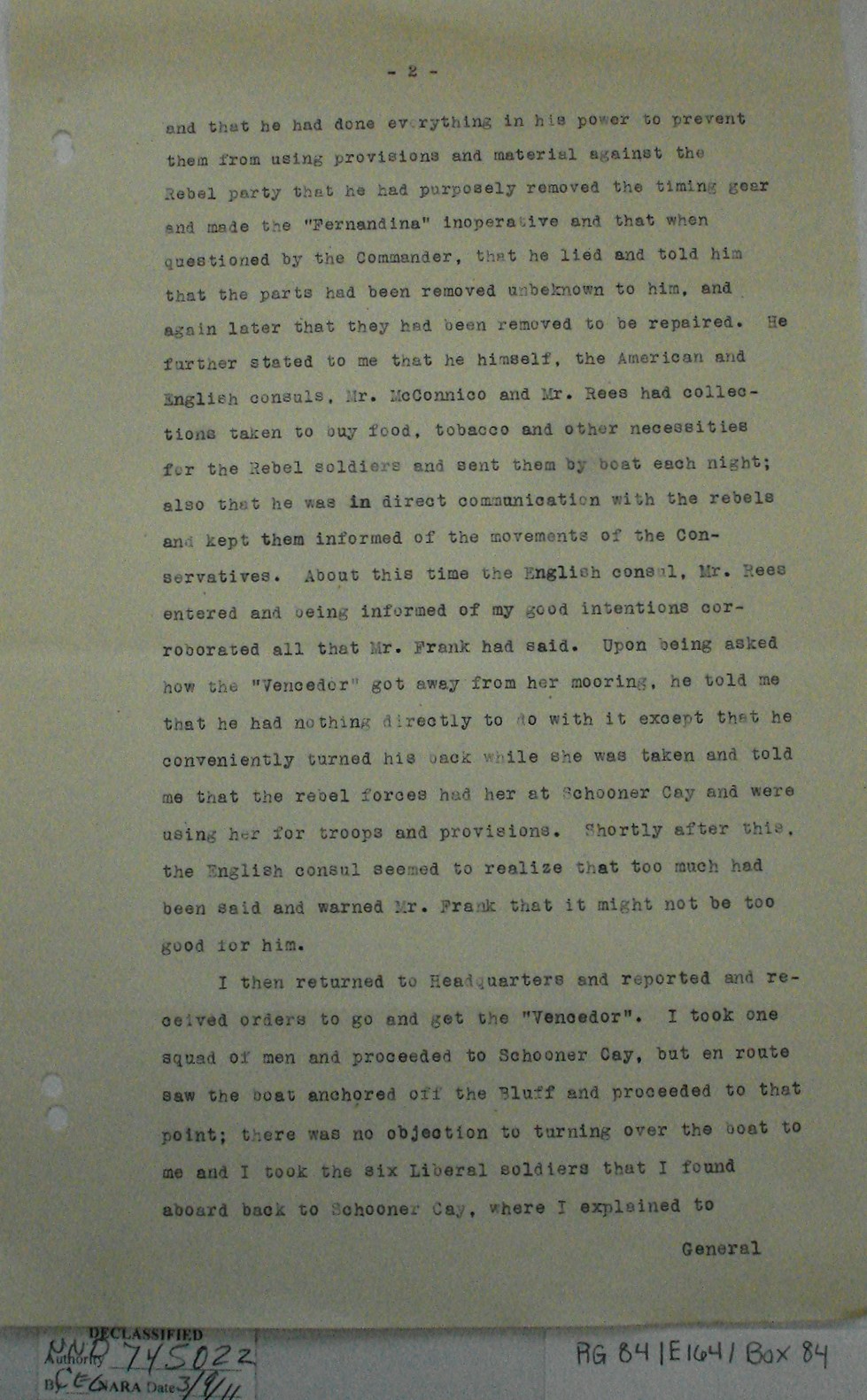
2.
14 September
1926.
Information regarding Mr. Leon Frank of
Bluefields, Nicaragua, from
Lt. Homer F.
McGee, USN, to Commanding
Officer, Landing Forces, p. 2.
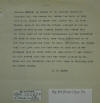
". . . and that he
had done everything in his power to
prevent them from using provisions and
material against the Rebel party, that
he had purposely removed the timing gear
and made the “Fernandina” inoperative,
and that when questioned by the
Commander, that he lied and told him
that the parts had been removed unknown
to him, and again later that they had
been removed to be repaired. He further
stated to me that he himself, the
American and English consuls. Mr.
McConnico and Mr. Rees had collections
taken to buy food, tobacco and other
necessities for the Rebel soldiers and
sent them by boat each night; also that
he was in direct communication with the
rebels and kept them informed of the
movements of the Conservatives. About
this time the English consul, Mr. Rees
entered and being informed of my good
intentions corroborated all that Mr.
Frank had said. Upon being asked how the
“Vencedor” got away from her mooring, he
told me that he had nothing directly to
do with it except that he conveniently
turned his back while she was taken and
told me that the rebel forces had her at
Schooner Cay and were using her for
troops and provisions. Shortly after
this, the English consul seemed to
realize that too much had been said and
warned Mr. Frank that it might not be
too good for him. ¶ I then returned to
Headquarters and reported and received
orders to go and get the “Vencedor”. I
took one squad of men and proceeded to
Schooner Cay, but en route saw the boat
anchored off the Bluff and proceeded to
that point; there was no objection to
turning over the boat to me and I took
the six Liberal soldiers that I found
aboard back to Schooner Cay, where I
explained to ¶ General . . ."
|
|
|
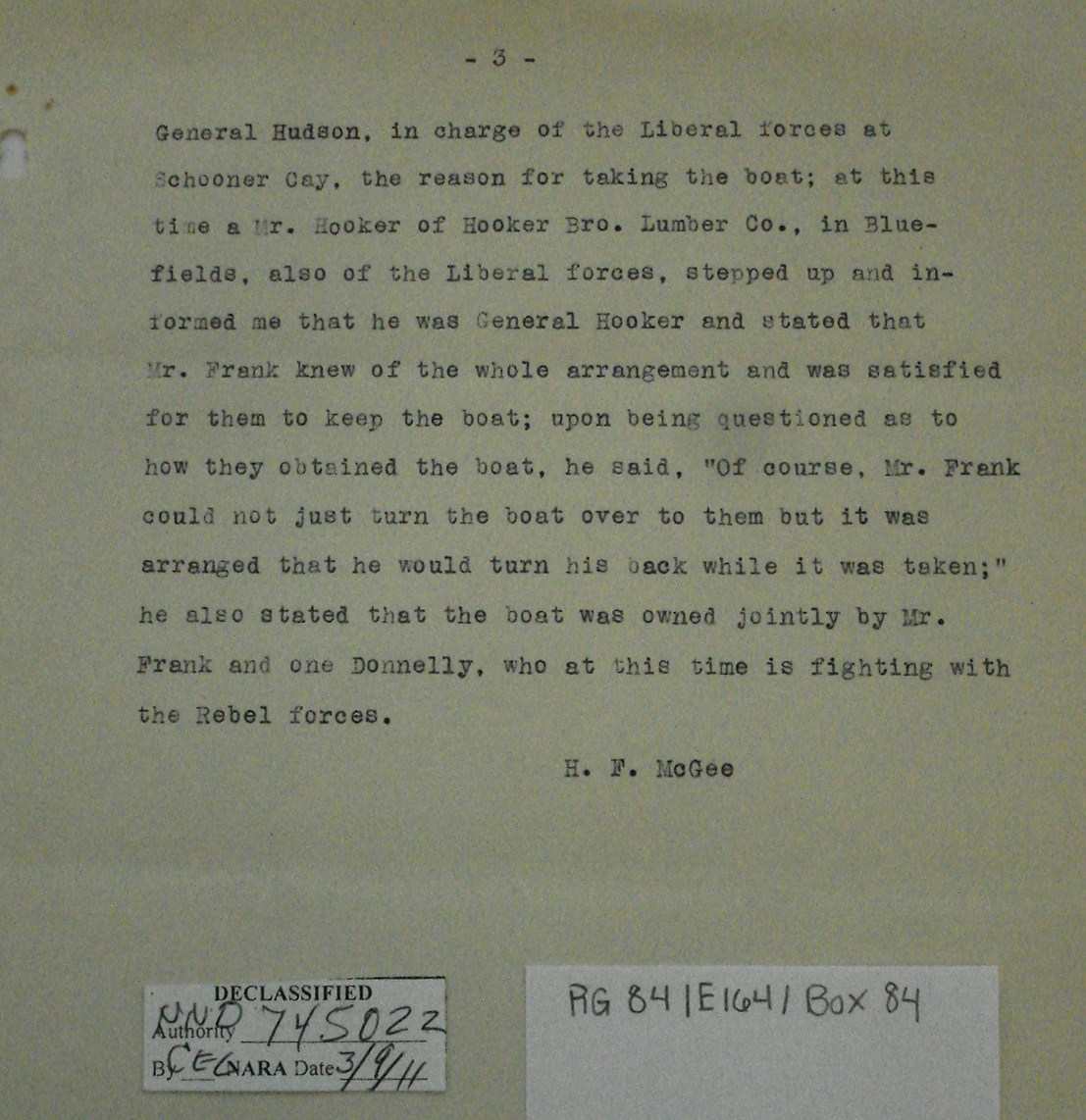
3. 14 September
1926.
Information regarding Mr. Leon Frank of
Bluefields, Nicaragua, from
Lt. Homer F.
McGee, USN, to Commanding
Officer, Landing Forces, p. 2.
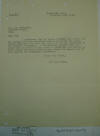
" . . . General
Hudson [Hodgson], in charge of the
Liberal forces at Schooner Cay, the
reason for taking the boat; at this time
a Mr. Hooker of Hooker Bro. Lumber Co.
in Bluefields, also of the Liberal
forces, stepped up and informed me that
he was General Hooker and stated that
Mr. Frank knew of the whole arrangement
and was satisfied for them to keep the
boat; upon being questioned as to how
they obtained the boat, he said, “Of
course, Mr. Frank could not just turn
the boat over to them but it was
arranged that he would turn his back
while it was taken;” he also stated that
the boat was owned jointly by Mr. Frank
and one Donnelly, who at this time is
fighting with the Rebel forces."
|
|
|
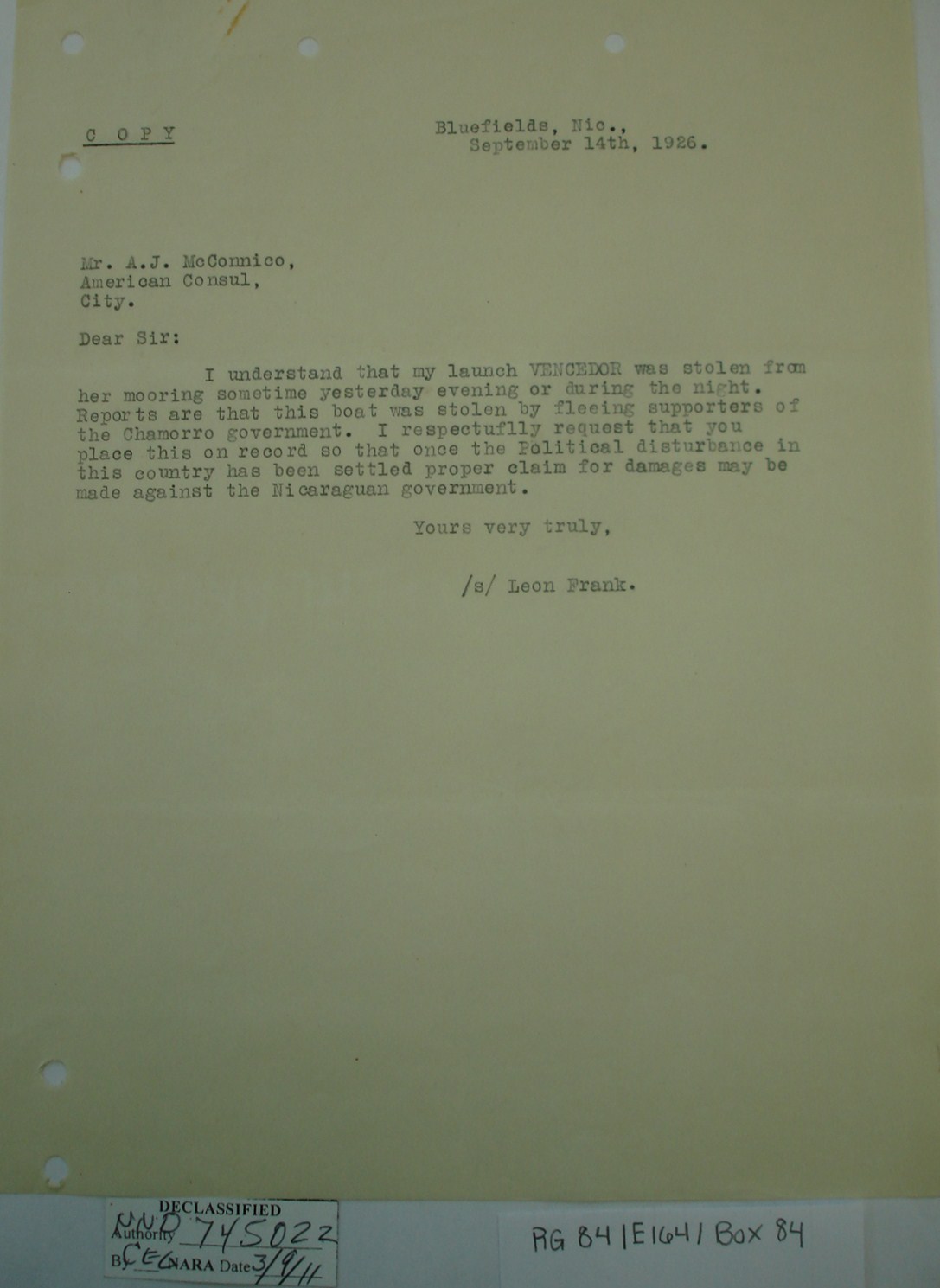
14 September 1926.
Letter from Leon
Frank, Bluefields, to US Consul
A. J. McConnico, Bluefields.
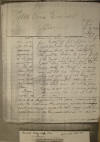
"Dear Sir: 
I understand that my launch VENCEDOR was
stolen from her mooring sometime
yesterday evening or during the night.
Reports are that this boat was stolen by
fleeing supporters of the Chamorro
government. I respectfully request that
you place this on record so that once
the Political disturbance in this
country has been settled proper claim
for damages may be made against the
Nicaraguan government. ¶ Yours very
truly, ¶ /s/ Leon Frank."
|
|
|
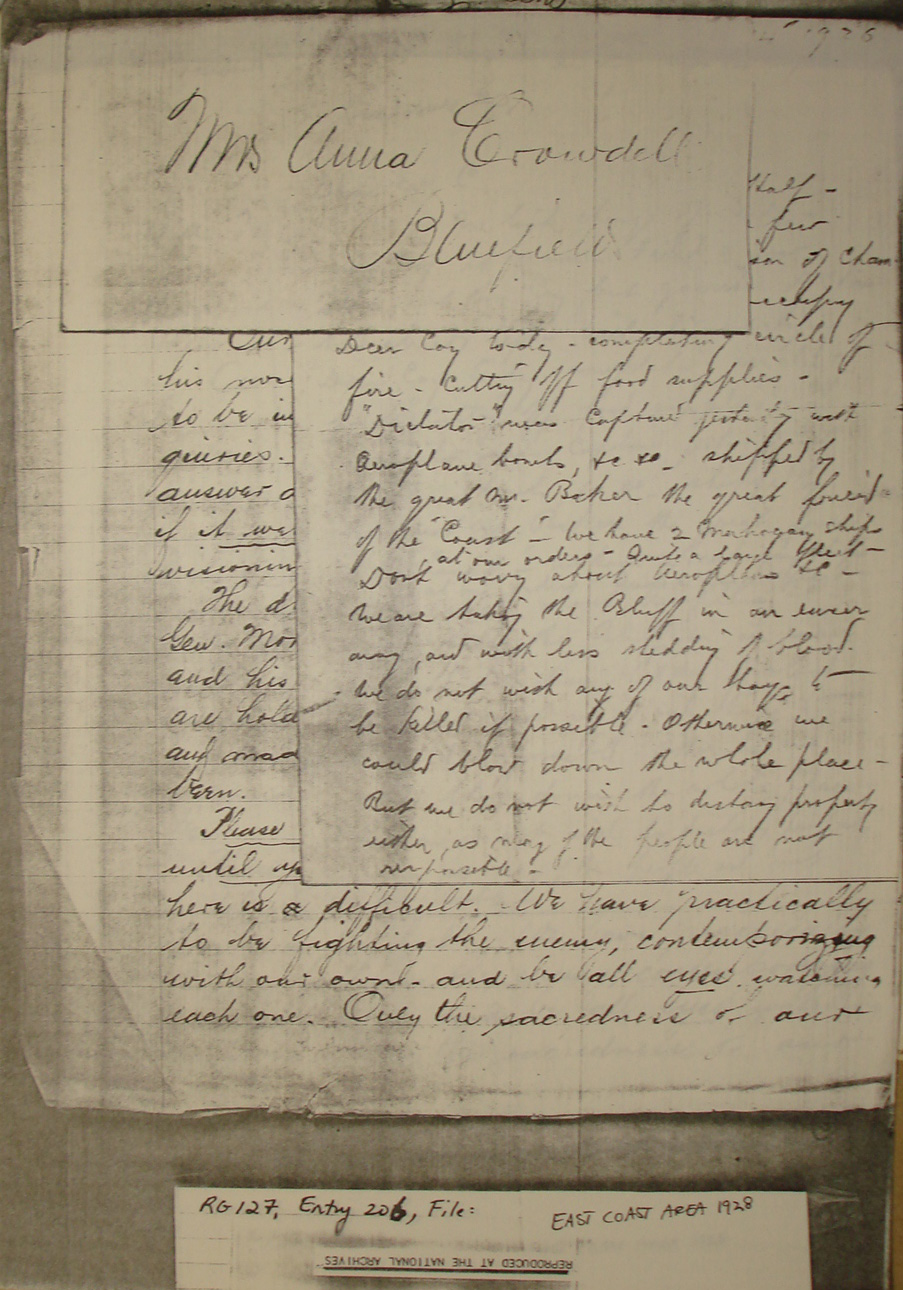
14 September 1926.
Letter from J.
Oliver Thomas, Schooner, Cay
Station, to Mrs. Anna Crowdell,
Bluefields (photocopy of envelope, part
of Anna Crowdell Papers). [NOTE:
In the words of historian David C.
Brooks, Mrs. Anna Crowdell was a
"prominent Bluefields Creole who had
sympathized with the Conservatives in
the past, but by 1926 had swung over to
the Liberals' side. Crowdell was the
daughter of an [Austrian] sea captain
and a Creole woman from Bluefields. By
the time of the intervention [in early
1927], she was in her fifties and had
achieved a kind of informal position, as
Charles Hale has put it, as the grande
dame of Bluefields' Creole society
[Hale, Resistance and Contradiction, p.
84, fn. 59]. Part of her influence
derived from her connection with the
British. She owned the main hotel in
Bluefields where the towns British
Consul, Owen Rees, made his residence.
Crowdell cultivated a very close
personal and political relationship with
Rees. In addition, Mrs. Crowdell used
her hotel for civic purposes, sponsoring
social and cultural evenings for members
of Bluefields' Creole community. Using
her business as a base, Mrs. Crowdell
became an active player in local
politics. Though she enjoyed an elite
status within Bluefields society, she
also maintained strong contacts with the
local Miskito Indian communities. As one
Marine report put it, she was "a leading
figure among the Indians on the Coast
and knows most of them personally."
Brooks, "Revolution from Without," pp.
275-76.]
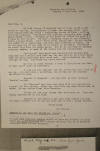
[The letter is
transcribed in full immediately below.]
|
|
|
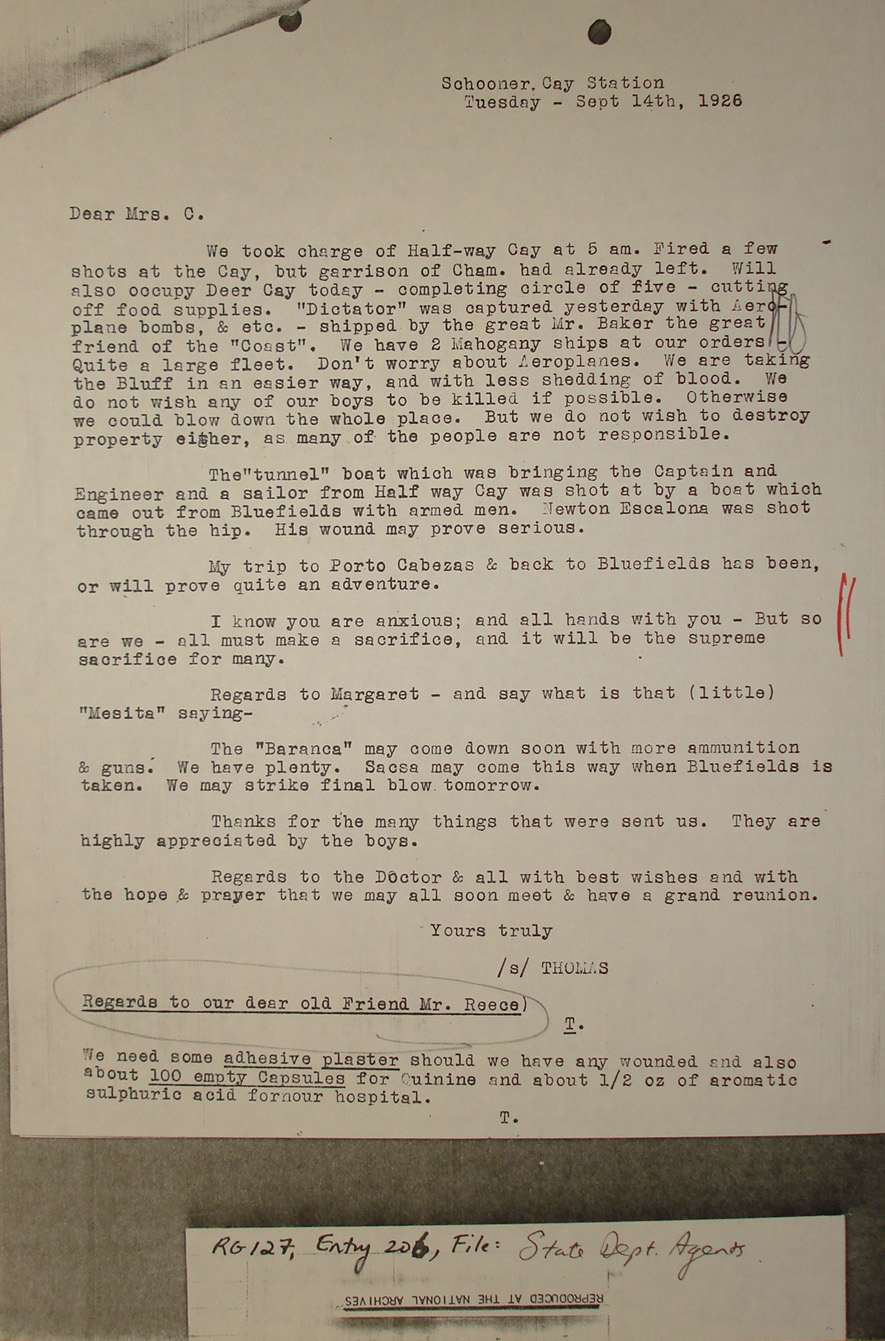
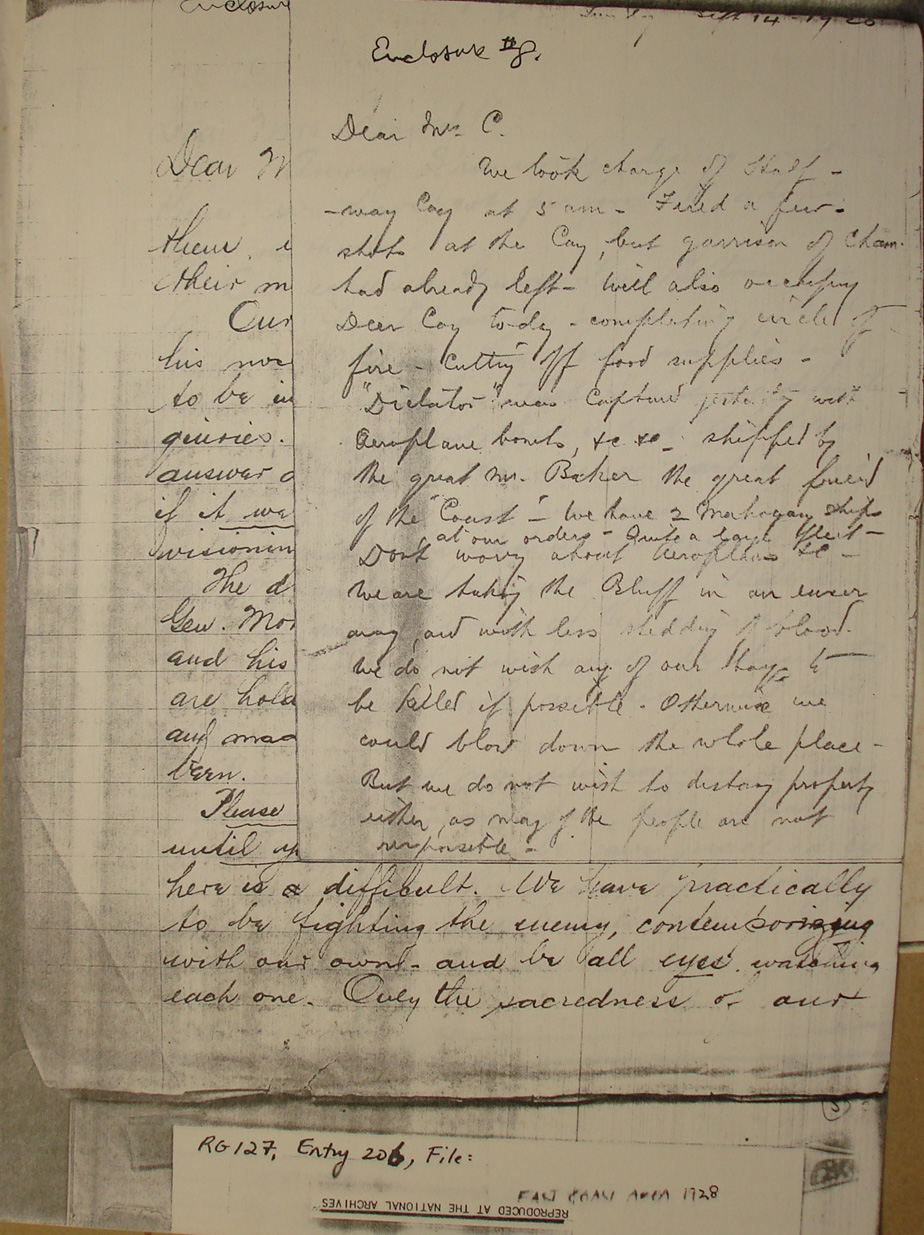
14 September 1926.
Letter from J.
Oliver Thomas, Schooner, Cay
Station, to Mrs. Anna Crowdell,
Bluefields (transcription of original,
part of Anna Crowdell Papers).
[NOTE:
This is a State Dept transcription of J.
Oliver Thomas's letter.]
"Dear Mrs. C. ¶ We took charge of
Half-way Cay at 5 am. Fired a few shots
at the Cay, but garrison of Cham.
[Chamorro] had already left. Will also
occupy Deer Cay today – completing
circle of five – cutting off food
supplies. “Dictator” was captured
yesterday with Aeroplane bombs, & etc. –
shipped by the great Mr. Baker the great
friend of the “Coast”. We have 2
Mahogany ships at our orders – Quite a
large fleet. Don’t worry about
Aeroplanes. We are taking the Bluff in
an easier way, and with less shedding of
blood. We do not wish any of our boys to
be killed if possible. Otherwise we
could blow down the whole place. But we
do not wish to destroy property either,
as many of the people are not
responsible. ¶ The “tunnel” boat which
was bringing the Captain and Engineer
and a sailor from Half-way Cay was shot
at by a boat which came out from
Bluefields with armed men. Newton
Escalona was shot through the hip. His
wound may prove serious. ¶ My trip to
Puerto Cabezas and back to Bluefields
has been, or will prove quite an
adventure. ¶ I know you are anxious; and
all hands with you – But so are we – all
must make a sacrifice, and it will be
the supreme sacrifice for many. 
Regards to Margaret – and say what is
that (little) “Mesita” saying- ¶ The
“Baranca” may come down soon with more
ammunition & guns. We have plenty.
Sacasa may come this way when Bluefields
is taken. We may strike final blow
tomorrow. ¶ Thanks for the many things
that were sent us. They are highly
appreciated by the boys. ¶ Regards to
the Doctor & all with best wishes and
with the hope & prayer that we may all
soon meet & have a grand reunion. 
Yours truly ¶ /s/ THOMAS ¶ Regards to
our dear old Friend Mr. Reece ¶ We need
some adhesive plaster should we have any
wounded and also about 100 empty
Capsules for Quinine and about ½ oz of
aromatic sulfuric acid for our
hospital."
|
|
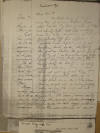
|
14 September 1926.
Letter from J.
Oliver Thomas, Schooner, Cay
Station, to Mrs. Anna Crowdell,
Bluefields (p. 1 of photocopy of
original; remaining pages of original
missing, part of Anna Crowdell Papers).
[transcribed in
full immediately above]
|
|
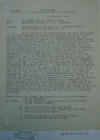
|
1.
15 September 1926.
Report on Disappearance of the power
boat VENCEDOR owned by Mr. Leon Frank on
13 Sept. 1926, from
W. N. Richardson,
Jr., Commanding Officer,
Bluefields, to Commanding Officer, USS
Galveston, Bluefields, p. 1.
"1. On the
morning of 13 September 1926, Mr. Leon
Frank called on the Force Commander and
stated that he desired to place his
power schooner, the SANTA RITA on his
ways at Handsacks point, for the purpose
of making certain repairs, the SANTA
RITA being under British registry. The
Force Commander ordered that a guard be
place on the SANTA RITA to accompany it
to Handsacks point and remain on board
until the SANTA RITA was hauled up on
ways, after which boat was to be left
there, the patrol of #9 post looking out
for her. Unknown to the Force Commander,
the power boat VINCEDOR was used by Mr.
Frank to tow the SANTA RITA to Handsack
point, but guard on SANTA RITA
(McCaffery, W., Sea. Lc USN) remained on
SANTA RITA until same was hauled up on
ways. The VINCEDOR then anchored close
to ways. The VINCEDOR had no authority
to move from Mr. Frank’s dock at
Handsack’s Point. The patrol on #9 post,
on the 12 to 4 p.m. watch, (Pentzien,
E.M., sealc USN), reported he saw the
boat anchored close to the ways at
Handsacks Point about 3.30p.m. A short
while afterwards Pentzien was relieved
by Swaney, W.P. sealc, USN, who on his
first tour of the Point failed to find
the VINCEDOR anchored, but as the boat’s
presence had not been reported to him he
failed to make any report of its
absence. About 8p.m., the Force
Commander heard rumors that the VINCEDOR
had been captured by Liberals up the
Escondido River. A thorough search of
the docks was immediately made and boat
in question could not be located. The
Force Commander then forwarded to Mr.
Frank a written memorandum requesting
Mr. Frank to inform him of the
whereabouts of his gasoline boat, the
VINCEDOR. Mr. Frank replied that if the
boat was not at his dock or at his ways,
he did not know of its whereabouts.
About 8.30 a.m., 14 September 1926, the
Force Commander sent for Mr. Frank and
questioned him regarding the VINCEDOR as
follows: ¶ Force Comdr. - Mr. Frank,
what have you to say about the absence
of the VINCEDOR? ¶ Mr. Frank - I have
nothing to say, Commander, I have
protested to the American Consul. ¶ Q.
Have you any control over your boats? 
A. Yes, during the day, but I cannot
tell what they are doing during the
night. ¶ Q. Why do you leave her at
Handsacks Point? ¶ A. I did not know she
was left there. . . . "
|
|
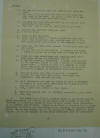
|
2.
15 September 1926.
Report on Disappearance of the power
boat VENCEDOR owned by Mr. Leon Frank on
13 Sept. 1926, from
W. N. Richardson,
Jr., Commanding Officer,
Bluefields, to Commanding Officer, USS
Galveston, Bluefields, p. 2.
" . . . ¶ Q.
You say you did not know the crew did
not bring her back? ¶ A. No, sir. I did
not know the crew did not bring the boat
back to the dock. The first I heard of
it was when I received your note last
night. ¶ Q. You knew the boat left the
dock and you did not have permission to
move her? ¶ A. Yes, but I had to tow the
SANTA RITA to the ways. ¶ Q. Why did the
crew not bring her back? ¶ A. I did not
know. ¶ Q. Where is the crew now? ¶ A.
Right here in town. I heard a report in
town last night that Chamorrists were
running away in the boat and immediately
made protect to the American Consul. 
Q. Could not the SANTA RITA proceed to
the ways under her own power? ¶ A. No,
she was out of commission. A coupling
was loose. I tried to repair her at the
dock but could not do so. ¶ Q. Still you
come around here and complain about your
boat being stolen by Chamorrista people?
¶ A. I did not complain, Commander. I
simply made protest to the American
Consul in case a change of government
takes place. I wished to make this
protest in order that I can prove my
assertions in regard to my claim in case
of a change of government does take
place. ¶ Q. How is it that your crew is
so hard to locate? ¶ A. I think you can
find them around here right now,
Commander. They are all in town. ¶ Q. As
I understand you gave no orders to crew
of VENCEDOR to remain at ways until
SANTA RITA was finished and to tow her
back to the docks? ¶ A. Yes, I have them
orders to stay there. ¶ Q. Then you
assumed that the VENCEDOR returned to
your dock? ¶ A. Yes, sir. ¶ 2. The
Commander Officer, Landing Force is
convinced that Mr. Frank engineered the
removal of the SANTA RITA in order to
get the VENCEDOR to a position where it
could be more easily taken possession of
by Liberal sympathizers. There is no
doubt in the mind of the Force Commander
concerning the activities of Mr. Frank
in the present revolution. He is
undoubtedly one of the principal Liberal
Agents at Bluefields. It is the opinion
of the Force Commander that the
activities . . . "
|
|
|
3.
15 September 1926.
Report on Disappearance of the power
boat VENCEDOR owned by Mr. Leon Frank on
13 Sept. 1926, from
W. N. Richardson,
Jr., Commanding Officer,
Bluefields, to Commanding Officer, USS
Galveston, Bluefields, p. 3.
" . . . of
Mr. Frank do more than anything else to
endanger the lives and property of
Americans and other foreigners in
Bluefields. Numbers of reputable
American citizens and other foreigners
at Bluefields have informed the Force
Commander that they know and have seen
papers that would prove that Mr. Frank
takes an active part in the Nicaraguan
revolution on the side of the Liberal
party. But each one of these informers
have insisted that I do not bring their
names out in connection with Mr. Frank
and openly admitted that they are in
fear of what he may do to them and their
business in case the Liberal party comes
in power. ¶ 3. Mr. Frank is either
married to or living with a native woman
and from all accounts is a very
disreputable citizen. The Force
Commander recommends that steps be taken
to have cancelled the citizenship of Mr.
Leon Frank. The Force Commander has
heard and believes to be true that the
only reason Mr. Frank has not been
deported as an undesirable alien by the
present government is that the Chamorro
government does not desire to do
anything that might prejudice their case
with the United States Government. ¶ 4.
As the VENCEDOR was taken without
permission of the American Forces, while
they were exercising police control of
the city, the Force Commander decided to
recover boat. To this end, about 9a.m.
14 September 1926, Lieutenant McGee with
machine gun squad was sent out in #2
motor launch to Schooner Cay, where
Force Commander had heard the VENCEDOR
was moored. It was found that motor
launch could not cross the bar to
Schooner Cay and the force returned to
Bluefields. Lieutenant McGee and his men
were then placed in a flat bottom boat
belonging to the Cuyamel Fruit Company
and flying the American flag and sent
out again to Schooner City, returning a
short while afterwards with the
VENCEDOR, which was moored to dock in
rear of headquarters. Lieutenant McGee’s
report on this subject, is attached
hereto, together with letter of Mr. Leon
Frank to American Consul, and the
latter’s communication to the Force
Commander in reference to the VENCEDOR.
¶ /s/ W.N. RICHARDSON JR."
|
|
|
20 September 1926. (2:00 PM)
Telegram from US Consul A. J. McConnico,
Bluefields, to the Secretary of State,
Washington D.C.
"Representatives
of the Mahogany Companies at Bluefields
request that the following be repeated
to their respective companies mentioned
in the telegram of September 6, 7 P.M. 
“We have failed completely to obtain
protection for shipment of logs now
ready after repeated attempts and the
situation is becoming more ruinous for
our interests. Teredo endangering logs.
Impossible to obtain labor to roll logs
out water. Enormous losses sure unless
relief obtained immediately."
|
|
|
5 October 1926.
Declaration of
Stephen Milon, Bluefields, p. 1.
"I, STEPHEN
MILON, an American citizen, a native of
Pointe-a-la-Hache. Parish of Plaquemine,
State of Louisiana, United States of
America, 54 years of age, declare an
oath: ¶ That I have been employed for a
number of years by American banana
companies at Rama, Nicaragua, my work
being principally on boats and tugs
belonging to the companies; ¶ That on
May 20, 1926, when the Chamorro troops
entered Rama and took possession after
repulsing the Liberal forces, I was
required and compelled by General
Viquez, in command of the Chamorro
troops, to take charge a boat belonging
to the company for which I worked and
convey his troops from Rama to
Chalmette, a distance of twelve miles; 
That I complied with his command because
I could not offer any resistance, for I
had no means of defending myself while
he, the General, and his officers had
revolvers when they commanded me to
captain the boat; however, I told him I
was an American and did not wish to have
anything to do with either of the
contending factions; ¶ That as we
approached Chalmette, the Liberal forces
fired upon us, and I was wounded in my
right leg and as a consequence was
incapacitated for 40 days; and while
wounded I was robbed by some of the
soldiers of $52.00 which I had in my
pocket. ¶ That my other loses incident
to my illness amounted to $200.000. I
therefore claim that the Nicaraguan
Government owes me the sum of $252.00. 
(Signed) S. MILON. ¶ American Consulate
¶ Bluefields, Nicaragua . . ."
|
|
|
5 October 1926.
Declaration of
Stephen Milon, Bluefields, p. 2.
"Articles of Stephen Milon, American,
taken by Chamorro troops, on or about
October 5, 1926, when his house was
looted: ¶ 1 Folding Cot … $8.00 ¶ 1
Blanket … 5.00 ¶ 1 Pillow … .75 ¶ 1 Wash
Tub … 2.00 ¶ 1 Wash Basin … 1.00 ¶ 1 Box
Blacksmith’s Tools … 10.00 ¶ 1 New Broom
… 1.50 ¶ 1 Water Bucket … .75 ¶ 1 Box
Medicine … 5.00 ¶ 1 Table Lamp … 4.00 
½ Dozen Drinking Glasses … 1.20 ¶ 1
Water Pitcher … 4.00 ¶ 2 Butcher Knives
…1.10 ¶ _______ ¶ $44.30 ¶ (Signed)
STEPHEN MILON. ¶ American Consulate, 
Bluefields, Nicaragua. ¶ I, A.J.
McConnico, Consul of the United States
of America at Bluefields, Nicaragua, do
hereby certify that the foregoing claims
amounting to $296.30 are true and
correct copies of the originals filed at
this Consulate on October 5, 1926; that
on November 17, 1926, three copies were
forwarded to the Department of State,
Washington D.C.; and that on November
18, 1926, a copy was sent to the
American Minister at Managua, Nicaragua.
. . ."
|
|
|
7 October 1926.
Letter from Julia
E. Thomas, Bluefields, to US
Consul A. J. McConnico, Bluefields, p.
1.
"Sir: ¶ We beg to
place before you the following facts and
request your kind assistance in placing
same before the Admiral. ¶ Under date of
September 20th, and with the consent of
Commander Richardson of the U.S. Land
Forces, we opened up at the Union Club
of this city a Red Cross Hospital for
the caring of wounded irrespective of
party. This hospital is sustained by
charitable donations. ¶ All wounded were
placed on this Hospital by the consent
of Commander Richardson, and we
understood that after being able to
leave the hospital that they would be
returned to their forces. ¶ Some of
these wounded are now in a condition to
be returned, and on our requesting this
morning that they be given safe conduct
from Commander Richardson he stated to
our Matron, Mrs. Julia Thomas, that he
had never inferred that they be
returned, further stating that he would
send the WHOLE DAM BUNCH TO PRISON. And
in the absence of the Matron or any of
the representatives of the Hospital, he
carried out his threat by turning over
to the Civil Authorities seventeen of
the wounded, many of whom are unfit for
travel. Two of these seventeen now in
jail entered the hospital during the
term of the Armistice. He also stated
that the Hospital was not a Red Cross
Hospital but a “Liberal” one, but was
reminded that wounded Conservatives had
also been treated and cared for ¶ there.
. . ."
|
|
|
7 October 1926.
Letter from Julia
E. Thomas, Bluefields, to US
Consul A. J. McConnico, Bluefields, p.
2.
" . . .
there. He is also aware of the fact that
Doctors J. L. Marchand and C. E. Nelson,
both Americans, are in charge. ¶ The
Commander’s action in having these
wounded taken to prison where they will
not be fed or cared for and his uncouth
reply to the Matron shows his prejudice
against the people of this Coast. He
should therefore, be removed and a
Commander placed here who will treat the
people civilly. We hereby solemnly
protest against the action of Commander
Richardson and request that justice be
done. ¶ Respectfully, ¶ (Signed) Julia
E. Thomas, Matron; ¶ Assistants:
Gertrudis Zamora, Leonor Mena Solorzano,
Emelina Rangel, Rosibel Barrantes, Berta
Rodriguez, Juanita James, Matilde
Sandoval."
|
|
|
8 October 1926.
Letter of protest from
Dr. J. M. Marchand, Bluefields,
to US Consul A. J. McConnico,
Bluefields, p. 1. [NOTE:
Description of Dr. Marchand from the
1932 US Electoral Commission character
sketches of prominent individuals: "Dr.
J. M. Marchand: Liberal; Bluefields.
American citizen. White, height 5'6",
weight 165 lbs, grey hair, blue eyes,
clean shaven. Slender red face.
Physician. Character, fair. Very good
doctor. Drinks to excess and was
discharged by the La Luz and Los Angeles
Mining Company and the Cuyamel Fruit Co.
as the result of his heavy drinking. Was
born in New Orleans, speaks French,
Spanish and English. Has a disagreeable
nature and is unscrupulous. Rendered
much service to the sick and wounded in
the Liberal Army during the late
revolution. Is anti-American. Graduate
of the Medical College of the University
of Pennsylvania." (Sec. Navy Gen.
Corresp., 1925-1940, EF-49, Box 2010).]
"Dear Sir: ¶ I wish
to protest strongly against the attitude
of Commander Richardson of the U.S. Land
Forces towards me as a professional man,
in part charge of the Red Cross Hospital
where both constitutional wounded and
sick soldiers and those of the Chamorro
party have received equally careful
attention. ¶ My purpose in visiting
Commander Richardson on Thursday,
October 7th, was to learn the true
status of convalescent wounded and sick
patients, mostly soldiers of the
constitutional troops, a few so called
prisoners of war and some sick patients
recently turned into the street from the
Charity Hospital by the de facto
government authorities and taken into
the Red Cross Hospital for care and
attention. ¶ Upon giving it as my
opinion that these convalescent if
turned over to the de facto government
authorities, as prisoners of war, would
not receive the care and attention due
them, but would be closely confined, not
be given food to say nothing of medical
care and attention I was accused of
taking sides in the revolution, along
with certain other Americans, and of
dictating to the Commander how he should
“run his business”, I was loudly and
abusively ordered off the premises
occupied by him as his office, yelled at
and refused any of the information
requested - in the presence of
practically his whole command. ¶ His
appearance and conduct were of a man
under the influence of liquor, quite in
contrast with his appearance and 
conduct . . ."
|
|
|
8 October 1926.
Letter of protest from
Dr. J. M.
Marchand, Bluefields, to US
Consul A. J. McConnico, Bluefields, p.
2.
" . . . conduct
during a former interview, when I could
have equally justly been accused of
taking aides. ¶ Upon a former occasion
it had been my privilege to visit the
local jail in charge of the Chamorro
Officials, with, and at the request of,
Dr. Crooks of the United States Forces,
in order to ascertain if any efforts had
been made to mitigate the deplorable
sanitary conditions existing there, and
to hospitalize the sick. ¶ Despite
former promises made to Surgeon Crooks
no such efforts had been made. Surgeon
Crooks previously to this had reported
the true state of the prison of
Commander Richardson but the Commander’s
report to the American Consul, who had
requested the Surgeon’s visit, was
directly opposite to the Surgeon’s
report to him. ¶ These discrepancies can
be verified by an examination of the
filed letter bearing on the case. ¶ The
patently partisan attitude of Commander
Richardson upon the occasion of my
second interview with him, with his
distortion of facts, regarding the true
state of the political prisoners as set
forth in his letter to the American
Consul, would seem to indicate, without
any question of alcoholism catering into
the case, that he is not the man for the
responsible position he is now holding.
¶ Very truly yours, ¶ (Signed) JNO. J.
MARCHAND, M. D."
|
|
|
11 October 1926.
Report by
Stabler, USDS, Washington D.C.,
to the Secretary of State, Washington
D.C., p. 1.
"Conversation. October 11, 1926. 
Mr. Frank G. Otis ¶ President, Otis
Manufacturing Company ¶ Situation in
Nicaragua ¶ Mr. Frank G. Otis called to
see Mr. Stabler on the 11th and spoke
about the mahogany situation on the east
coast and desired to know, in the case
the armistice came to an end, whether
the Bluff would still be neutralized.
Mr. Stabler replied that it was
difficult to answer this question
absolutely but that it was hoped that
the armistice would continue and that
there would be no resumption of
hostilities; that the matter of
extending the neutral zone would most
certainly be discussed with the leaders
by Admiral Latimer in the event that
hostilities were broken. Mr. Otis
apparently seemed to feel that the
situation was very much better on the
east coast and that the mahogany
companies would be able to move their
logs. His only apprehension seemed to be
in regard to making contracts for next
year. On this matter Mr. Stabler said
that it was certainly such a
hypothetical question that no one would
be in a position to give him advice and
that they themselves should be in closer
touch with conditions than any one else
having their men on the spot. He however
said that he trusted that the conference
to be held in Corinto would result in
stabilizing conditions ¶ in . . . "
|
|
|
11 October 1926.
Report by
Stabler, USDS, Washington D.C.,
to the Secretary of State, Washington
D.C., p. 2.
" . . . in Nicaragua so that there would
be no more hostilities and that the
various industries could proceed without
fear of difficulty. ¶ Stabler"
|
|
|
17 October 1926.
Letter from J.
Oliver Thomas, Rio Grande, to
Mrs. Anna Crowdell, Bluefields
(transcription, part of Anna Crowdell
Papers).
"Mrs. A. 
Moncada arrived from “Rochester” last
night. States that the whole coast will
be neutral zone. M. is only a tool in
the hands of the Yankees. They dictate
terms to him so that American business
may go on as usual. Here is the
position. The American Government does
not recognize the Chamorro Government
yet permits the latter to have a Civil
Government in Bluefields – which would
deny the Creoles returning to their
homes. It prates about Constitutional
Government yet only half heartedly
permits the latter government to
exercise government over only a part of
the coast from Pearl Lagoon northwards.
We refuse absolutely to be pushed out
and to be put aside attempting to force
us to go out of the limits of the Coast
(to the Interior) to fight other peoples
battles. We should be permitted to
return to our homes and the whole coast
declared neutral to us for we have not
taken up arms against any Constitutional
Government. We ask you to protest to the
British & American Consul (both). We
joined in the fight for the protection
of our homes & for the return of a
Constitutional Government on the Coast,
as we can only expect justice and ask it
of a recognized & Constitutional
Government. ¶ We are just as far from
home as before if an unconstitutional
government is permitted to be in
Bluefields. Protest, it is the only
weapon we have. Everything has been done
without our advice, and we protest. We
are Costeños & expect our rights form
either Conservatives or Liberals or
whoever may be ruling. ¶ We know very
little of what is going on, but we know
that they are expecting us to go on to
the Interior, but there will be the
trouble. We are determined not to budge
from the Coast. The Coast is greater in
need to our protection and assistance
than is the Interior of our help &
assistance. Bertrand Sandoval returned
from Guatemala yesterday morning. You
will hear from my wife. ¶ Expect to hear
from you. Kindest regards. ¶ T."
|
|
|
25 October 1926.
Letter from
Samuel Weil, Bluefields, to US
Consul A. J. McConnico, Bluefields, p.
1.
"COPY 
Bluefields, Nicaragua, October 25, 1926.
¶ Hon. A. J. McConnico, ¶ American
Consul, ¶ Bluefields, Nicaragua. ¶ Dear
Sir: ¶ On the 13th instant at about five
o’clock in the afternoon in front of the
Moravian Church, directly next to the
Barracks, where the U.S.S GALVESTON’S
landing forces are located, I passed
Lieutenant McGee, S.H. Baker of the
Baker Banana Company, and Arnoldo
Calonje, a Nicaraguan, locked arms,
drunk. Several times I have seen guards
drunk, and led staggering to the
barracks. On one occasion two were in
that condition with their guns. The
Officers are always at the Tropical Club
barroom drinking. Many comments
regarding this are being made by
foreigners and natives, to the effect
that the actions of the Naval Officers
are a disgrace to the United States. 
On the 10th or 11th instant I addressed
Commander Richardson relative to a dory
(skiff) that had been stolen from my
wharf, as I learned it was seen about a
mile below the town in front of a
plantation. Lieut. McGee came to see me,
with the letter, saying Commander
Richardson had sent him. He wanted to
know why I did not send down to get it,
and if its delivery was refused, they
would take it up. I replied if it was a
Nicaraguan who has stolen the Dory, we
would probably abuse the native I could
send, and a killing might occur. He
doubted this, and I replied, “having
lived here over thirty-nine years, I
know the character of the people”. He
said “They haven’t killed you yet.” I
said “No, I have taken good care of
myself”. He asked “What ¶ would you . .
. "
|
|
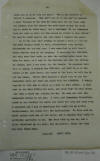
|
25 October 1926.
Letter from
Samuel Weil, Bluefields, to US
Consul A. J. McConnico, Bluefields, p.
2.
" . . .
would you do if we were not here”. “Go
to the Director of Police” I answered.
“Why don’t you go to him now” he
replied. I said “because by the time he
would send for the Dory, some one
present when the request was made would
notify the party and it would be taken
away,” but I continued, “If the
Commander does not wish to send, let him
answer my letter to that effect.” He
said he would report, and when would I
require the guard. ¶ As it was late that
evening to secure a boat, I told him the
next morning would be best, nevertheless
very shortly afterwards the two men
came, I was compelled to tell them I
would require them in the morning. I
chartered the VENCEDOR, the only boat
that could go into the shallow water
where the dory was seen, so I went to
the Barracks and told the officer in
charge, that I was ready for the Guards.
He answered what boat is going, I
replied the VENCEDOR, and left to go to
the office of Mr. Leon Frank, the owner
of the boat, to tell him to get her
ready. Within five minutes a guard came
to say the Commander would not send any
guard with the VENCEDOR. I simply
replied to tell him to write me a note
to that effect. I then went to the Post
Office for mail, and about half an hour
later, was told a guard was looking for
me. He came and said the Commander
wishes to see you. I went, and Commander
Richardson, asked me how shallow the
water was where the Dory had been seen.
I answered him I had no knowledge but
would ask my native warehouseman, who
could give the information. He then said
he would rather send one of his boats,
and I replied that would be perfectly
agreeable to me. The boat with my man
on, and a pilot furnished by me, went,
but on arrival, found the dory had been
taken away. ¶ (Signed) SAM’L WEIL."
|
|
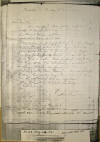
|
18 November 1926.
Letter from J.
Oliver Thomas, Hospital, to Mrs.
Anna Crowdell, Bluefields (photocopy of
original, part of Anna Crowdell Papers).
"Dear Mrs. A: 
How are you? I am feeling sufficiently
better to travel, but I am awaiting some
word from General George, as I have
written him asking just where I may meet
him. ¶ Please inform me if any of the
boys have gone through or come through
Cookra [Cukra] or Pearl Lagoon, and
when. ¶ What I would like you to
purchase for me, if you have any funds
for our benefit, is a rain coat of one
kind or another, brown preferred. I
think the Red Cross Doctor of the Creole
contingent is entitled to something.
Whatever else you may have to send, you
could send when I am leaving. I am not
satisfied to remain here one day longer
than I can help, because I am the only
medical help our boys have. ¶ Please let
me know all particulars today. ¶ With
best wishes. ¶ Yours for success. ¶ /s/
J. Oliver Thomas."
|
|
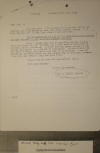
|
18 November 1926.
Letter from J.
Oliver Thomas, Hospital, to Mrs.
Anna Crowdell, Bluefields
(transcription, part of Anna Crowdell
Papers).
[NOTE:
this is a State Department transcription
of the the above letter:] "Dear
Mrs. A: ¶ How are you? I am feeling
sufficiently better to travel, but I am
awaiting some word from General George,
as I have written him asking just where
I may meet him. ¶ Please inform me if
any of the boys have gone through or
come through Cookra [Cukra] or Pearl
Lagoon, and when. ¶ What I would like
you to purchase for me, if you have any
funds for our benefit, is a rain coat of
one kind or another, brown preferred. I
think the Red Cross Doctor of the Creole
contingent is entitled to something.
Whatever else you may have to send, you
could send when I am leaving. I am not
satisfied to remain here one day longer
than I can help, because I am the only
medical help our boys have. ¶ Please let
me know all particulars today. ¶ With
best wishes. ¶ Yours for success. ¶ /s/
J. OLIVER THOMAS."
|
|
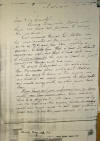
|
1.
29 November 1926.
Letter from
Edward O. Ingram, Rio Grande, to
Mrs. Anna Crowdell, Bluefields, p. 1
(photocopy of original, part of Anna
Crowdell Papers), p. 1.
"Dear Mrs
Crowdell: ¶ Among Spaniards, dealing
with them, we have got, per force, to
adopt their methods. ¶ Our esteemed
General Luis Beltran [Liberal General
Luis Beltrán Sandoval] has his nose
pointed at the funds supposed to be in
H.O. and has been making enquiries. I
told him, that I had no definite answer
as yet, but that I had told you if it
were possible to use a part in
provisioning George and his men. ¶ The
draft I handed in for collection. Gen
Moncada does not want Beltran and his
gang to learn of this reserve we are
holding, as some would be dissipated and
made away with, as other funds have
been. ¶ Please hand out no information
re same until you hear from us. Our
situation here is difficult. We have
practically to be fighting the energy,
contemporizing with our own – and be all
eyes, watching each one. Only the
sacredness of our . . . "
|
|
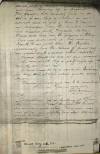
|
2.
29 November 1926.
Letter from
Edward O. Ingram, Rio Grande, to
Mrs. Anna Crowdell, Bluefields, p. 1
(photocopy of original, part of Anna
Crowdell Papers), p. 2.
" . . . cause and
a determined spirit keeps one from
throwing up in disgust. My position here
anyway puts me where I can keep a
lookout on our interests and be able at
times to hand out criticism from the
shoulder. I have had clashes with
Moncada, Beltran, Mena and have had the
pleasure of telling them my sentiments
re their actions. Thanks to our lucky
Star, the Creoles practically hold the
balance of power and our wishes are to a
certain extent respected. ¶ Sacasa
should be here at any moment. ¶ We have
only to keep a stiff upper lip and do
our level best. ¶ I have had to be a
veritable Cerberus to keep and stretch
what funds come to me. ¶ Clarissa is
well and begs to be remembered. ¶ Yours
very truly, ¶ /s/ ED. INGRAM ¶ P.S.
Preparations for a drubbing at P/L soon.
Men have returned from Greytown. All
forces are now being concentrated. Not a
man was lost at San Juan, while they
have about 1000 men between La Junta &
San Carlos. /s/ Ed."
|
|
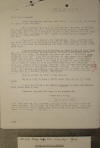
|
3.
29 November 1926.
Letter from
Edward O. Ingram, Rio Grande, to
Mrs. Anna Crowdell, Bluefields, p. 1
(photocopy of original, part of Anna
Crowdell Papers), p. 3. [NOTE:
this is a State Department transcription
of the above two pages, combined into
one page:] "Dear Mrs
Crowdell: ¶ Among Spaniards, dealing
with them, we have got, per force, to
adopt their methods. ¶ Our esteemed
General Luis Beltran [Liberal General
Luis Beltrán Sandoval] has his nose
pointed at the funds supposed to be in
H.O. and has been making enquiries. I
told him, that I had no definite answer
as yet, but that I had told you if it
were possible to use a part in
provisioning George and his men. ¶ The
draft I handed in for collection. Gen
Moncada does not want Beltran and his
gang to learn of this reserve we are
holding, as some would be dissipated and
made away with, as other funds have
been. ¶ Please hand out no information
re same until you hear from us. Our
situation here is difficult. We have
practically to be fighting the energy,
contemporizing with our own – and be all
eyes, watching each one. Only the
sacredness of our cause and a determined
spirit keeps one from throwing up in
disgust. My position here anyway puts me
where I can keep a lookout on our
interests and be able at times to hand
out criticism from the shoulder. I have
had clashes with Moncada, Beltran, Mena
and have had the pleasure of telling
them my sentiments re their actions.
Thanks to our lucky Star, the Creoles
practically hold the balance of power
and our wishes are to a certain extent
respected. ¶ Sacasa should be here at
any moment. ¶ We have only to keep a
stiff upper lip and do our level best. 
I have had to be a veritable Cerberus to
keep and stretch what funds come to me.
¶ Clarissa is well and begs to be
remembered. ¶ Yours very truly, ¶ /s/
ED. INGRAM ¶ P.S. Preparations for a
drubbing at P/L soon. Men have returned
from Greytown. All forces are now being
concentrated. Not a man was lost at San
Juan, while they have about 1000 men
between La Junta & San Carlos. /s/ Ed."
|
|
|
|
|
NEXT
PAGE |
|
|
|
|
|
|
|